
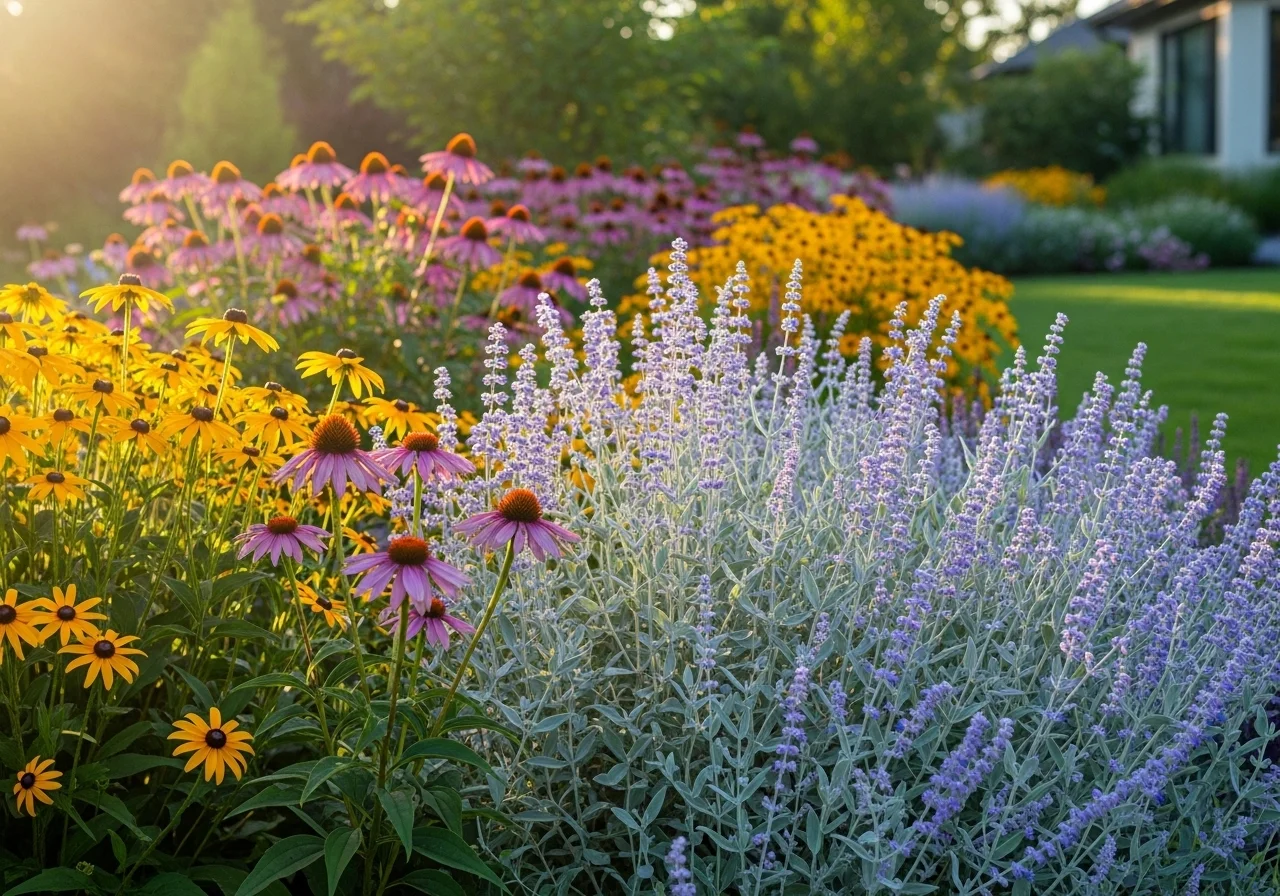
I’ll be honest with you: my first attempt at a full sun perennial garden plan was a total disaster. I planted a bunch of delicate “partial shade” hostas in the middle of my Georgia backyard in July. By August, they looked like crispy potato chips. It was a sad, crunchy lesson in the power of the sun.
But here’s the good news: once I figured out which plants actually crave the heat, my garden transformed from a scorched earth zone into a lush, humming paradise. If you’ve got a spot in your yard that feels like the surface of the sun, don’t fight it. Lean into it. A well-thought-out perennial garden design can turn that “problem area” into the highlight of your home.
Let’s walk through how to build a garden that doesn’t just survive the heat—it lives for it.
What Exactly Is a Full Sun Perennial Garden Plan?
At its simplest, a full sun perennial garden plan is a roadmap for your dirt. It’s a strategy for choosing plants that live for at least three years (perennials) and placing them where they can soak up maximum rays.
Unlike annuals, which are the “one-hit wonders” of the garden world, perennials are your long-term roommates. They come back every year, usually bigger and better. The “plan” part is crucial because it helps you organize heights, colors, and bloom times so you aren’t left with a mess of green and no flowers in July.
How Much Sun Is “Full Sun,” Anyway?
This is where most people get tripped up. When a plant tag says “full sun,” it’s not a suggestion—it’s a requirement.
- The Magic Number: In the USA, “full sun” generally means at least 6 to 8 hours of direct sunlight per day.
- The Intensity Factor: Not all sun is created equal. Six hours of morning sun in Maine is a lot different than six hours of afternoon sun in Arizona. If you’re in the South, your “full sun” plants need to be heat tolerant flowers too, or they’ll wilt by lunchtime.
Pro Tip: Spend a Saturday tracking the light in your yard. Check the spot at 9 AM, 12 PM, 3 PM, and 6 PM. If it’s glowing the whole time, you’re ready for a sunny border garden.
The Best Perennials for Your Full Sun Garden
Choosing the best perennials for full sun is like casting a movie. You need your stars (the showy flowers), your supporting actors (the foliage), and your background extras (the groundcovers).
The Heavy Hitters (My Personal Favorites)
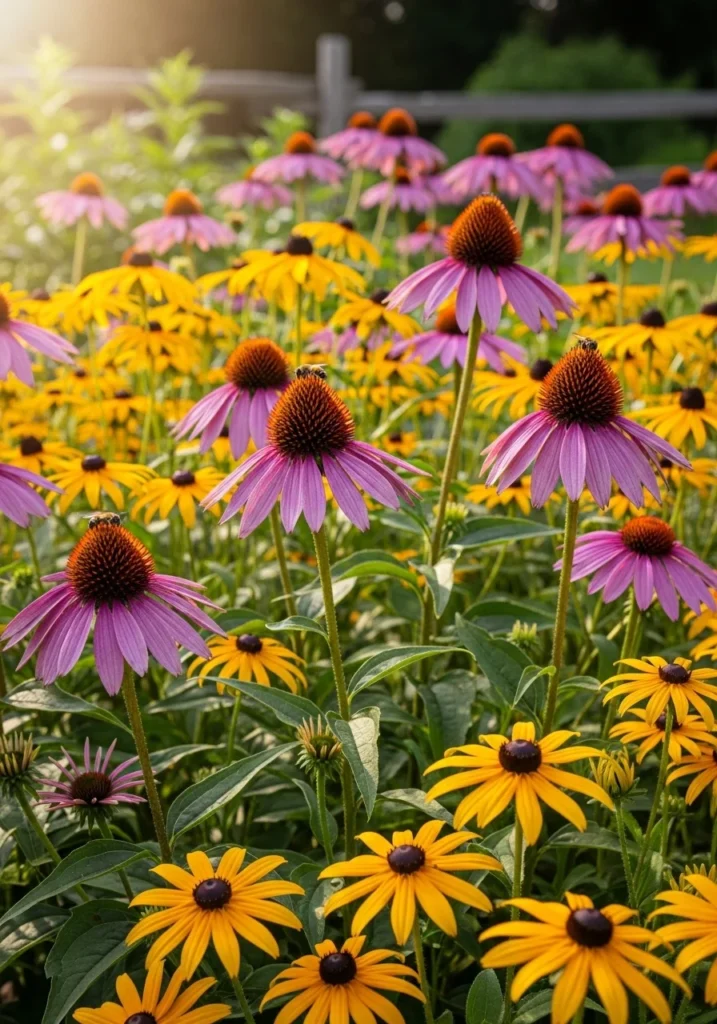
- Coneflowers (Echinacea): These are the MVPs. They are incredibly drought tolerant perennials and come in every color from neon orange to classic purple.
- Black-Eyed Susans (Rudbeckia): They are the “golden girls” of the garden. Tough, reliable, and they bloom forever.
- Lavender: If you want that “Mediterranean villa” vibe, this is it. Plus, it smells like a spa.
- Salvia: These provide those tall, spiky purple vibes that add height to your perennial bed layout.
Designing for Low Maintenance (Because We Have Lives)
I love my garden, but I don’t want to spend every waking second weeding it. A low maintenance perennial garden is all about working smarter, not harder.
- Group by Thirst: Put your low water perennials together. This is called “hydro-zoning.” If you mix a thirsty Rose with a desert-loving Sedum, one of them is going to be miserable.
- Mulch is Your Best Friend: A thick layer of bark or straw keeps the weeds down and the moisture in. It’s the “SPF” for your soil.
- Choose “Clumpers” over “Creepers”: Some plants like to take over the world (I’m looking at you, Mint). Stick to plants that stay in their lane for an easy perennial garden plan.
Table: Top 5 Low-Maintenance Full Sun Perennial Garden Plan
| Plant Name | Why It’s Easy | Bloom Time | Pollinator Magnet? |
| Sedum (Stonecrop) | Practically unkillable; stores water in leaves. | Late Summer/Fall | Yes (Bees love it!) |
| Daylilies | Thrives in “poor soil” and ignores neglect. | Summer | Occasionally |
| Russian Sage | Airy, silvery foliage; doesn’t need pruning. | Mid to Late Summer | Yes |
| Blanket Flower | Heat tolerant and very colorful. | All Summer | Yes |
| Peonies | Can live for 50+ years in the same spot. | Late Spring | Yes |
The Layout: How to Arrange Your Sunny Border
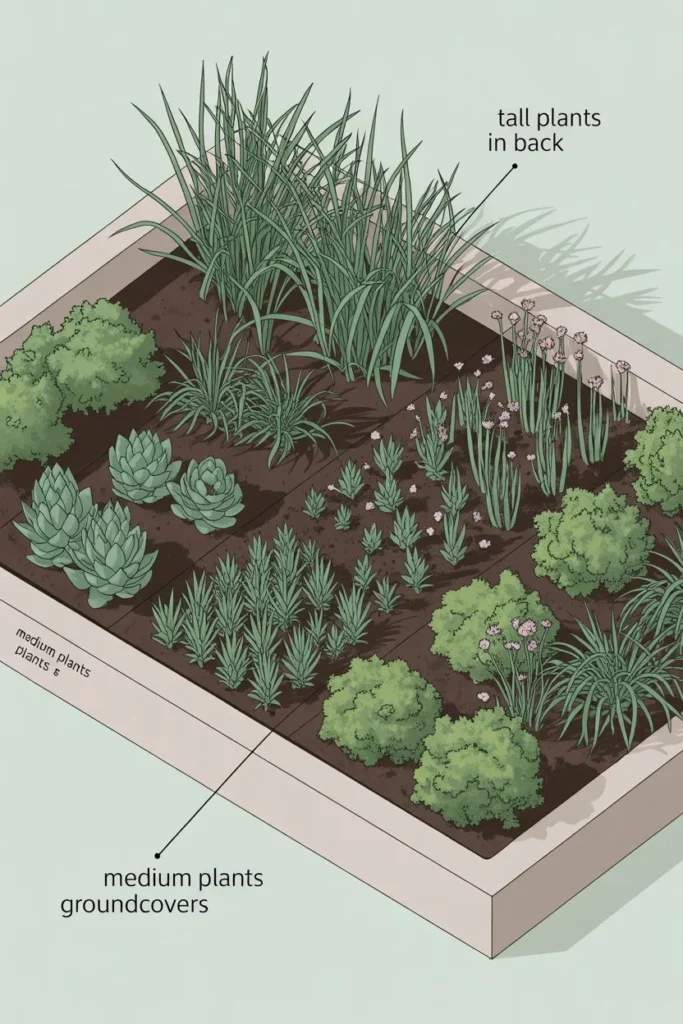
When you’re looking at a perennial border plan, think of a class photo.
- The Tall Kids in the Back: Put things like Ornamental Grasses, Joe Pye Weed, or tall Phlox at the rear.
- The Middle Row: This is where your flowering perennials for sun like Coneflowers and Bee Balm go.
- The Shorties in Front: Use Creeping Thyme or low-growing Sedums to hide the “legs” of the taller plants.
This perennial garden layout ensures every plant gets its moment in the sun (literally) and creates a sense of depth that makes your yard look professionally designed.
Keeping the Party Going: Long Blooming Perennials
One of the most common questions I get is: “How do I keep my garden blooming all summer?” The secret is perennial combinations. You want a relay race of color. When the Peonies finish in June, the Daylilies should be starting. When the Daylilies fade, the Sedum and Asters should be waking up for a fall finale.
Plants that bloom all summer in full sun:
- Coreopsis (Tickseed): Tiny yellow stars that just don’t stop.
- Catmint (Nepeta): A cloud of blue that lasts for months.
- Blanket Flower (Gaillardia): Looks like a sunset on a stem.
The Dirty Details: Soil and Water
You can have the best full sun landscape design in the world, but if your soil sucks, your plants will too.
- What soil is best? Most sun loving perennials want well-draining soil. If your ground is heavy clay (looking at you, North Carolina), add some compost. If it stays soggy, your perennials will get “root rot,” which is as gross as it sounds.
- Can they grow in poor soil? Surprisingly, yes! Many drought tolerant perennials actually prefer “lean” soil. If you give them too much fertilizer, they get floppy and lazy.
- How often to water? When you first plant your perennial planting plan, water every other day. Once they are established (after a year), most only need a deep soak once a week during the heat of summer.
Building the Perfect “Planting Recipe”: Combinations That Work
If we’re looking at this like a food recipe, you can’t just have a bowl of salt. You need balance. In a perennial garden plan, that balance comes from mixing textures and shapes. Think of it as “the crunch” vs. “the sauce.”
I’ve found that the most professional-looking sunny border gardens use a simple 3-step combo:
- The Spiky: Salvia or Speedwell (Veronica). These add vertical energy.
- The Round: Coneflowers or Mums. These act as the focal point.
- The Airy: Ornamental grasses or Baby’s Breath. These soften the edges and catch the wind.
Table: Winning Perennial Combinations for Full Sun
| The “Vibe” | Plant A (The Anchor) | Plant B (The Filler) | Plant C (The Spiller) |
| The Desert Sunset | Purple Coneflower | Orange Blanket Flower | Yellow Sedum (Angelina) |
| The Cool Cottage | Blue Hill Salvia | White Shasta Daisy | Silver Mound Artemisia |
| The Modern Meadow | Little Bluestem Grass | Black-Eyed Susans | Purple Prairie Clover |
Personal Note: One summer, I paired “May Night” Salvia with “Moonbeam” Coreopsis. The dark purple spikes against the buttery yellow flowers looked so good I actually stopped the car in my own driveway just to stare at it. It’s those little wins that make the sweat worth it.
Pro Tips for Long-Term Success
To keep your full sun landscape design looking like a magazine cover and not a weed patch, keep these three tricks in your back pocket:
1. The “Chelsea Chop”
In late May or early June, I like to cut my late-summer bloomers (like Sedum and Asters) back by half. It feels mean, I know. But it keeps them from getting “leggy” and flopping over when they finally bloom. It also delays the flowers so you have color later in the season.
2. Deadheading (The Garden Version of a Haircut)
If you want long blooming perennials, you have to be a little ruthless. When a flower fades, snip it off. This tells the plant, “Hey, don’t make seeds yet—give me more flowers!” Plants like Garden Phlox and Blanket Flower will keep pumping out color all summer if you keep them tidy.
3. Dividing the Wealth
Every three years or so, your perennial garden layout might start looking a bit crowded. Most perennials, like Daylilies and Hostas (in the shade) or Coreopsis, can be dug up and split in half. Boom—free plants for your backyard or to trade with that neighbor who has the cool Irises.
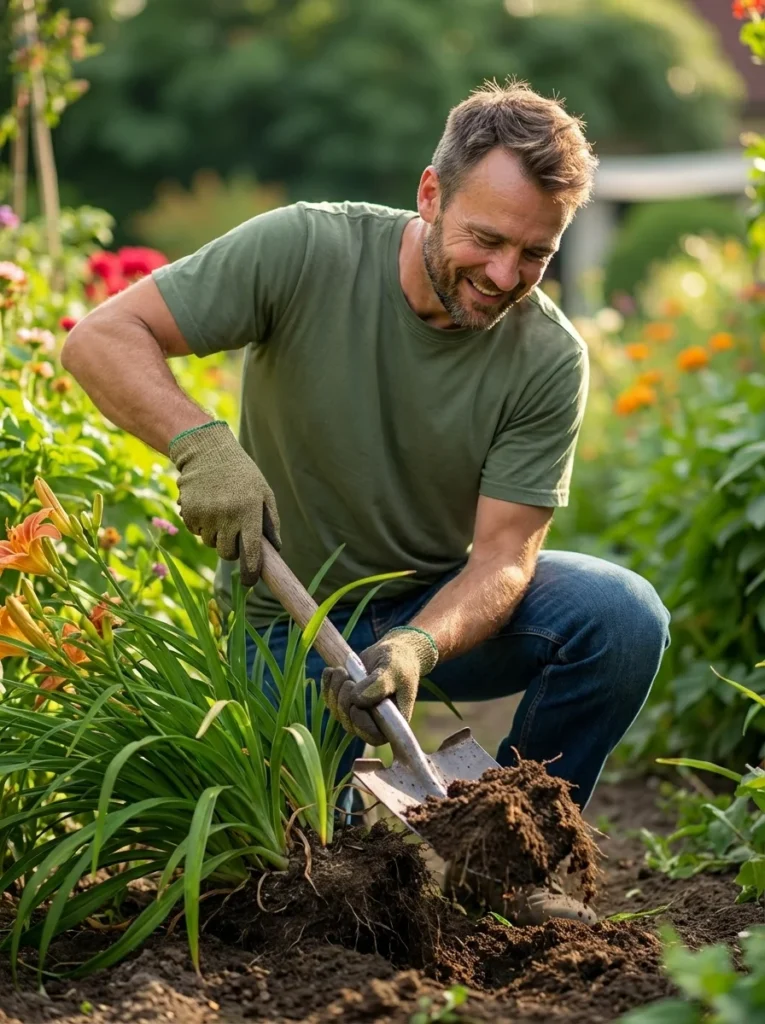
Planning for the “Shoulder Seasons”
A common mistake in an easy perennial garden plan is only thinking about June and July. But what about the “shoulder seasons”—early spring and late autumn?
- Spring Kickoff: While your perennials are still waking up, tuck some allium bulbs or daffodils between them. By the time the bulb leaves turn yellow and ugly, your perennials will have grown tall enough to hide them.
- The Fall Finale: Don’t forget Asters and Joe Pye Weed. When everything else is checking out for the winter, these guys are just getting started. They provide crucial late-season food for migrating Monarch butterflies.
Why This Matters for Your Home
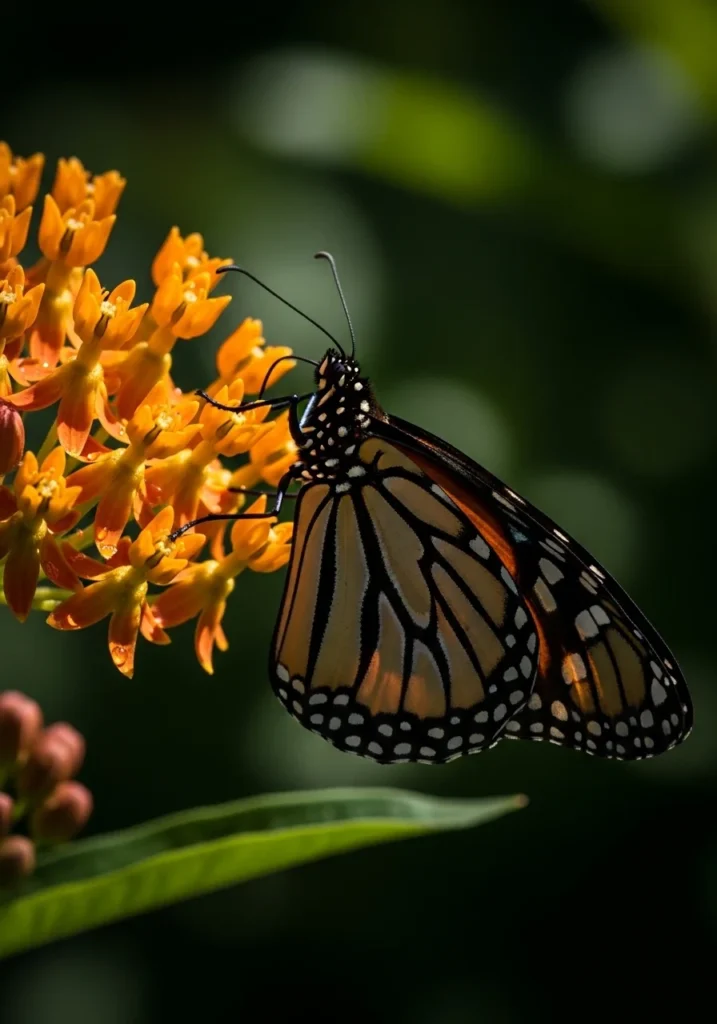
Beyond just looking pretty, a full sun perennial garden plan is an investment in your property’s value and the local ecosystem. By choosing pollinator-friendly plants and drought tolerant perennials, you’re creating a “pit stop” for birds and bees while saving money on your water bill.
It’s about creating a space that feels alive. There’s a certain rhythm to a sunny garden—the way the light hits the grasses at 5:00 PM, the smell of Lavender in the heat, and the satisfaction of knowing you built something that will come back to greet you next year.
Your Action Plan: 3 Steps to Start Today Full Sun Perennial Garden Plan
- Clear the Canvas: Identify a 5×10 foot space in your yard that gets blasted by the sun. Dig out the grass and add two bags of organic compost.
- Pick Your “Big Three”: Go to the nursery and buy three Black-Eyed Susans, three Blue Salvias, and one ornamental grass (like Switchgrass).
- Plant and Soak: Set them out in your perennial bed layout, get them in the dirt, and give them a long, slow drink of water.
Ready to transform your yard?
Creating a garden is a journey, not a destination. Don’t be afraid to move a plant if it looks unhappy, and definitely don’t be afraid to try something new.
Have a question about a specific plant or a weird spot in your yard? Let’s chat in the comments! I’d love to help you get your hands dirty.
Frequently Asked Questions
Which full sun perennials attract pollinators?
If you want butterflies and bees (and you do!), go for Milkweed, Bee Balm (Monarda), and Coneflowers. These are the equivalent of a 5-star buffet for our winged friends.
Are full sun perennial drought tolerant?
Many are, but not all. “Full sun” just means they like light; it doesn’t always mean they can go without water. Always check the tag for the “water droplet” icon.
What are the easiest full sun perennial for beginners?
Start with Daylilies, Sedum, and Sage. They are the “starter pack” of the gardening world—very forgiving of mistakes!
Wrapping It Up: Your Sun-Drenched Oasis Awaits
Planning a full sun perennial garden plan isn’t about perfection; it’s about personality. It’s about walking out with your morning coffee and seeing a goldfinch perched on a coneflower you planted. It’s about that “wow” factor when your neighbors walk by your full sun flower bed.
Remember:
- Check your light (6+ hours!).
- Improve your drainage.
- Plant in layers (Tall to Short).
- Mulch like your life depends on it.
So, are you ready to dig in? Grab a shovel, pick out a few heat tolerant flowers, and let’s turn that scorched patch of grass into something beautiful.
What’s your favorite “sun-worshipper” plant? Drop a comment below and let’s talk shop!
Expert Insights & Sources
- Refer to the USDA Plant Hardiness Zone Map to ensure your perennial choices are right for your specific climate.
- Local university extension offices (like Clemson or Texas A&M) offer incredible, region-specific lists for full sun border plants.
More Resources for Garden Lovers
- Check out the “Native Plant Finder” by the National Wildlife Federation to see which full sun perennials are native to your specific zip code.
- Follow gardening hashtags on Instagram like #PerennialGarden or #FullSunPlants for daily inspo on sunny garden ideas.