
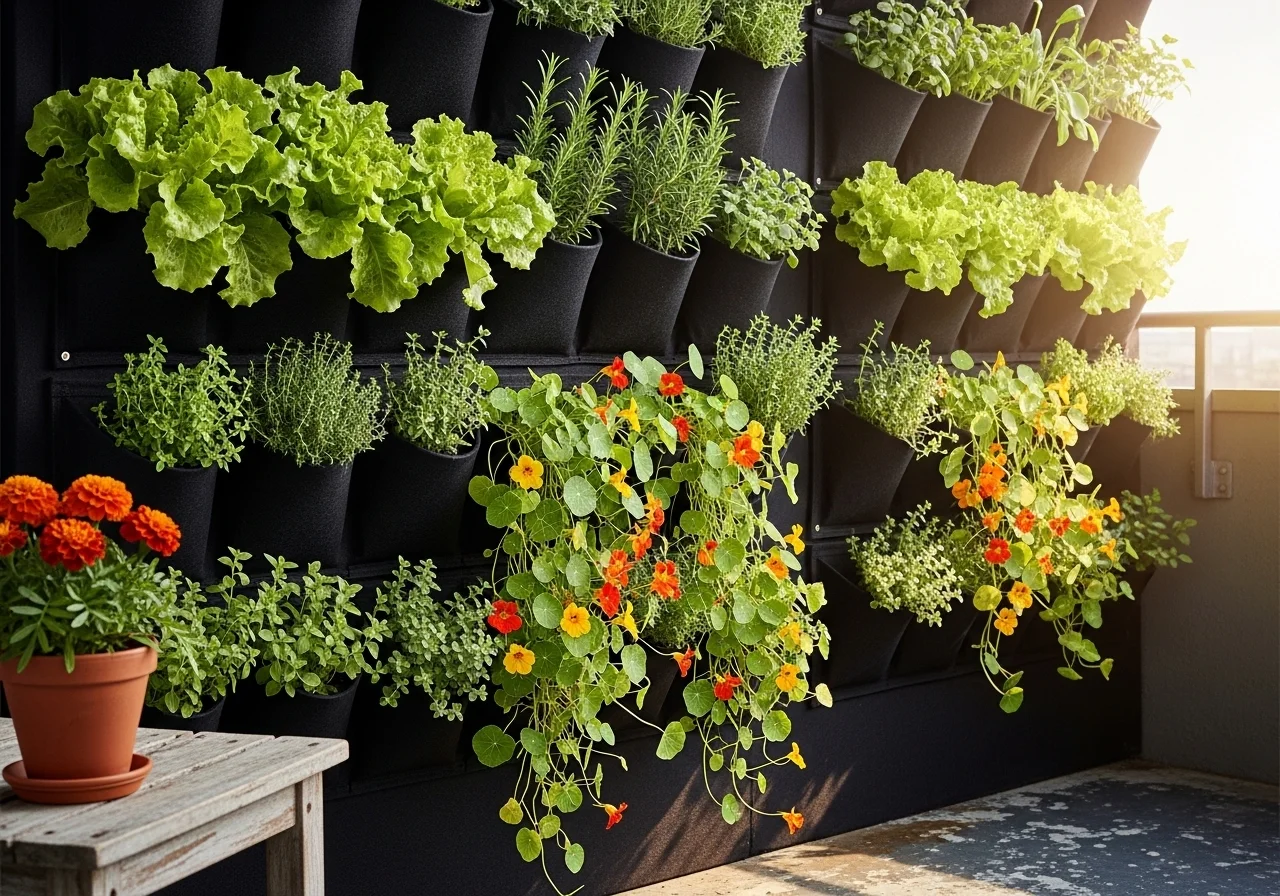
Let me paint you a picture. You’ve got a tiny apartment balcony, maybe a bare fence in the backyard, or a plain kitchen wall that’s been staring you down for months. In fact, You want to grow things — herbs, flowers, maybe some cherry tomatoes — but every time you think about gardening, the same thought hits you: I have zero space. That’s exactly why vertical gardening for beginners has become one of the most searched garden topics in the US, and why it might just change everything for you.
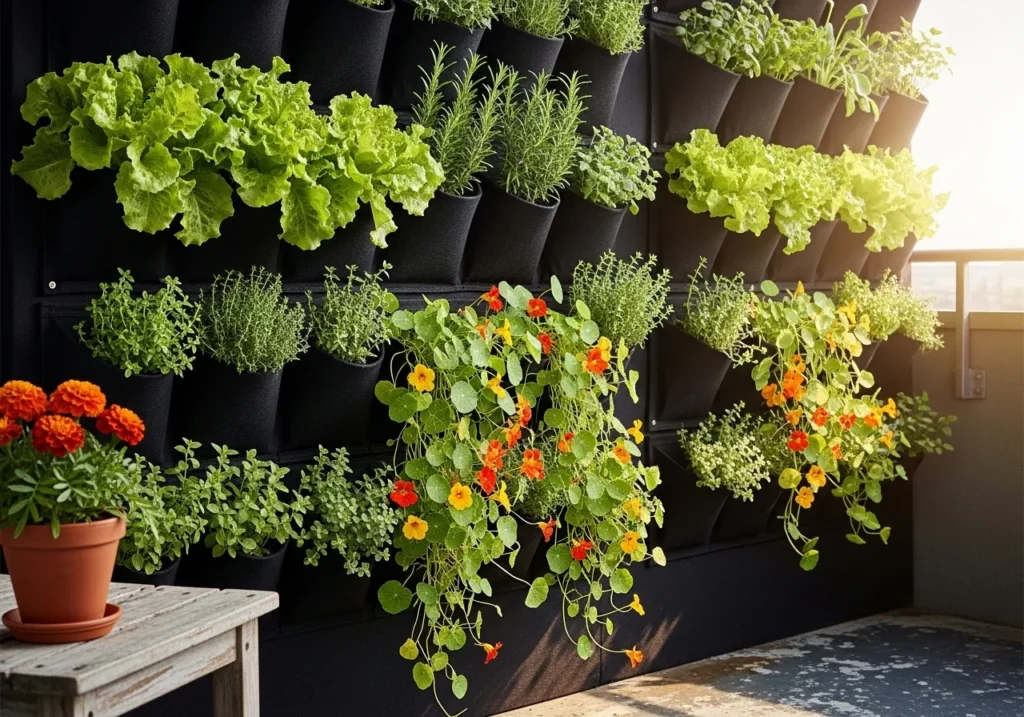
Well, here’s the plot twist: space is overrated. What you actually need is height. Welcome to vertical gardening — one of the smartest, most space-saving garden ideas out there, and honestly, one of the most satisfying projects a beginner can tackle.
In this guide, I’m going to walk you through everything you need to know to get your first vertical garden going, from picking the right structure to watering without making a mess. Let’s grow.
What Is Vertical Gardening for Beginners?
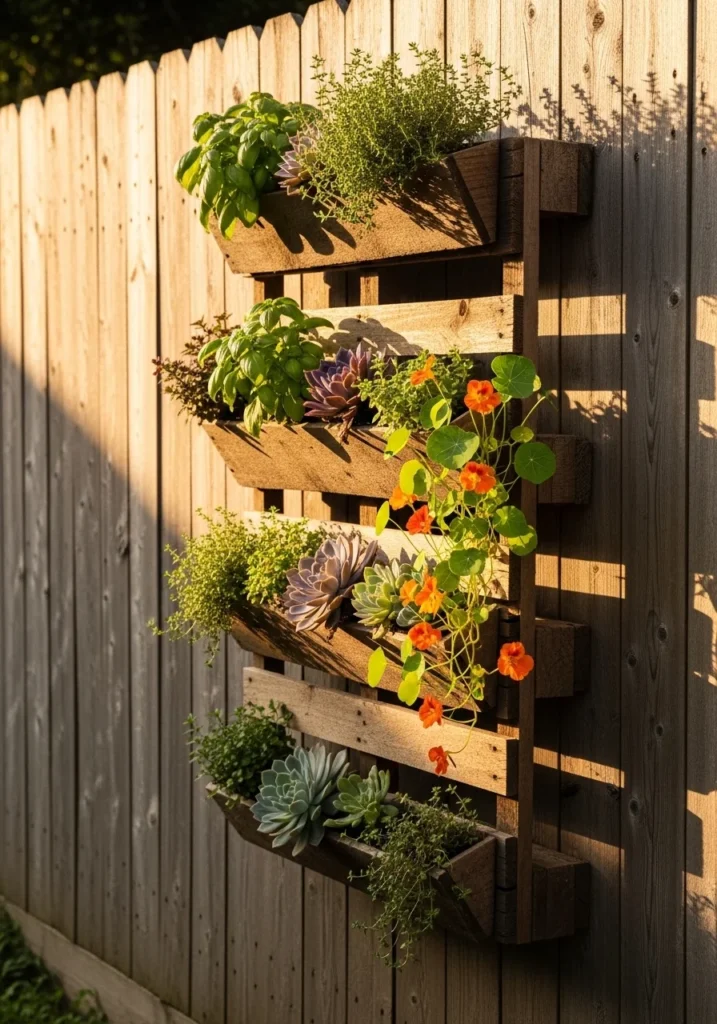
Put simply, a vertical garden is any growing setup where plants are stacked, hung, or trained to grow upward rather than sprawling out across the ground. Think wall-mounted planters, pallet gardens, trellis setups, stacked pocket organizers, hanging planters — the whole gang.
It’s a concept that’s been around for centuries (the Hanging Gardens of Babylon, anyone?) but has gotten a serious modern-day glow-up, especially for urban gardeners in apartments, condos, and homes with compact outdoor spaces. A living wall of herbs or a balcony trellis dripping with green beans? That’s vertical gardening doing what it does best.
“Vertical gardening is just smart geometry — it works with the one dimension most gardeners forget to use.”
Why Beginners Absolutely Love It
Here’s why this style of growing has become a go-to for small space gardening enthusiasts across the US:
- Takes up almost no floor space — a wall planter can hold a dozen herbs in the footprint of a doormat.
- Easier on your back — no bending down to ground level for most setups.
- Looks incredible — a well-designed wall garden is genuinely stunning home décor.
- Pests are more manageable — many ground-level critters simply can’t reach your elevated setup.
- Works indoors AND outdoors — balcony garden, patio setup, kitchen wall, you name it.
Is vertical gardening good for small spaces? Absolutely — it might be the best gardening decision a small-space dweller can make.
Best Vertical Garden Structures for Beginners
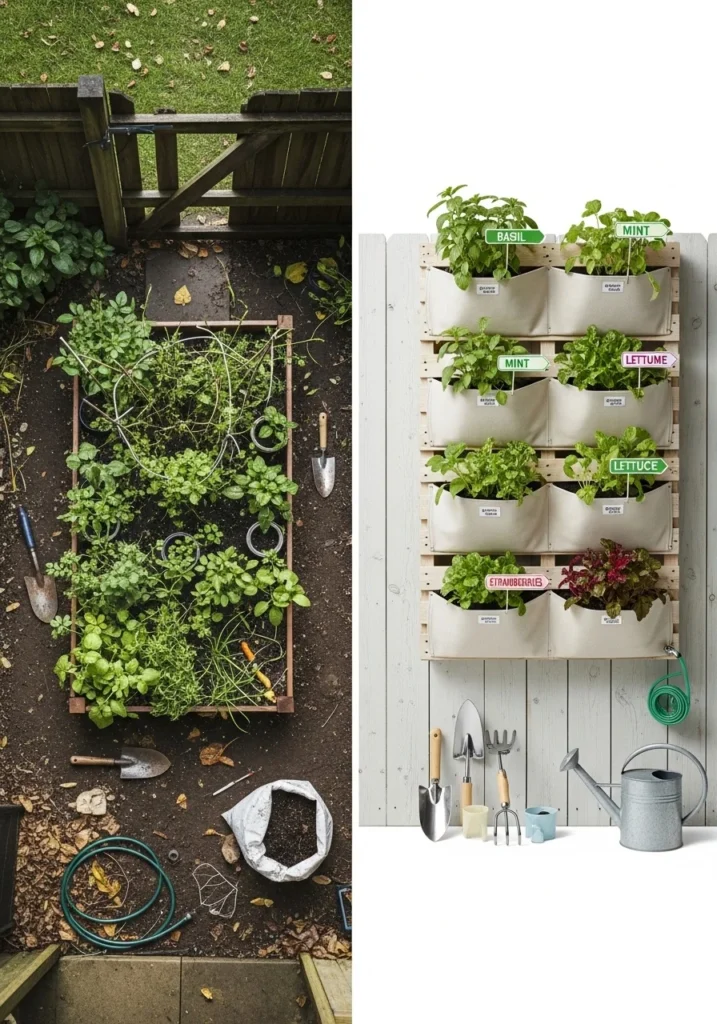
Fortunately, You’ve got options — and the best part is, most of them are either cheap or straight-up free to DIY. Here are the most popular setups for a beginner vertical garden:
| Structure | Best For | Approx. Cost | Difficulty |
|---|---|---|---|
| Pallet garden | Herbs, succulents, flowers | Free – $20 | Easy |
| Pocket/felt organizer | Herbs, strawberries, small greens | $10 – $30 | Very easy |
| Trellis + climbing plants | Cucumbers, beans, roses, peas | $15 – $50 | Easy |
| Stacked planters / towers | Strawberries, lettuce, herbs | $20 – $80 | Easy |
| Wall-mounted frame | Succulents, herbs, flowers | $30 – $150 | Moderate |
| Vertical garden kit | All-in-one beginner setup | $40 – $120 | Very easy |
In particular, I’d recommend a pocket organizer for total beginners Start with a pocket organizer or a repurposed wood pallet. You can get either up and running on a Sunday afternoon with minimal tools and maximum satisfaction.
What Can You Actually Grow? (More Than You’d Think)
Easy vertical garden ideas for total beginners
First and foremost, a vertical herb garden is probably the most practical thing you’ll ever install in your home. Basil, mint, thyme, rosemary, chives, parsley — they all thrive in small pockets or planters, and having them on a kitchen wall means you’re literally snipping ingredients straight into your pan. It’s the kind of convenience that makes you feel genuinely like a person who has their life together.
Vegetables — yes, really
As a result, a vertical vegetable garden isn’t just possible, it’s genuinely productive. Compact and climbing varieties do especially well:
- Cherry tomatoes (with support)
- Pole beans and snap peas (natural climbers — made for trellises)
- Cucumbers and zucchini (train the vines)
- Lettuce and spinach (loose-leaf types are fantastic in pockets)
- Radishes and green onions (small root systems, big returns)
Flowers
A vertical flower garden — nasturtiums, petunias, pansies, sweet potato vine — adds serious visual drama to an outdoor space. Some flowering plants, like nasturtiums, are also edible, which means your wall garden is simultaneously beautiful and useful. Efficient AND gorgeous. That’s the dream.
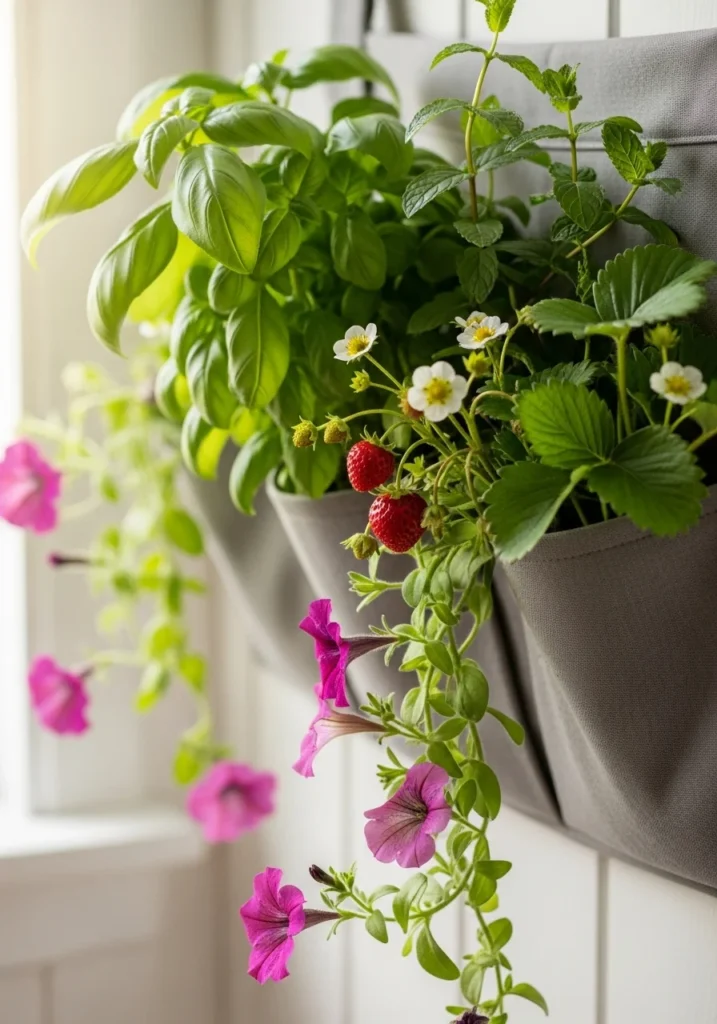
How to Start Vertical Gardening at Home: Step by Step
To get started, here’s how to set up your first vertical garden.
- Pick your spot. South or east-facing walls and fences get the most sun. Most edibles need at least 6 hours of direct light daily. Got a shadier spot? Ferns, pothos, and mint will do just fine.
- Choose your structure. Use the table above as a guide. For a first-timer, a vertical garden kit or pocket planter removes a lot of the guesswork.
- Select the right soil. Standard garden soil is too heavy and compacts badly in vertical containers. Use a lightweight, well-draining potting mix — ideally one with perlite or coco coir mixed in. Additionally, mixing perlite into your soil prevents waterlogging.
- Pick your plants. Start simple — herbs or fast-growing greens like lettuce are incredibly forgiving. You can level up to veggies and climbing plants once you’ve got the hang of the watering rhythm.
- Water thoughtfully. Vertical planters dry out faster than ground beds. Water from the top and let gravity do the work — but check moisture levels in each pocket, since upper planters tend to stay drier. A drip irrigation line is a game-changer if you’ve got more than a few tiers.
- Feed your plants. Vertical gardens need regular fertilizing because nutrients wash out with every watering. A balanced liquid fertilizer every 2–3 weeks during the growing season does wonders. No, they don’t need special fertilizer — just consistent feeding.
How to Keep Plants From Falling Out
This is a real beginner concern, and a fair one! Here’s how to keep everything secure:
- Use fabric or mesh pockets — they grip the root ball naturally.
- For open-frame systems, line with landscape fabric before adding soil to hold it all in place.
- Pack soil firmly (but not too tight — roots need air).
- For larger plants in wall-mounted planters, use zip ties or garden twine to secure stems to the frame.
- Heavier plants like tomatoes should always be grown in sturdier, dedicated planters — not pocket systems.
Indoor vs. Outdoor: Which Setup Is Right for You?
Which vertical garden setup is best indoors?
For indoor use, a wall-mounted felt pocket planter or a tiered hydroponic kit with built-in grow lights is your best bet. Stick to plants with modest light needs — herbs like mint, basil, and chives under a grow light, or low-light lovers like pothos and ferns near a window. Keep a tray underneath to catch drips and your floors will thank you.
What are the best outdoor vertical garden ideas?
Outdoors, your options explode: fence-mounted pocket planters, pallet gardens propped against a shed, trellis systems for climbing vegetables, hanging planter cascades for your patio, or a full living wall on a privacy fence. A patio vertical garden with herbs in summer and pansies in fall? Chef’s kiss.
Vertical Gardening on a Budget: Cheap DIY Ideas
One hundred percent. Vertical gardening on a budget is genuinely easy if you get a little creative. Here are some cheap vertical garden approaches that actually work beautifully:
- Wood pallets — free from hardware stores or Facebook Marketplace. Line them, fill with soil, plant.
- Over-the-door shoe organizers — the fabric kind. Hang on a sunny fence and fill with herbs. Sounds wild, works perfectly.
- Repurposed gutters — mount horizontally on a fence in rows. Great for strawberries and lettuce.
- Stacked terracotta pots — create a tiered tower effect for under $25.
- DIY pipe planters — PVC or bamboo pipes with cut-out planting holes. A classic maker-project that costs next to nothing.
Honestly, some of the most stunning outdoor vertical garden ideas I’ve seen were built for under $40. Even so, the ‘cheap vertical garden’ label undersells what’s possible here.
Sunlight: How Much Does a Vertical Garden Need?
It depends entirely on what you’re growing. Here’s a quick breakdown:
| Plant Type | Sun Needed (Daily) | Best Placement |
|---|---|---|
| Tomatoes, cucumbers, peppers | 6–8 hours full sun | South-facing wall or fence |
| Herbs (basil, rosemary, thyme) | 4–6 hours | South or east-facing |
| Lettuce, spinach, kale | 3–5 hours (tolerates partial shade) | East or west-facing |
| Ferns, pothos, peace lily | Indirect light only | Indoor, away from direct sun |
However, one thing beginners miss is that a north-facing wall will struggle with most edibles. Assess your wall’s light exposure before committing to a structure — it’ll save you a lot of heartbreak.
Frequently Asked Questions
What is the best soil for vertical gardening?
A high-quality, lightweight potting mix is the gold standard. Look for mixes that include perlite for drainage and coco coir for moisture retention. Avoid dense garden soil — it compacts in vertical containers and suffocates roots. Some gardeners add a slow-release granular fertilizer right into the mix at planting time.
Do vertical gardens need special fertilizer?
Nothing exotic — just consistent feeding. A balanced all-purpose liquid fertilizer (10-10-10 NPK ratio) applied every 2–3 weeks during the growing season works well for most plants. For flowering or fruiting plants, switch to a higher-phosphorus formula once they start blooming.
How do you water a vertical garden?
Water slowly from the top, giving moisture time to travel down. Check each tier — upper pockets dry out faster. Stick a finger an inch into the soil: if it’s dry, it’s time to water. A drip irrigation system with a timer is the best long-term investment for any vertical setup with more than two or three tiers.
The Bottom Line
Ultimately, vertical gardening is one of those ideas that sounds complicated until you try it — and then you wonder why you waited so long. It’s forgiving, flexible, and endlessly customizable, whether you’re working with a 6-foot fence or a single sunny wall in a 500-square-foot apartment.
Start small. Pick one structure, choose three or four easy plants (seriously, start with herbs), get your watering rhythm down — and then let it grow from there. Pun absolutely intended.
As a result, The best part? There’s no wrong way to begin. Even a single pocket planter with some basil and mint counts as a vertical garden. And I promise — the first time you snip fresh herbs you grew yourself, you’re going to want a much bigger wall.
Ready to start your vertical garden?
Drop your questions in the comments — what’s your space like, and what do you most want to grow? We’d love to help you plan your first setup.
More You’ll Love:
- Vertical Gardening for Beginners: Your Complete Guide to Growing Up (Literally)
- The Ultimate Full Sun Perennial Garden Plan: Soak Up the Vibes (and the Sun)
- Zinnia garden ideas: why zinnias deserve a spot in every yard
- Cheap Fence Ideas on a Budget: 15 Affordable Options That Actually Look Good (2026)
- How to Replace Your Lawn with a Stunning Edible Landscape (2026 Guide)