
You know that house on the block — the one where you slow down a little when you drive by? The one with the front yard that just looks like someone actually cares? Nine times out of ten, it’s the flower beds doing all the heavy lifting.
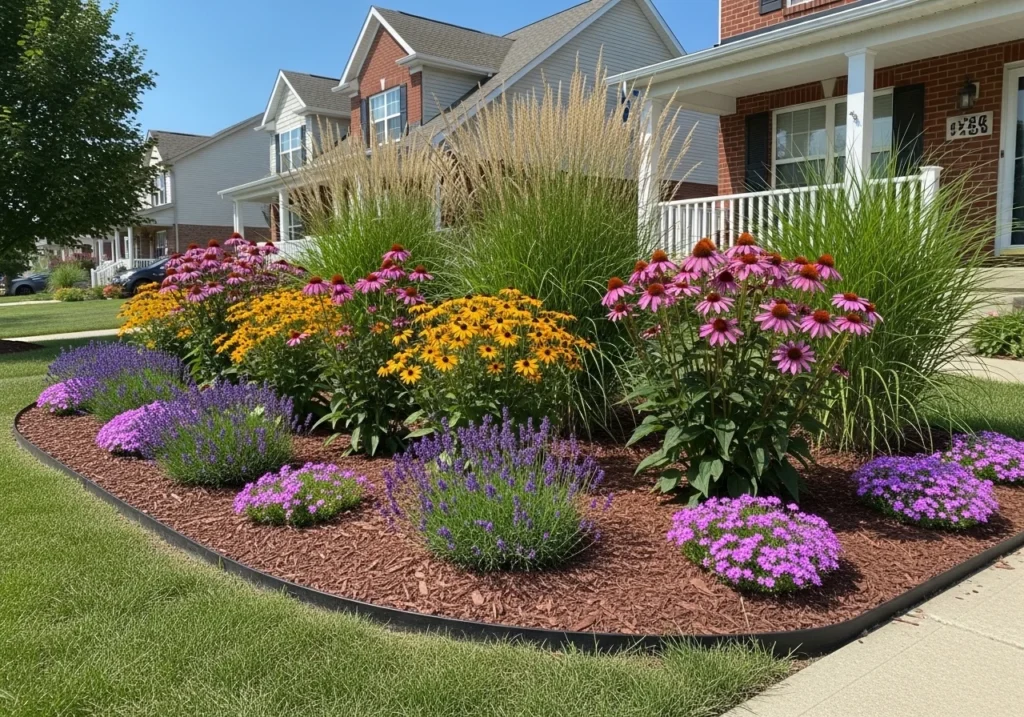
Here’s the thing: you don’t need a landscape architect, a massive budget, or a green thumb blessed by nature itself to get that look. What you do need is a solid plan, a few smart plant choices, and maybe a free Saturday afternoon. I’ve pulled together 15 of the best flower bed ideas for the front of your house — practical, gorgeous, and designed to make your neighbors quietly jealous.
Let’s dig in (pun absolutely intended).
Table of Contents
Why Front Yard Flower Beds Matter More Than You Think
Before we get into the ideas, let’s talk about why this even matters. Curb appeal isn’t just about vanity (though hey, there’s nothing wrong with a little pride in your home). Studies show that well-landscaped homes can increase property value by anywhere from 5 to 15 percent. That’s real money.
More than that, a thoughtfully designed front garden bed sets the tone for your entire home. It’s the handshake before the front door. And frankly, it’s one of the most satisfying and affordable upgrades you can make to your property.
1. Start With a Foundation Planting Plan
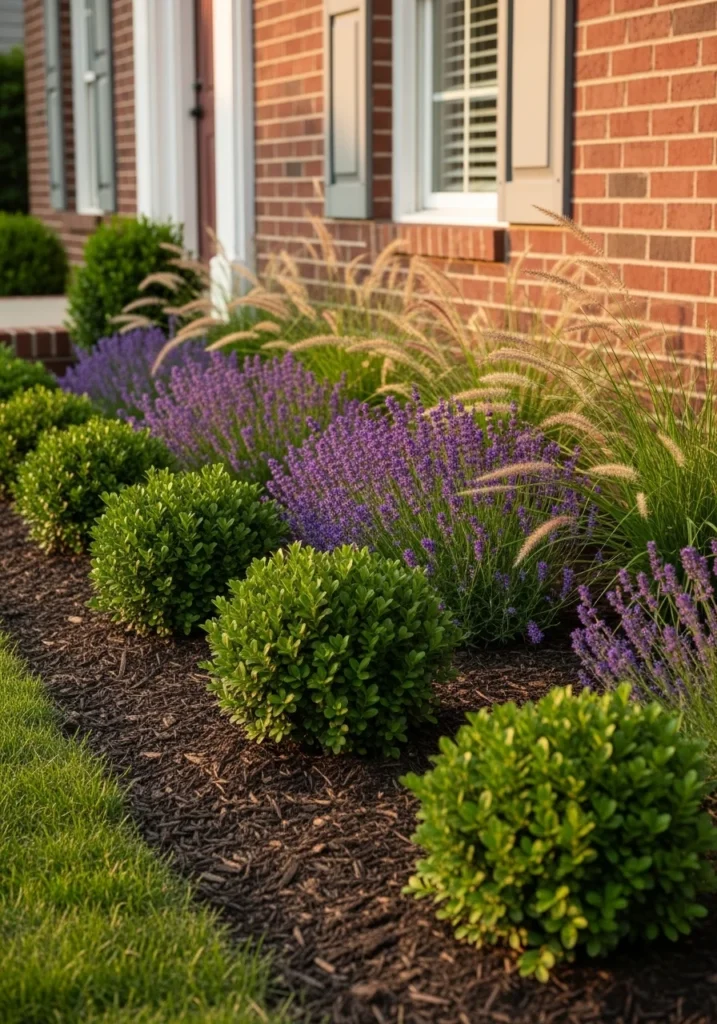
Foundation planting is the practice of placing plants directly along your home’s base — and it’s the backbone of any great front-of-house landscaping. Think of it as framing. Without it, even a beautiful house can look a little naked and disconnected from its yard.
For a classic American home, here’s a simple layered approach that works beautifully:
- Back layer (tallest): Tall shrubs or ornamental grasses — think Little Lime hydrangeas, dwarf burning bush, or Karl Foerster feather reed grass
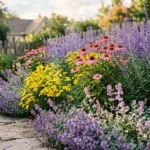
- Middle layer: Mid-height flowering perennials — lavender, black-eyed Susans, salvia, coneflowers
- Front layer (lowest): Ground covers or low annuals — creeping phlox, sweet alyssum, or marigolds
This creates depth, movement, and visual interest at every distance — whether someone’s driving past at 30mph or walking up your front path.
2. Choose the Right Plants for Your Sun Exposure
This is where a lot of people go wrong. You pick beautiful plants at the nursery, put them in the ground, and three weeks later… they’re dead. Or struggling. Or refusing to bloom.
Before you buy a single plant, spend a day observing your front yard. How many hours of direct sun does each section get?
| Sun Exposure | Hours of Sun | Best Plants |
|---|---|---|
| Full Sun | 6+ hours | Coneflower, Black-Eyed Susan, Salvia, Lavender |
| Part Sun / Part Shade | 3–6 hours | Astilbe, Coral Bells, Catmint, Daylily |
| Full Shade | Under 3 hours | Hostas, Ferns, Impatiens, Bleeding Heart |
Match your plants to your conditions — not the other way around — and you’ll be amazed how much easier gardening becomes.
3. Go for Year-Round Interest With the Right Plant Mix
One of the most common mistakes in front yard flower bed design is planting for one season only. Everything blooms beautifully in May, and by August it looks like a sad, overgrown mess.
The fix? Layering bloom times across the season.
- Spring: Tulips, daffodils, creeping phlox
- Summer: Coneflowers, daylilies, salvia, zinnias
- Fall: Ornamental grasses, asters, sedum
- Winter structure: Evergreen shrubs, ornamental kale, decorative grasses
Speaking of summer color — if you’re not already using zinnias, you’re missing out. They’re one of the most cheerful, low-effort flowers you can plant. Check out Zinnia Garden Ideas: Why Zinnias Deserve a Spot in Every Yard for a deep dive into how to use them beautifully.
4. Get the Width Right
How wide should flower beds in front of a house be? Honestly, most people go too narrow — and it’s the number one thing that makes a front yard feel underwhelming.
Here’s a general rule of thumb:
- Minimum width: 3 feet (barely functional, plants feel cramped)
- Sweet spot: 4–6 feet (enough for layering, great for most homes)
- Statement beds: 8+ feet (for larger homes or dramatic curb appeal)
Wider beds give you room to layer plants properly, add visual depth, and actually create the lush, full look you’re after. Don’t be afraid to go wider than feels comfortable — you can always fill it in gradually.
5. Use Perennials as Your Backbone
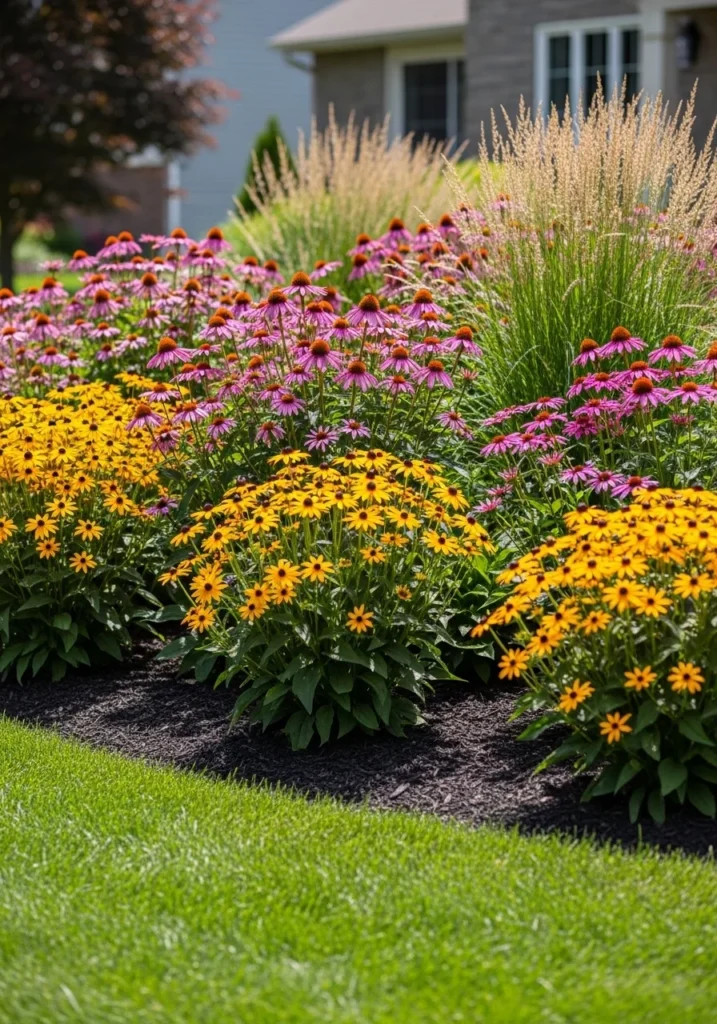
Should you use perennials or annuals in front of the house? The honest answer: both. But perennials are your bread and butter.
Perennials come back every year. You plant them once, and they reward you season after season. They’re the smart, cost-effective foundation of any low-maintenance front yard flower bed.
Top perennials for front of house beds:
- Daylilies — nearly indestructible, bloom all summer
- Black-Eyed Susans — native, drought-tolerant, long bloom season
- Coneflowers (Echinacea) — pollinator magnets, beautiful seed heads in fall
- Lavender — fragrant, drought-tolerant, deer-resistant
- Catmint (Nepeta) — soft, billowy, blooms for months
- Coral Bells (Heuchera) — stunning foliage in purple, bronze, and chartreuse
Then sprinkle in annuals — marigolds, zinnias, petunias — to fill gaps and add seasonal pops of color.
6. Pick Shrubs That Do the Heavy Lifting
Shrubs are the unsung heroes of front foundation planting. They give structure to your beds year-round, even when nothing else is blooming.
Best shrubs for front of house flower beds:
| Shrub | Size | Sun | Notes |
|---|---|---|---|
| Dwarf Boxwood | 2–3 ft | Full to part sun | Classic, formal, evergreen |
| Little Lime Hydrangea | 3–5 ft | Full to part sun | Chartreuse blooms, very hardy |
| Knockout Rose | 3–4 ft | Full sun | Nearly self-maintaining |
| Spirea | 2–4 ft | Full sun | Massive spring flower display |
| Dwarf Alberta Spruce | 4–6 ft | Full sun | Year-round evergreen structure |
The trick is to anchor your beds with 2–3 shrubs of varying heights, then build your perennials and annuals around them.
7. Layer Like a Pro
How do you layer plants in a front yard bed? It’s simpler than it sounds. Think of your bed as a three-row theater:
- Tallest plants go in the back (against the house)
- Medium plants go in the middle
- Low-growing plants or ground covers go at the front
This “thriller, filler, spiller” concept creates visual depth and ensures every plant gets seen — and every plant gets enough light.
8. Nail Your Edging
Clean edging is like the difference between a clean haircut and a shaggy one. It instantly makes your front garden beds look intentional, polished, and well-maintained.
Best edging ideas for front flower beds:
- Steel or aluminum edging — sleek, modern, nearly invisible, lasts forever
- Natural stone or brick — classic, elevated look, works with traditional homes
- Wood landscape timbers — warm, rustic, affordable
- Plastic no-dig edging — budget-friendly, easy to install
- Live plant edges — low creeping plants like mondo grass or creeping Jenny
Even if your plants are a little wild, crisp edging makes the whole bed look intentional. It’s the easiest upgrade with the highest visual return.
For a completely finished look, pair your edging with a clean decorative fence or border. Cheap Fence Ideas on a Budget: 15 Affordable Options That Actually Look Good has some really clever options that complement flower beds perfectly.
9. Mulch — Don’t Skip It
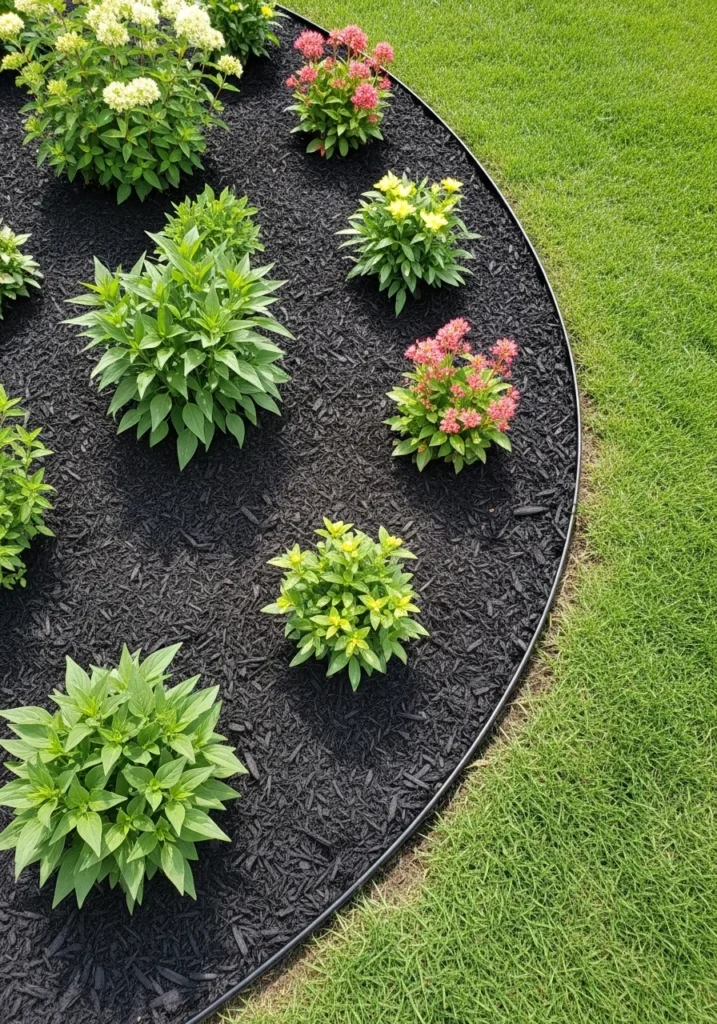
What is the best mulch for front yard flower beds? Dark-colored hardwood mulch wins almost every time. Here’s why:
- It suppresses weeds (huge time-saver)
- Retains soil moisture (especially important in summer)
- Regulates soil temperature
- Makes your plants pop against the dark background
Mulch comparison:
| Mulch Type | Cost | Look | Notes |
|---|---|---|---|
| Hardwood (shredded) | Low–Medium | Rich, dark brown | Most popular, decomposes into soil |
| Cedar | Medium | Reddish-brown | Natural pest deterrent |
| Pine Straw | Low | Rustic, natural | Great for acid-loving plants |
| Rubber Mulch | High | Long-lasting | Doesn’t decompose, not for edibles |
| Rock/Gravel | Medium–High | Modern, clean | Zero decomposition, can overheat |
Apply 2–3 inches deep, keep it a few inches away from plant stems, and refresh annually. Done.
10. Make Beds Look Full (Even When They’re Not)
How do you make front yard flower beds look full? A few tricks work really well:
- Plant in odd numbers — groups of 3, 5, or 7 look more natural and full than even-numbered groupings
- Use ground covers to fill bare soil — creeping phlox, ajuga, sweet woodruff
- Add mulch (as above) — bare dirt reads as “unfinished”
- Choose spreading varieties — many perennials naturally spread and fill in over time
- Repeat plants throughout the bed — repetition creates cohesion and visual fullness
Give new plantings one full growing season. Most perennials follow the classic rule: sleep, creep, leap — first year they establish, second year they grow, third year they explode.
11. Low-Maintenance Is a Real Strategy
How do you keep front yard flower beds low maintenance? You design for it from the start.
- Choose native plants — they’re adapted to your local conditions, need less water and fertilizer
- Use perennials over annuals wherever possible
- Install a drip irrigation system — a game-changer for busy people
- Mulch heavily — less weeding, less watering
- Avoid plants with aggressive spreading habits unless you want them everywhere
- Choose disease-resistant varieties of roses and other fussier plants
Your future self will thank you every August.
12. Design Walkway and Entryway Beds Thoughtfully
Walkway flower beds and entryway flower beds have a different job than general foundation beds — they guide people toward your front door and create an arrival experience.
For walkway borders:
- Keep plants relatively low so they don’t crowd the path
- Use fragrant plants (lavender, catmint, sweet alyssum) so guests brush past them and get a nice scent
- Maintain good sightlines to the front door
- Keep colors cohesive — this isn’t the place for a chaotic mix
For entryway beds framing the front door:
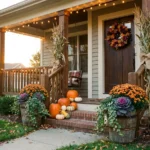
- Symmetry works beautifully here — matching containers or matching plantings on each side
- Go bold with color right at the door — this is your focal point
- Pair flowering plants with structural elements like ornamental grasses or a dwarf evergreen
13. Solve Drainage Problems Before They Start
If your front yard has issues with water runoff or pooling around your flower beds, your plants will suffer — and so will your foundation. This is especially important in foundation planting near your house.
Smart grading, swales, and the right plants can solve most drainage issues before they become problems. The comprehensive guide to Water Runoff Landscaping: 12 Smart Solutions to Stop the Flood in Your Yard is exactly the kind of resource to bookmark if water management is a concern in your front yard.
14. Budget-Friendly Front Flower Bed Ideas
Great front of house landscaping doesn’t have to break the bank. Some of the best-looking front yard beds are built with patience and smart shopping.
Cheap flower bed ideas that look expensive:
- Divide perennials from friends or neighbors — most are happy to share divisions in spring and fall
- Grow from seed — zinnias, cosmos, and marigolds germinate fast and cheap
- Shop end-of-season sales — nurseries slash prices in late summer and fall
- Use landscape fabric + mulch for weed control instead of expensive ground covers
- Start small and expand — one well-done bed beats three mediocre ones
- Propagate from cuttings — coleus, impatiens, and many others root easily in water
15. Choose a Color Palette and Stick to It
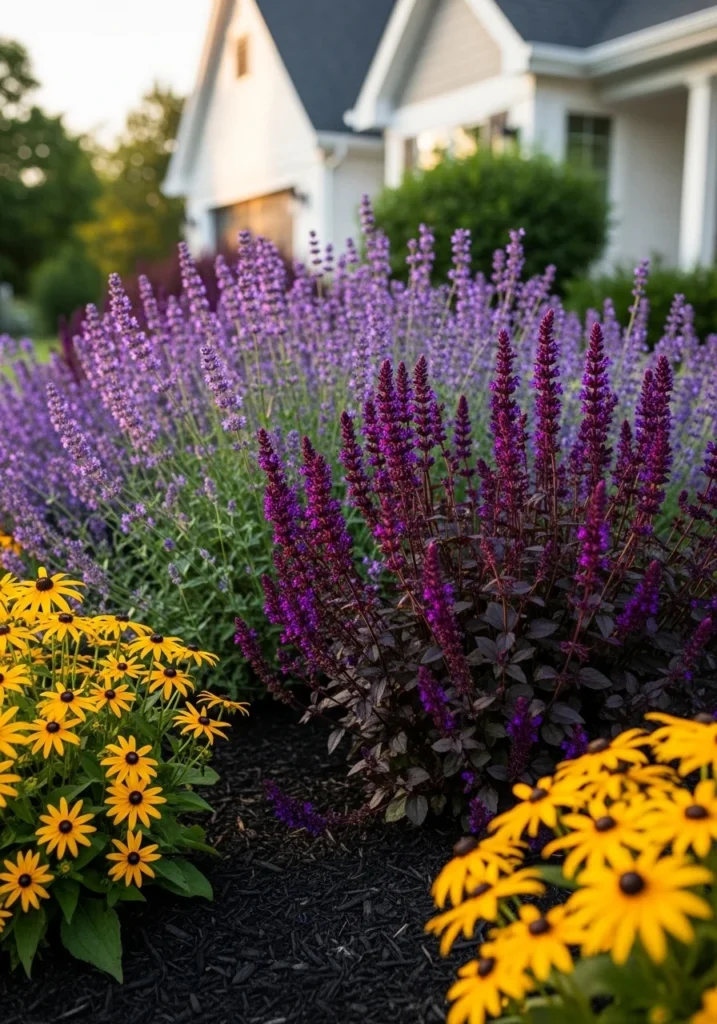
Nothing ages a flower bed faster than a chaotic color mix. A little restraint goes a long way.
Simple color palette strategies:
- Monochromatic: All one color family (all white, all purple) — elegant, sophisticated
- Analogous: Colors next to each other on the color wheel (purple + blue + pink) — harmonious, soothing
- Complementary: Opposite colors (purple + yellow) — vibrant, eye-catching
- Triadic: Three evenly spaced colors — dynamic but still cohesive
Pick one approach and stay consistent. Your front yard will look designed rather than accidentally planted.
Frequently Asked Questions
What are the best flowers for front of house flower beds?
Black-eyed Susans, coneflowers, lavender, daylilies, and salvia are all excellent choices — they’re hardy, beautiful, and relatively low-maintenance for most US climates.
How wide should flower beds in front of a house be?
Aim for at least 4 feet wide. The sweet spot for most homes is 4–6 feet, which gives you enough room to layer plants properly.
Should I use perennials or annuals in the front flower bed?
Use perennials as your base (they come back every year) and supplement with annuals for seasonal color and to fill gaps while perennials mature.
What shrubs work well in front of house flower beds?
Dwarf boxwood, Knock Out roses, dwarf spirea, Little Lime hydrangea, and dwarf Alberta spruce are all excellent choices for structure and four-season interest.
How do I make flower beds look good year-round?
Layer bloom times across spring, summer, and fall. Add evergreen shrubs and ornamental grasses for winter structure when flowers are dormant.
Final Thoughts
A well-designed flower bed in front of your house is one of the most rewarding things you can do for your home. It’s part art, part science, and a whole lot of personal expression.
Start with one bed. Get the foundation right — width, layering, sun exposure, mulch, edging. Watch it grow. Adjust. Expand. Before you know it, you’ll be the house that slows people down.
What are you planting first? Drop a comment below — I’d genuinely love to know.