

Let me be honest with you — the backyard is one of those spaces most of us mean to fix up every single spring, and then somehow August rolls around and we’re still sitting on the same patch of patchy grass we’ve been ignoring since 2019.
Sound familiar?
Here’s the thing: a paver patio changes everything. It’s not just a slab of stone on the ground. It’s the foundation for every barbecue, every late-night fire, every Sunday coffee ritual, and every “wow, your yard looks amazing” compliment you’ve ever wanted to collect. And the best part? There are paver patio ideas for every budget, every backyard size, and every aesthetic — from sleek and modern to warm and rustic.
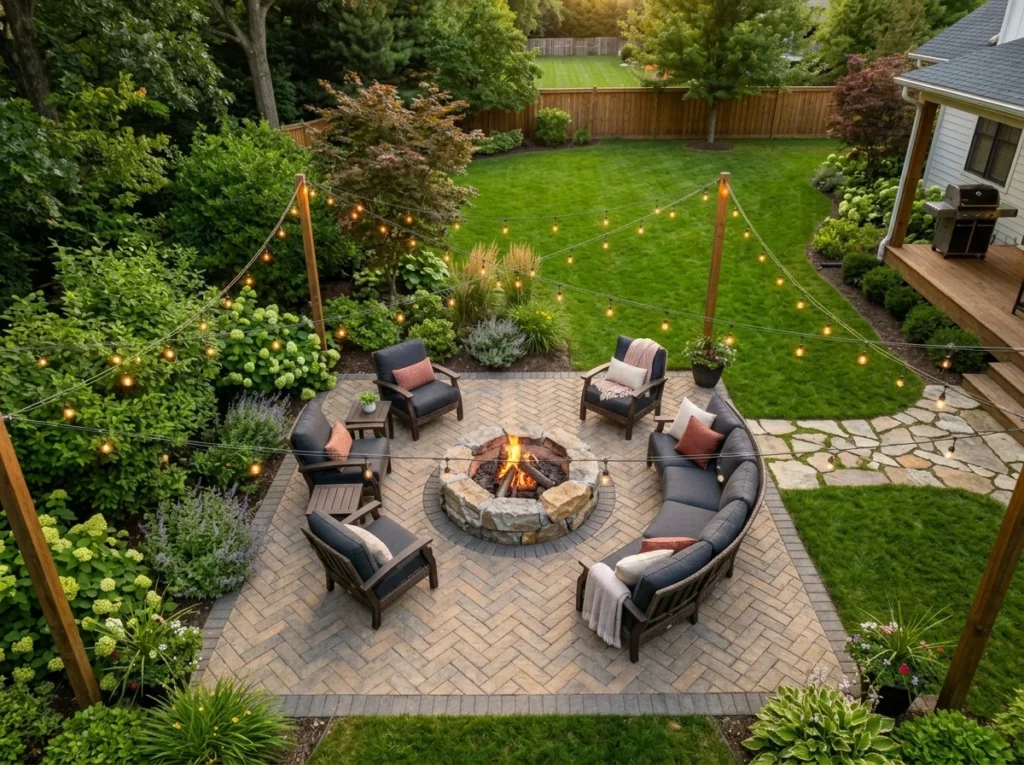
So whether you’re planning a full backyard overhaul or just looking for a small paver patio upgrade, I’ve pulled together 15 design ideas that are actually worth your time, your money, and your weekend.
Let’s dig in.
Table of Contents
What Are Paver Patios — and Why Are They Worth It?
Before we get into the fun stuff, let’s quickly set the stage. A paver patio is an outdoor surface made from individual units — concrete pavers, brick, natural stone, or porcelain — laid over a compacted base of gravel and sand. Unlike poured concrete, pavers are modular, meaning individual pieces can be removed and replaced without tearing up the whole thing.
Benefits of paver patios over other options:
| Feature | Paver Patio | Poured Concrete | Wood Deck |
|---|---|---|---|
| Durability | ⭐⭐⭐⭐⭐ | ⭐⭐⭐⭐ | ⭐⭐⭐ |
| Repairability | Easy | Hard | Medium |
| Aesthetics | High variety | Limited | Medium |
| Maintenance | Low–Medium | Low | High |
| DIY-Friendly | Yes | Harder | Yes |
| Cost (avg/sq ft) | $8–$25 | $6–$12 | $15–$35 |
As you can see, pavers punch above their weight in almost every category. Now, onto the ideas.
15 Paver Patio Ideas Worth Stealing
1. The Classic Herringbone Brick Patio
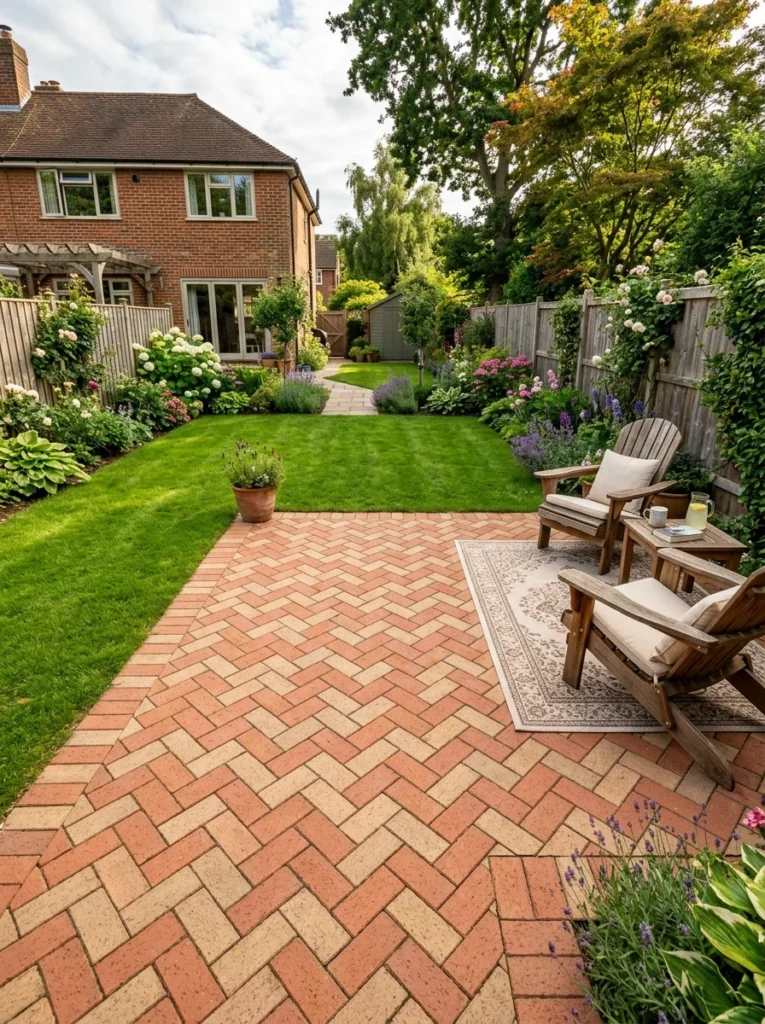
If it ain’t broke — you know the rest. The herringbone pattern is one of the most popular paver patio patterns for a reason: it’s structurally strong, visually timeless, and works with almost any home style.
Brick pavers in warm terra cotta or sandy beige tones give the whole thing a grounded, classic feel. Pair it with simple black outdoor furniture and you’ve got an instantly pulled-together look.
Pro tip: Herringbone is also one of the more stable patterns for driveways and high-traffic areas because the angled layout distributes weight evenly.
2. Modern Concrete Paver Patio with Clean Lines
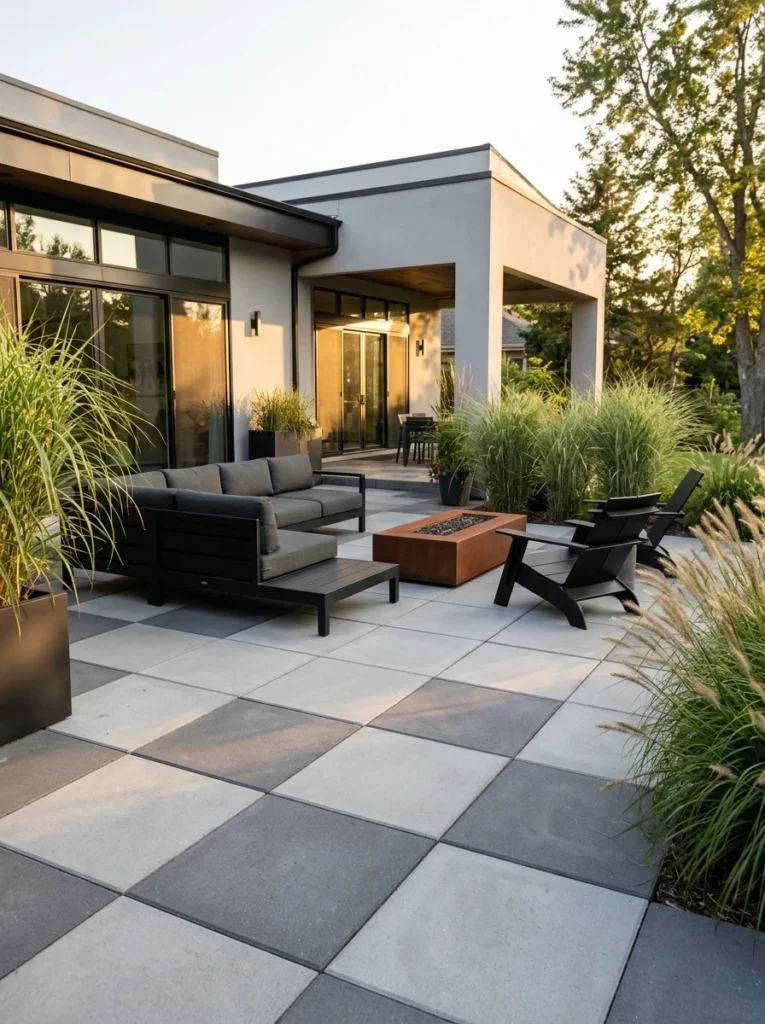
If your design vibe leans more “architectural digest” than “country cottage,” large-format concrete pavers are your best friend. Think 24×24-inch slabs in cool gray or charcoal tones, laid in a simple grid pattern with tight joints.
This is the modern paver patio idea that photographs like a magazine spread. Add low-profile furniture, some ornamental grasses, and a wall-mounted outdoor light — and the whole setup looks like it costs three times what it does.
3. Paver Patio with Fire Pit
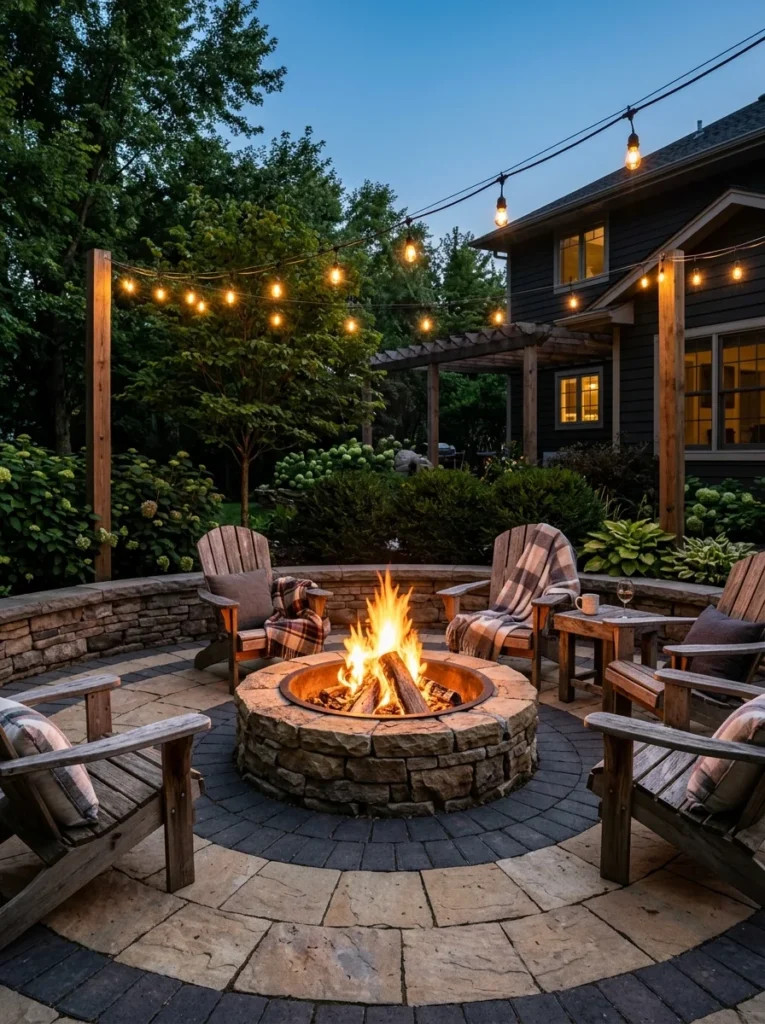
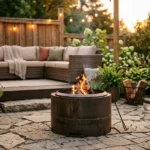
Yes. Absolutely yes. Adding a fire pit to your paver patio layout is basically the cheat code for transforming your backyard into a genuine hangout spot.
The most popular configuration? A circular or curved paver patio that naturally wraps around a center fire pit — either a built-in stone feature or a portable steel unit. Use contrasting pavers (like darker stones for the inner circle and lighter tones for the outer ring) to define the zones.
Quick FAQ: Can I add a fire pit to a paver patio? Yes — just make sure your pavers near the fire pit are made from dense concrete or natural stone, not standard brick, which can crack from extreme heat. Keep a 3-foot clearance between the fire and any combustible materials.
4. Small Paver Patio Ideas for Tight Spaces
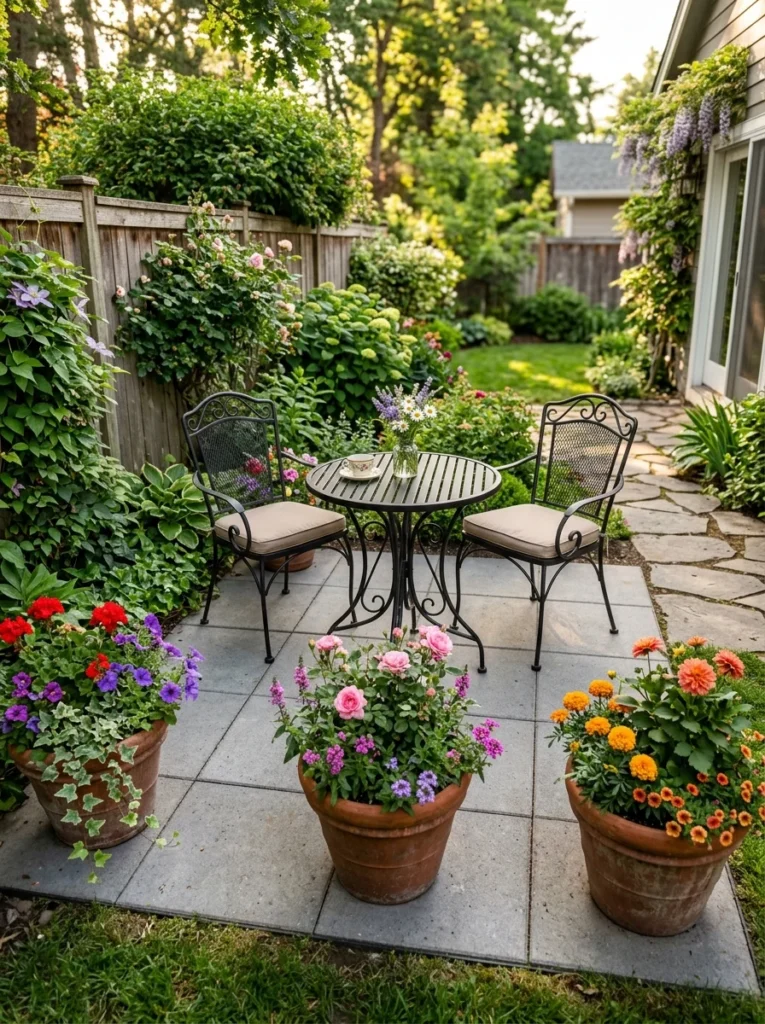
Working with a postage stamp–sized yard? Small doesn’t mean sad. Some of the coziest outdoor spaces I’ve ever seen were tight, intentional, and layered with personality.
For a small paver patio, the trick is to go with a simple, contained shape — square or rectangle — and use smaller-format pavers like cobblestone or standard 12×12 concrete squares to keep the pattern from overwhelming the space.
A bistro table, a couple of folding chairs, a few planters, and some solar string lights? You’ve got yourself a little corner of paradise.
What size should a paver patio be? For two people, aim for at least 8×10 feet. For a dining table and chairs, go for 12×14 feet minimum. Anything larger than 20×20 is considered a full outdoor room.
5. Curved Paver Patio for an Organic Feel
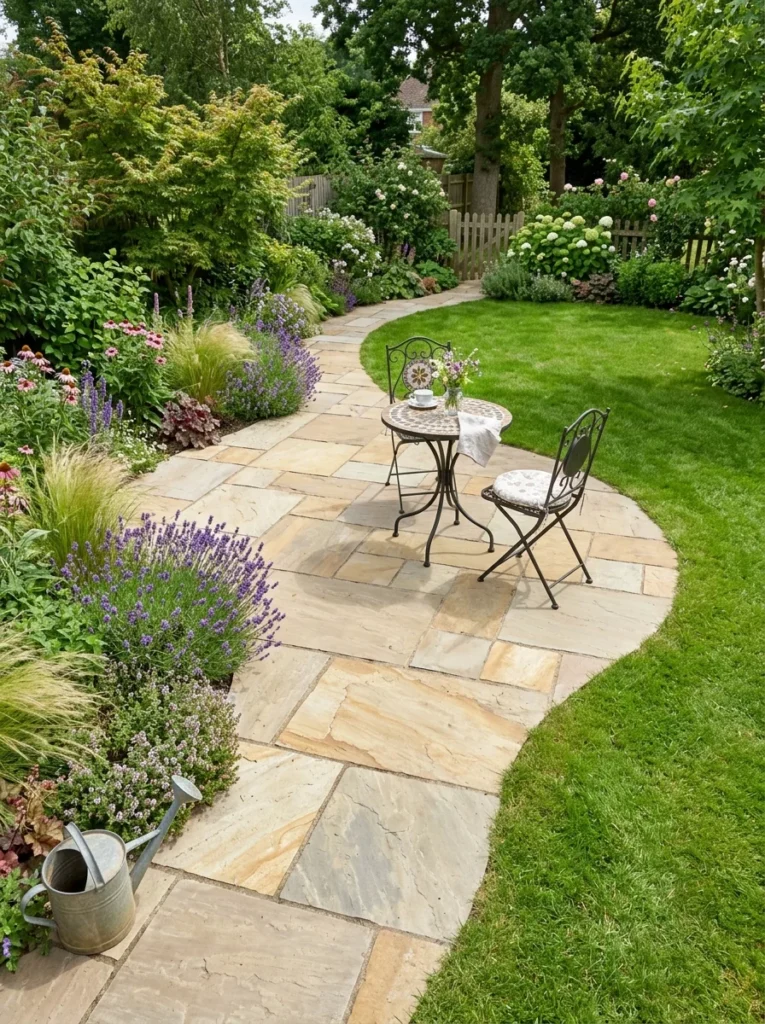
There’s something about curves in the landscape that just feels right. Curved paver patios flow naturally into lawns and garden beds, avoiding the boxy, clipped look of straight-edged designs.
This works especially well when you pair it with soft plantings along the edges — ornamental grasses, lavender, or creeping thyme that spills slightly over the border. For design inspo on integrating plants, check out this guide on River Rock Landscaping: 15 Creative Ideas to Transform Your Yard — it covers how to blend hardscaping with natural elements beautifully.
6. Paver Patio with Pergola
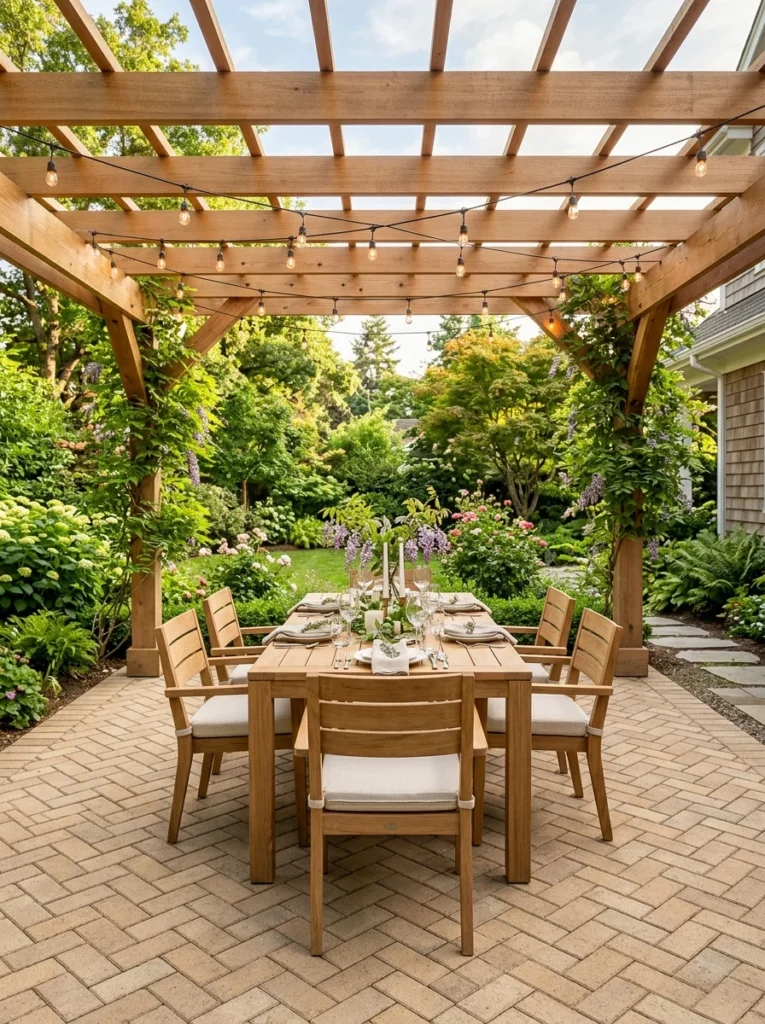
A pergola turns a patio into a room. It creates shade, adds visual height, and gives you a framework to hang string lights, outdoor curtains, or climbing plants like wisteria or jasmine.
Anchor a wood or aluminum pergola directly to the paver surface using post bases set in concrete footings, and choose pavers that complement the pergola material — warm travertine with cedar wood, cool gray concrete with aluminum, and so on.
7. Running Bond Pattern — The Underrated Classic
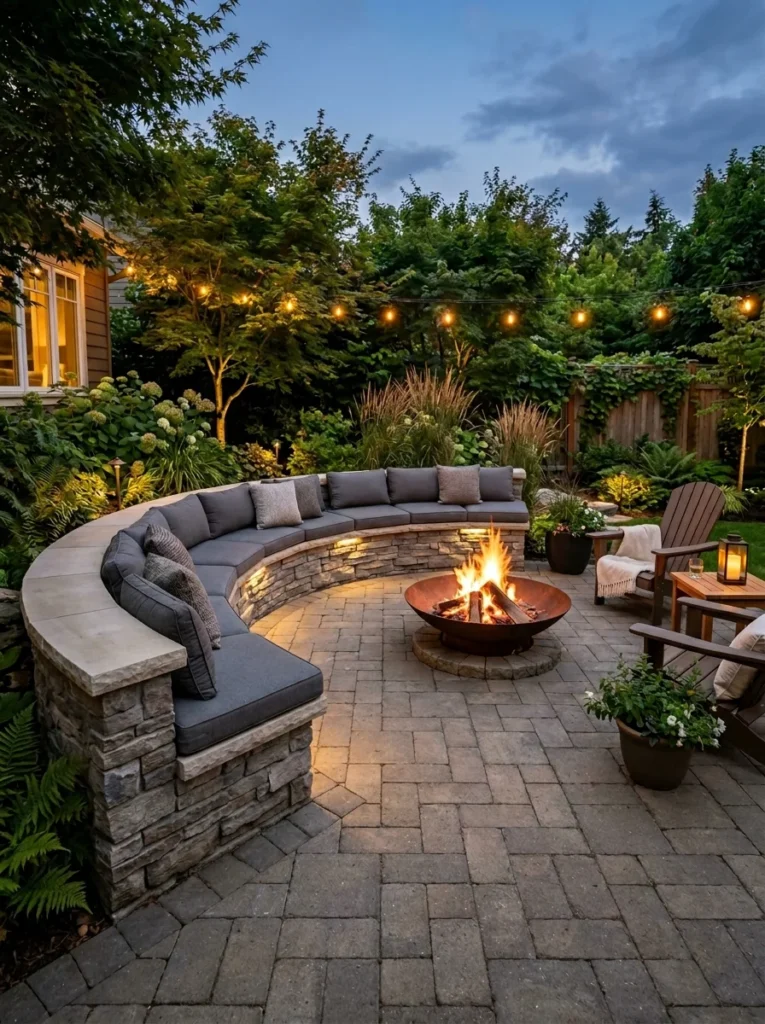
Think of this as the herringbone’s more laid-back cousin. The running bond (offset rows, like standard brickwork) is simple, clean, and extremely easy for a DIY paver patio installation because it doesn’t require as much cutting.
It’s particularly great for rectangular paver patios where you want the layout to guide the eye along the length of the space. Use a single neutral color for timeless appeal, or mix two complementary shades for a two-tone effect.
8. Paver Patio with Seating Wall
Seating walls are one of those design moves that look expensive but are surprisingly doable. A low wall (typically 18–24 inches high) built from the same pavers as your patio surface creates built-in seating, defines the patio boundary, and reduces the need for bulky furniture.
This is a top choice for larger paver patio layouts where you want to entertain a crowd without cluttering the space with chairs and loungers.
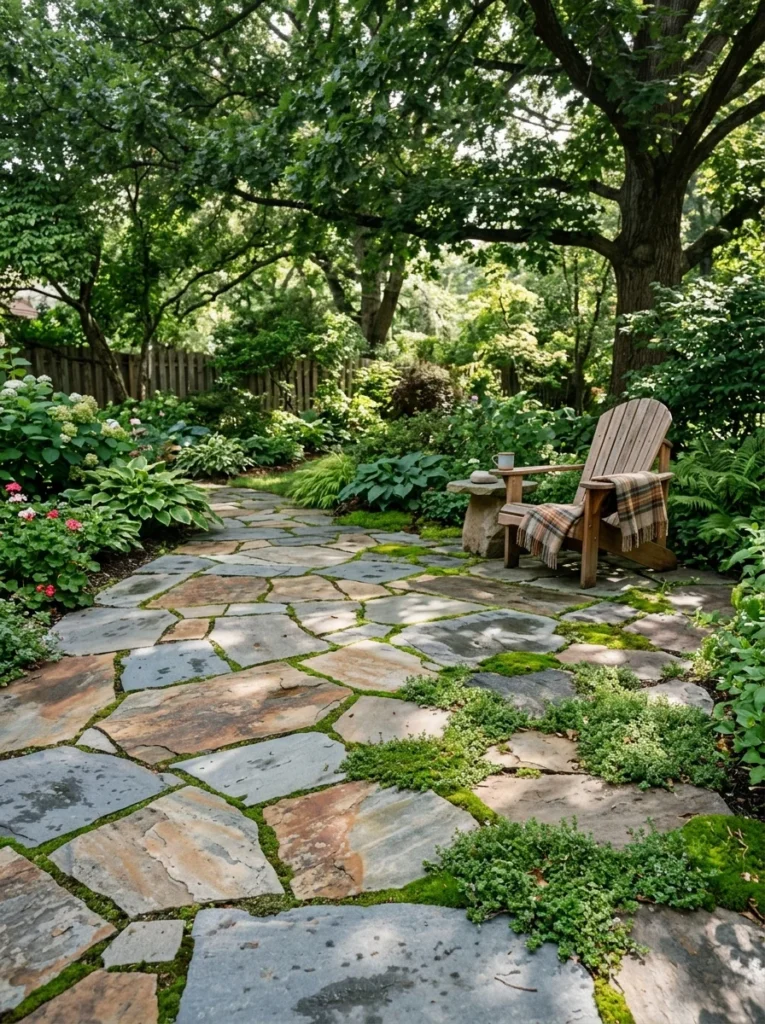
9. Flagstone Paver Patio — Natural and Timeless
If you love that organic, grown-in look, flagstone is your material. Irregular-cut pieces of slate, bluestone, or limestone create a patio that looks like it’s been there for centuries — which is kind of the point.
Fill the joints with crushed gravel for a dry-laid look, or plant groundcover like creeping thyme or moss between the stones for that enchanted-garden effect. Just be aware that flagstone tends to be on the pricier end of patio paver options.
What are the best pavers for a patio? It depends on your budget and style. Concrete pavers are affordable and durable. Brick offers classic charm. Natural stone (flagstone, bluestone, travertine) gives the most high-end look. Porcelain is low maintenance but can be slippery when wet.
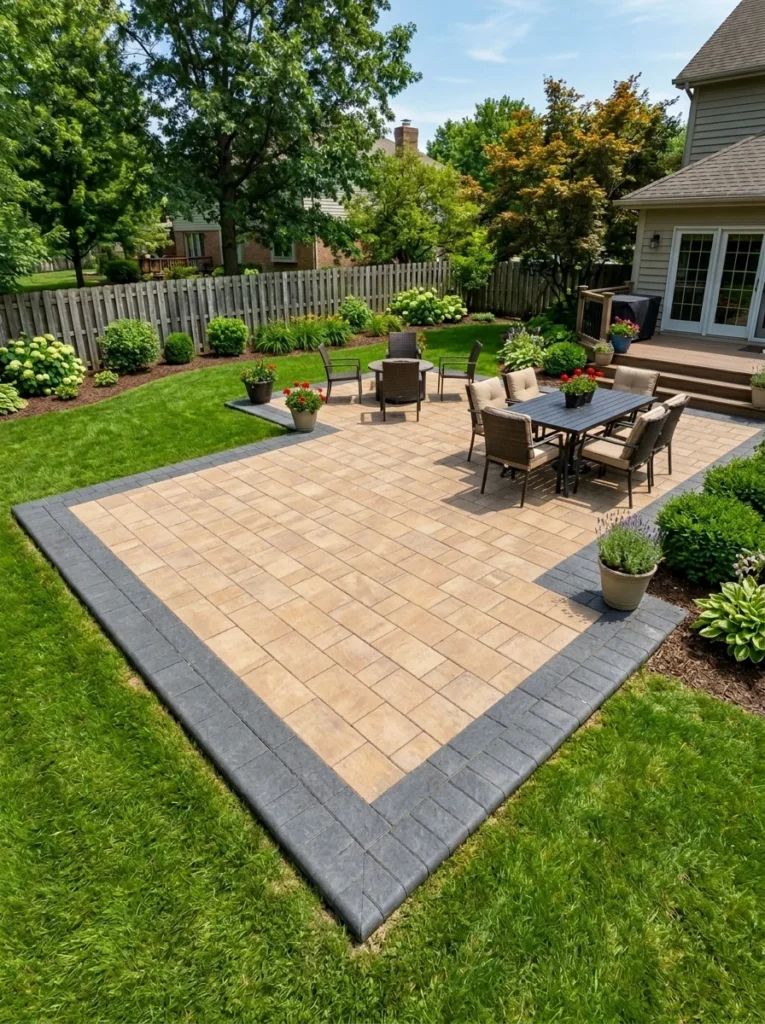
10. Two-Tone Paver Patio Border Design
One of the easiest ways to add visual interest to any paver patio is a contrasting border. Use a darker or differently shaped paver to frame the perimeter of your patio, and fill the center with a simple repeating pattern.
A classic combo: gray charcoal border with tan or buff-colored interior pavers. The border trick also helps define the edges cleanly without needing a separate edging material.
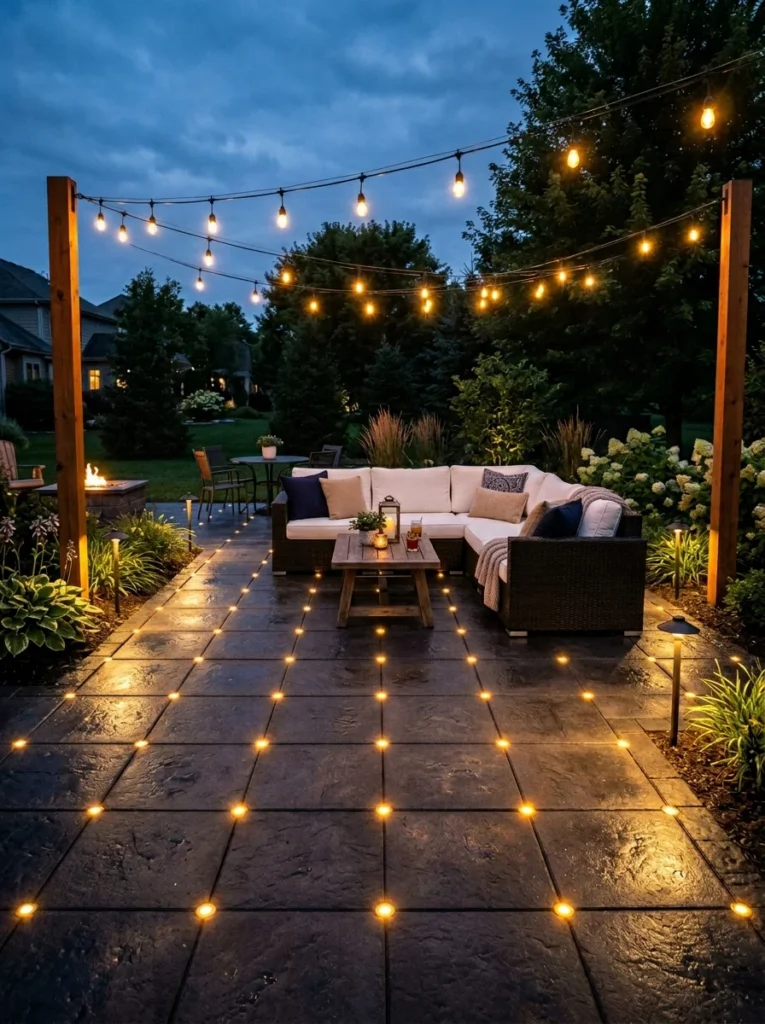
11. Paver Patio with Outdoor Lighting
This one gets criminally overlooked. Lighting transforms a patio from a daytime feature into a 24/7 outdoor room. The best paver patio lighting options include:
- In-ground LED puck lights installed between pavers for a dramatic nighttime glow
- String lights overhead on a pergola or poles
- Step lights if your patio has elevation changes
- Solar path lights along the perimeter for a warm, defined border
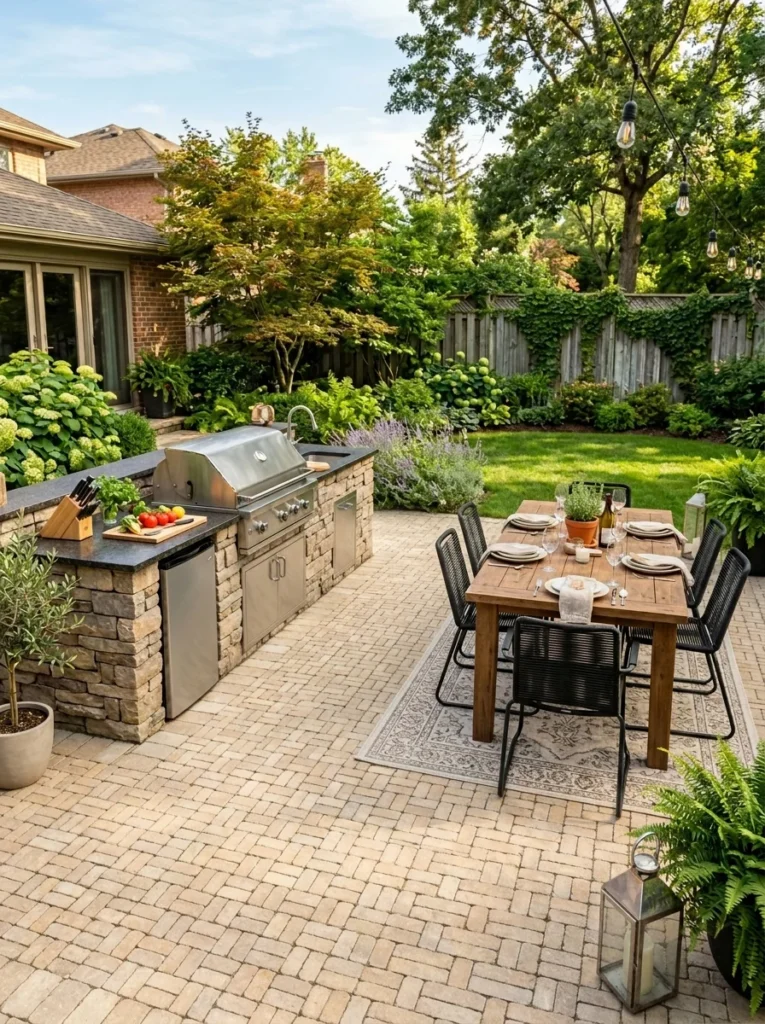
12. Rectangular Patio with Outdoor Kitchen Zone
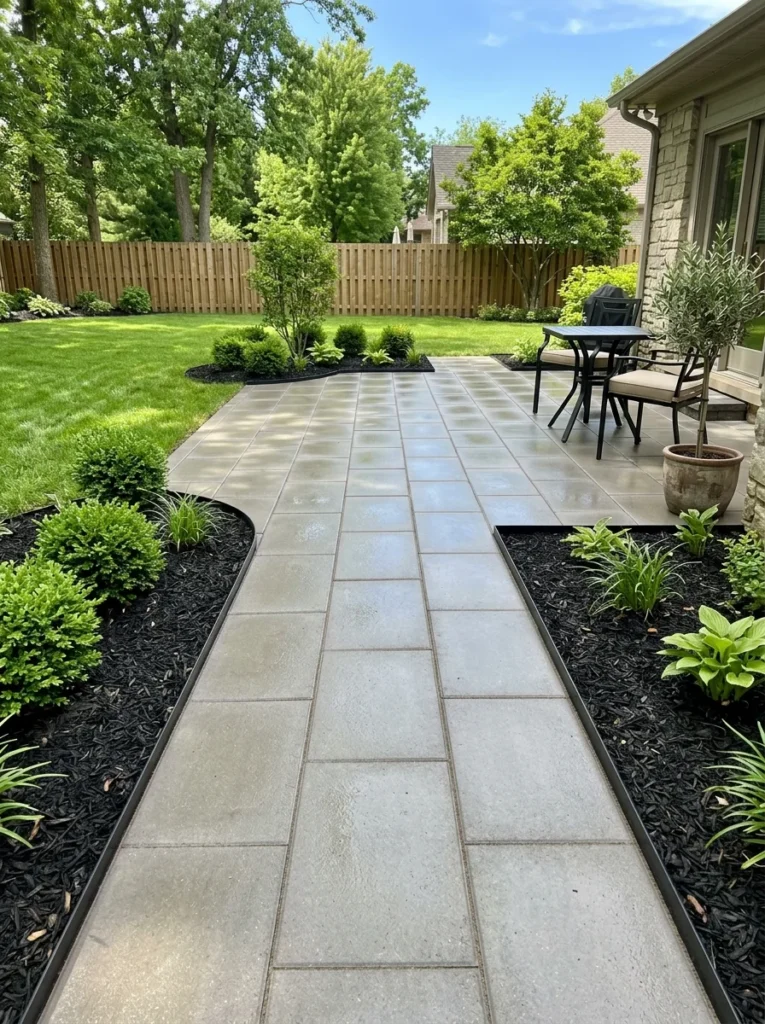
For the home chef, this is the dream: a rectangular paver patio divided into two functional zones — a cooking area with a built-in grill or outdoor kitchen, and a dining area with a large table and chairs.
Use level changes or a slight shift in paver pattern to visually separate the zones without actually building a wall. This also ties in beautifully with ideas from 15 Backyard Layout Ideas for a Rectangle Yard That Actually Work — that guide is packed with smart zoning strategies for exactly this kind of project.
13. Low-Maintenance Paver Patio with Polymeric Sand
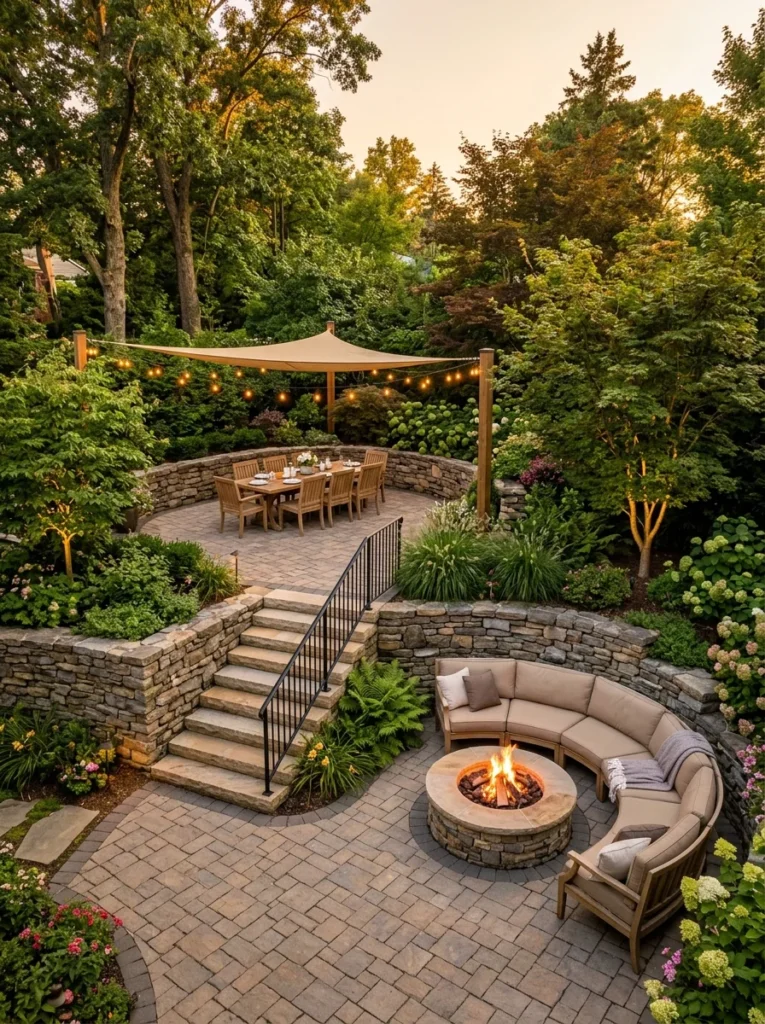
Let’s be real — nobody wants to spend their weekends pulling weeds out of their patio. The solution? Polymeric sand. It’s a specially formulated jointing sand that, when activated with water, hardens into a firm, flexible material that blocks weeds and resists erosion.
For a truly low-maintenance patio, combine polymeric sand with a penetrating paver sealer applied every 3–5 years. Done. You’re basically set.
How do I keep weeds from growing between patio pavers? Use polymeric sand between joints, apply a sealant, and maintain a proper base layer with landscape fabric beneath the gravel bed.
14. Multi-Level Paver Patio for Sloped Yards
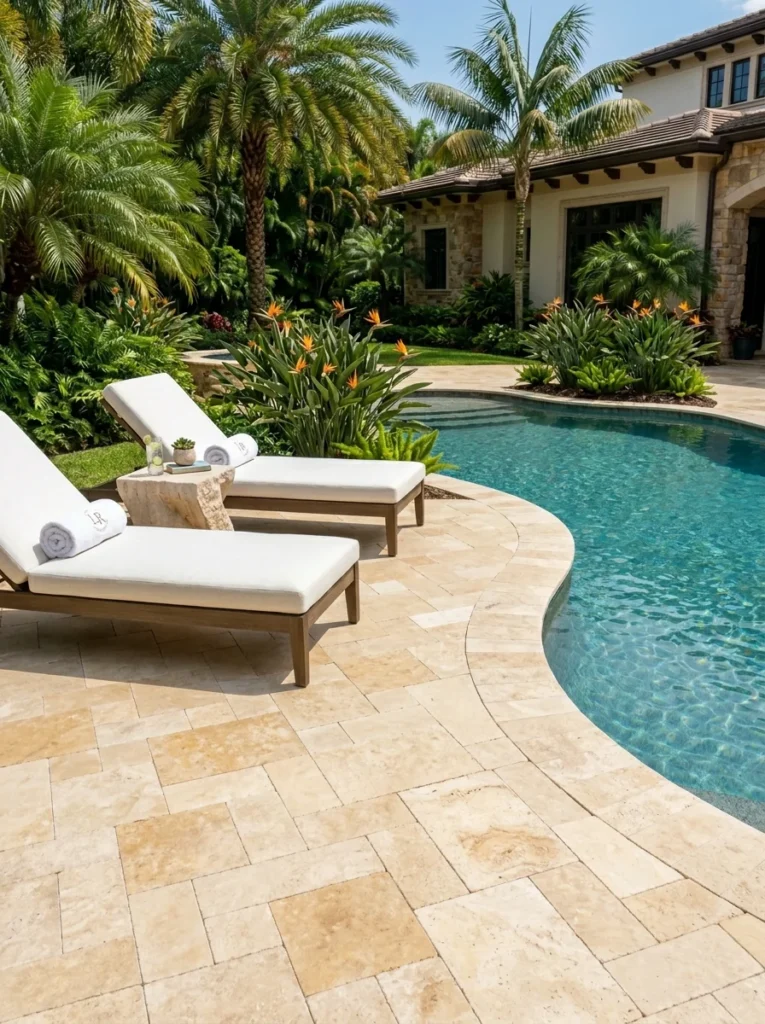
Got a sloped backyard? Don’t fight it — work with it. A multi-level paver patio uses retaining walls to create two or more flat tiers, which not only solves your drainage problem but also adds incredible depth and drama to the whole space.
The upper level might host a dining set; the lower level becomes a lounge area with a fire pit. Connect them with wide paver steps and you’ve got a genuinely impressive outdoor environment.
For guidance on building the retaining structures that anchor a multi-level setup, the Natural Rock Retaining Wall: The Complete Guide to Building One That Lasts is an excellent resource that walks through materials, drainage, and construction in full detail.
15. Travertine Paver Patio — The Luxury Option
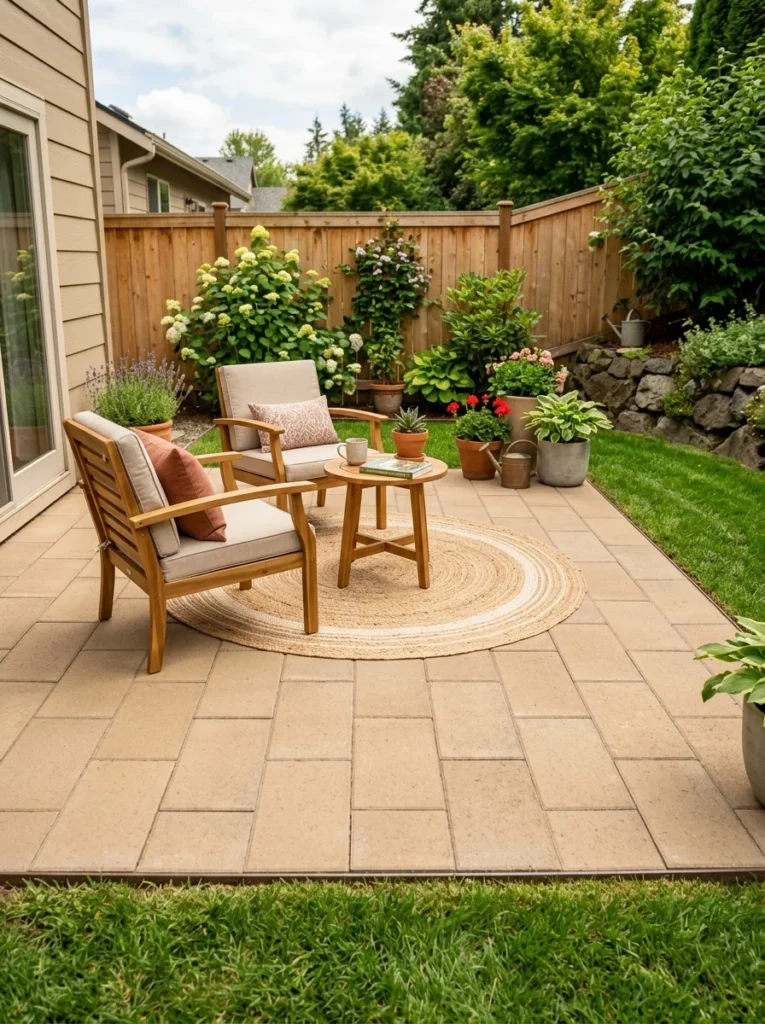
If budget isn’t your concern and you want the highest-end look possible, travertine is the answer. This natural limestone features warm creams, tans, and golds with a textured surface that stays cool underfoot even in direct sun — which makes it a popular choice in warm climates.
Tumbled travertine has a softer, antique finish, while honed travertine is smooth and contemporary. Either way, it photographs beautifully and genuinely elevates the look of any outdoor space.
How Much Does a Paver Patio Cost?
Let’s talk numbers, because that’s always the question hiding in the back of your mind.
| Patio Size | Budget Pavers | Mid-Range | High-End |
|---|---|---|---|
| 10×10 ft | $800–$1,500 | $1,500–$2,500 | $3,000+ |
| 12×16 ft | $1,200–$2,200 | $2,500–$4,000 | $5,000+ |
| 20×20 ft | $3,000–$5,000 | $6,000–$9,000 | $12,000+ |
Costs include materials and professional installation. DIY projects can cut costs by 50–60%.
Factors that affect price:
- Paver material (concrete is cheapest; natural stone is most expensive)
- Pattern complexity (herringbone and fan patterns require more cutting = more labor)
- Site prep (sloped or poorly draining yards cost more to grade)
- Regional labor rates
Can I Build a Paver Patio Myself?
Yes — and many homeowners do. A DIY paver patio is completely achievable if you’re comfortable with moderate physical work and can dedicate a full weekend (or two).
Basic installation steps:
- Mark and excavate the area to a depth of 6–8 inches
- Compact the subbase
- Add 4–6 inches of crushed gravel and compact
- Add 1 inch of coarse sand, screeded flat
- Lay your pavers in your chosen pattern
- Fill joints with polymeric sand
- Compact the entire surface with a plate compactor
- Seal if desired
What is the best base for a paver patio? A properly compacted gravel base (3/4-inch crushed stone, at least 4 inches deep) topped with a 1-inch sand setting bed. Never skip the base — it’s what prevents sinking and shifting over time.
How to Choose Paver Colors
Color can make or break a patio design. Here’s a simple guide:
- Match your home’s exterior: Brick red pavers with a red brick home, gray with modern siding, tan/beige with stucco
- Contrast for drama: Dark charcoal pavers against a light home creates a striking look
- Neutral always wins: Gray, tan, and buff tones are safe, versatile, and timeless
- Limit your palette: No more than two to three paver colors in any one design
Paver Patio Maintenance: Keep It Looking Great
A paver patio is low maintenance — but not no maintenance. Here’s what you’ll want to stay on top of:
- Sweep or blow off debris regularly to prevent staining
- Rinse with a garden hose seasonally (or use a low-pressure washer)
- Re-sand joints every few years as needed
- Reseal every 3–5 years to protect against stains and fading
- Check for sunken or shifted pavers after winter; these are easy to lift and reset
Final Thoughts
A paver patio isn’t just a home improvement project — it’s an investment in how you live. Whether you go big with a multi-level travertine masterpiece, or keep it simple with a small herringbone square, the right patio design will give you back your backyard and then some.
The key? Start with a clear idea of how you’ll use the space, then let the design follow function. From there, it’s just a matter of picking the pavers, patterns, and personal touches that feel like you.
Now, go enjoy your backyard — you’ve earned it.
Frequently Asked Questions
What are the best paver patio ideas for a backyard?
Top ideas include fire pit patios, pergola-covered entertaining areas, multi-level terraces, and modern large-format concrete designs. The best choice depends on your space, budget, and how you use your backyard.
What is the difference between concrete, brick, and stone pavers?
Concrete pavers are the most affordable and versatile. Brick pavers offer a classic, warm aesthetic. Natural stone (flagstone, travertine, bluestone) provides the most upscale look but at a higher cost and more maintenance.
How do I design a low-maintenance paver patio?
Use polymeric sand for joints, apply a penetrating sealer, choose darker colors that hide staining, and keep borders clean with steel or aluminum edging.









2 thoughts on “15 Paver Patio Ideas That’ll Make Your Backyard the Envy of the Whole Block”