
Here’s a weird gardening fact that tends to blow people’s minds at a backyard barbecue: your tomatoes, your potatoes, and that gorgeous purple flowering vine your neighbor swears is “just decorative” all belong to the same family. The nightshade family. Yes, the one with “deadly” in its nickname.
I’ll admit it — the first time I learned that tomatoes and deadly nightshade were basically cousins, I side-eyed my salad for a solid week. But here’s the thing: knowing your nightshade family plants isn’t about fear, it’s about being the gardener who knows exactly what’s growing in their yard and why. Some of these plants feed your family dinner. Others can genuinely hurt your pet, your toddler, or you. And a few just sit in a weird gray zone where “technically edible” comes with a lot of asterisks.
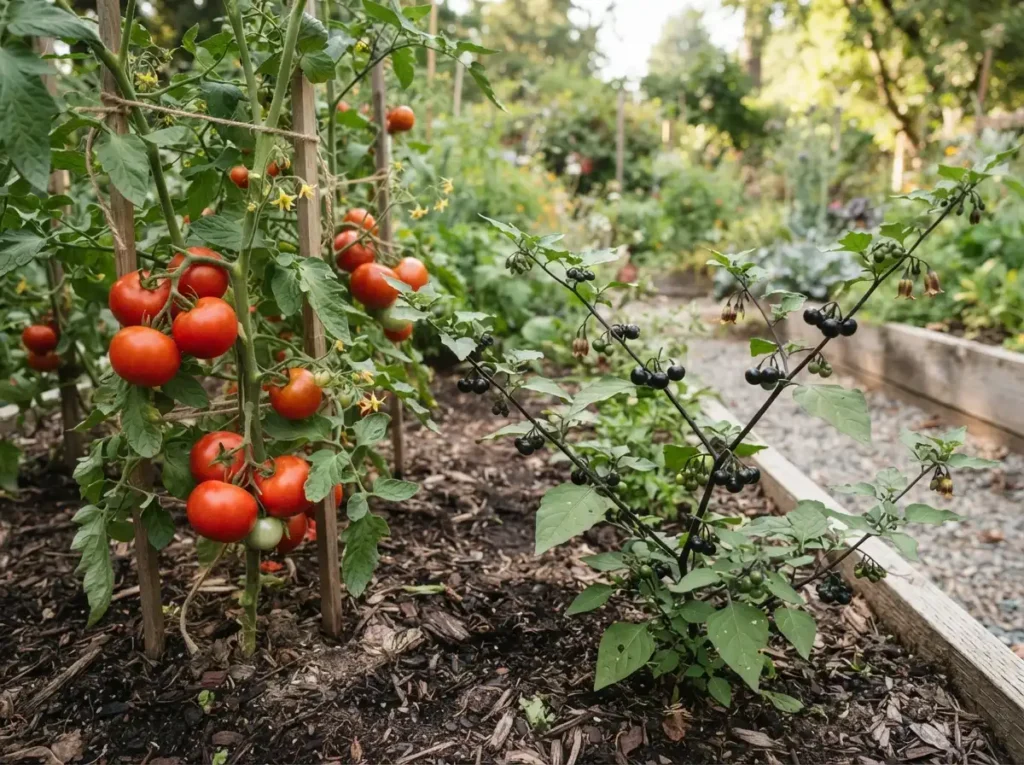
So let’s sort it out — the ones worth planting, the ones worth pulling, and the ones you should probably just admire from a very safe, non-nibbling distance.
Table of Contents
What Is the Nightshade Family, Exactly?
The nightshade family — botanists call it Solanaceae — is a massive plant family with more than 2,000 species scattered across the globe. It includes some of the most common vegetables in your kitchen and some of the most notorious poisons in botanical history, sometimes just a few genera apart. The Solanaceae family contains more than 2,000 plants, and while some members like Brunfelsia, jimsonweed, and tobacco are highly poisonous, others such as eggplant, potato, tomato, pepper, and tomatillo are food crops that are only mildly poisonous.
That’s the split you need to remember: food crops vs. toxic wildcards, all under one very confusing family tree.
If you’ve ever wondered what does Solanaceae mean, it’s simply the scientific (Latin-derived) name for the nightshade family — it doesn’t tell you anything about toxicity on its own. Family membership just means shared traits: five-petaled flowers, similar leaf shapes, and often berry-like fruit. It says nothing about whether that fruit will feed you or flatten you.
Nightshade Plants to Grow (Edible & Ornamental Favorites)
Let’s start with the good news, because honestly, most of your favorite dinner ingredients live here.
Edible Nightshade Plants for Your Garden
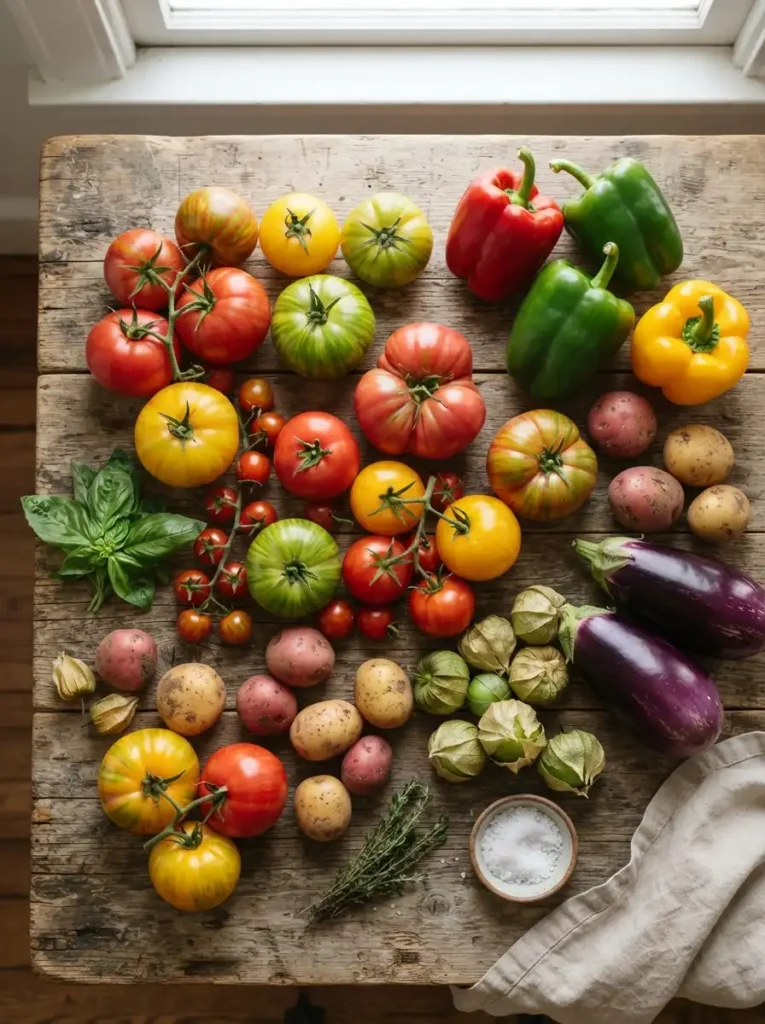
These are the ones you can plant with confidence, harvest, and eat without a second thought (once ripe and properly prepared):
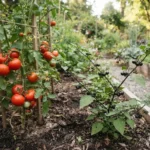
- Tomatoes — the reigning champ of home gardens everywhere
- Potatoes — just keep them away from sunlight so they don’t turn green and bitter
- Peppers — sweet bells, jalapeños, habaneros, all of them
- Eggplant — glossy, purple, and criminally underused on the grill
- Tomatillos — the tart little green lanterns behind your favorite salsa verde
- Ground cherries — a sweet, pineapple-ish surprise if you’ve never grown them
A quick reality check on those food crops: the ripe fruit and vegetable parts of crops like eggplant, potato, tomato, pepper, and tomatillo are only mildly toxic, and a few bites of the foliage or unripe fruit are unlikely to cause anything beyond minor nausea — but the green, unripe parts and the leafy foliage are a different story, which is why “don’t eat the tomato leaves” isn’t just Grandma being dramatic.
Ornamental Nightshades Worth a Second Look
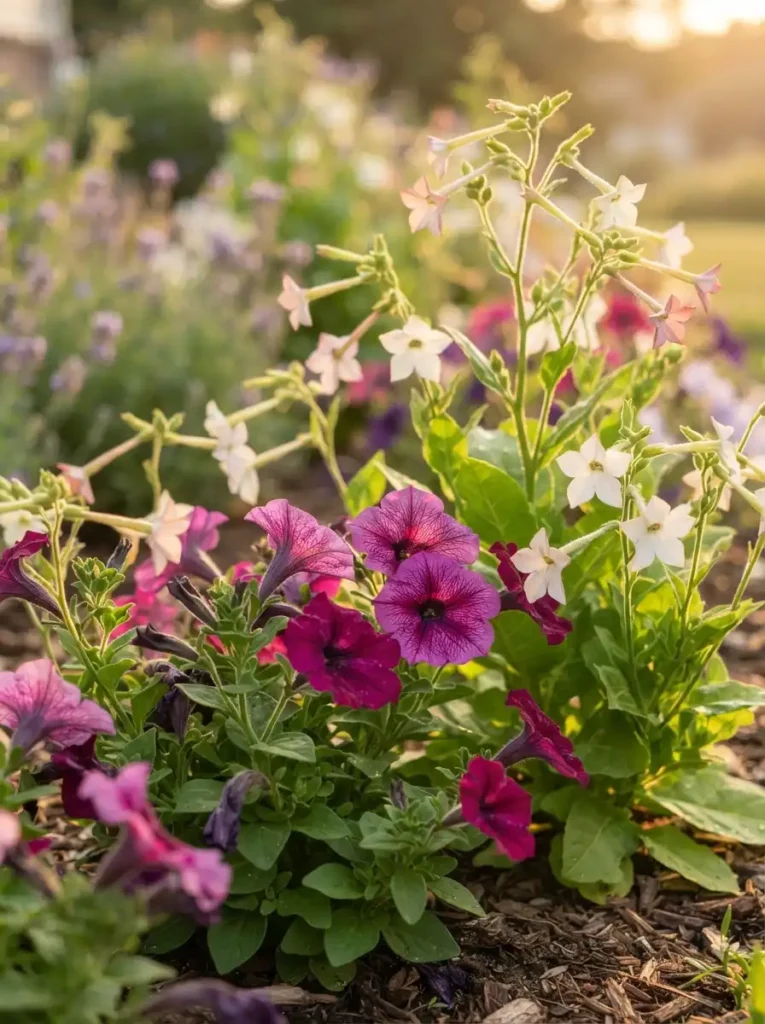
If you’re gardening for looks rather than the dinner table, there are a few showy Solanaceae relatives people love:
- Petunias — a garden-center staple for a reason
- Flowering tobacco (Nicotiana) — fragrant, dramatic, evening-blooming
- Browallia — clusters of blue-violet star flowers
- Nierembergia (cup flower) — low, mounding, and covered in blooms
These are generally considered safer ornamentals, but “ornamental” and “edible” are not the same category — don’t let anyone (including a curious toddler or a food-motivated dog) treat them like snacks.
Nightshade Plants to Avoid
Now for the part that earns the family its spooky reputation. A handful of Solanaceae members are genuinely dangerous, and knowing their names is the whole point of this article.
The Toxic Nightshade Plants Worth Knowing by Name
| Plant | Common Name | Why It’s Dangerous |
|---|---|---|
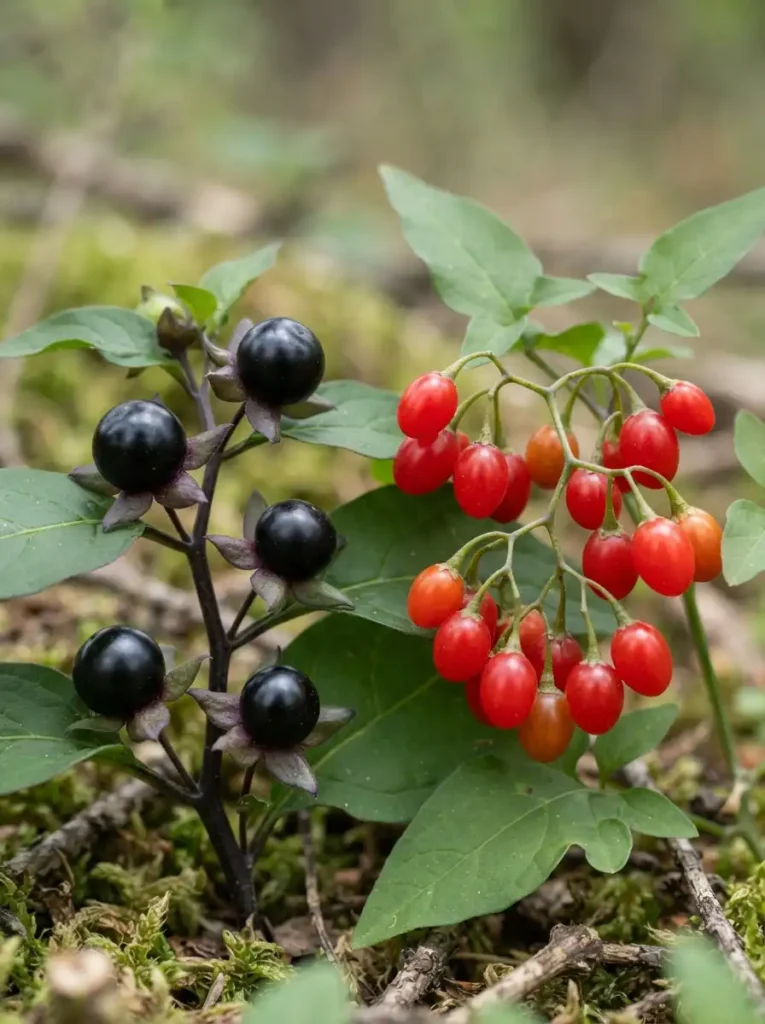
| Atropa belladonna | Deadly nightshade / belladonna | Contains tropane alkaloids; not edible, and the leaves, roots, and fruits are all highly toxic |
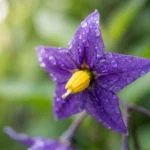
| Solanum dulcamara | Bittersweet nightshade | Toxic to people and pets; clusters of red berries are the giveaway |
| Datura stramonium | Jimsonweed / thorn apple | Highly hallucinogenic and toxic; spiky seed pods are distinctive |
| Hyoscyamus niger | Henbane | Contains the same tropane alkaloid family as belladonna |
| Mandragora officinarum | Mandrake | Toxic roots, historically tied to folklore for good reason |
Here’s a detail worth burning into memory: deadly nightshade’s tropane alkaloids — including hyoscyamine and hyoscine — are also found in other Solanaceae relatives like henbane, mandrake, and datura, so if you spot one of these in the wild or in an “heirloom seed mix” you didn’t fully vet, treat the whole cluster with the same caution.
How to Tell Them Apart
This is where a lot of gardeners get nervous, and honestly, fair enough. A few quick identification cues:
- Berry color and cluster shape matters a lot. Deadly nightshade produces single, shiny black berries, while bittersweet nightshade grows berries in loose red clusters.
- Flower shape is a tell. Belladonna’s flowers are bell-shaped and dull purple-brown; many edible nightshades have flatter, star-shaped blooms.
- Leaf texture — ovate, ribbed leaves on a 3-to-5-foot woody-based plant is a classic belladonna profile.
- When in doubt, don’t touch, don’t taste. A field guide or plant ID app beats a guess every time (more on tools below).
If you want the full rundown on one especially deceptive member of this group, I’ve gone deep on it in Nightshade Flower 101: The Pretty Plant You Should Probably Not Touch — it’s basically the “know your enemy” companion piece to this post.
Frequently Asked Questions About Nightshade Family Plants
What plants are in the nightshade family? The nightshade family (Solanaceae) includes food crops like tomatoes, potatoes, peppers, and eggplant, ornamental flowers like petunias, and toxic species like deadly nightshade, jimsonweed, henbane, and mandrake.
Which nightshade plants are safe to grow? Tomatoes, potatoes, peppers, eggplant, and tomatillos are safe, well-established food crops. Ornamentals like petunias and flowering tobacco are also common, low-risk garden additions when kept away from curious mouths.
Which nightshade plants should I avoid? Skip deadly nightshade (belladonna), bittersweet nightshade, jimsonweed, henbane, and mandrake, especially if you have young kids, pets, or livestock with easy yard access.
Are tomatoes and potatoes nightshades? Yes. Both are classic Solanaceae food crops — the ripe fruit and tubers are safe to eat, but the green foliage and unripe parts contain compounds that can cause mild stomach upset.
Is black nightshade poisonous? It depends on the species and ripeness, and honestly, it’s contested enough that it’s not worth the gamble in a home garden. Some regional varieties of black nightshade are eaten when fully ripe and cooked, but unripe berries and foliage contain solanine, a toxic alkaloid that can cause gastrointestinal irritation and neurological symptoms. When in doubt, don’t eat wild black nightshade.
More Secondary Questions Gardeners Search For
What is deadly nightshade? Deadly nightshade, or Atropa belladonna, is one of the most toxic plants in the Solanaceae family. Every part of it — leaves, roots, berries — is dangerous, and it has a long, dark history in folklore and poisoning cases alike.
How can I identify nightshade plants? Look at berry shape and color, flower structure, and leaf texture together — no single feature is a reliable ID on its own. A hand lens and a solid field guide make a real difference here.
Are all nightshade plants toxic? No. This is the biggest misconception about the family. Many nightshades are dinner-table staples; a smaller subset is genuinely dangerous. Context and species matter far more than the “nightshade” label alone.
Which nightshade plants are edible? Tomatoes, potatoes, peppers, eggplant, tomatillos, and ground cherries are the well-established edible members of the family.
What are the symptoms of nightshade poisoning? Symptoms can include nausea, vomiting, dilated pupils, rapid heartbeat, confusion, and in severe cases, hallucinations or collapse. If you suspect poisoning in a person, contact Poison Control or seek emergency care immediately.
Are nightshade vegetables bad for you? For most people, no — nightshade vegetables like tomatoes and peppers are nutritious, everyday foods. A small number of people report sensitivity to compounds in nightshades, but there’s no strong evidence they’re broadly harmful for the general population.
Can I grow ornamental nightshades safely? Generally yes, as long as you know which species you’re planting and keep them out of reach of pets and small children who might sample the berries or flowers.
Which nightshade plants are toxic to pets? Quite a few. Black nightshade, for example, is toxic to dogs, cats, and horses, with clinical signs including hypersalivation, vomiting, diarrhea, drowsiness, and confusion. Bittersweet nightshade and deadly nightshade carry similar risks.
Which nightshade plants are most dangerous for children? Deadly nightshade and jimsonweed top the list — their berries and seed pods can look tempting to a curious kid, and just a handful of deadly nightshade berries can be enough to kill a child.
A Quick Word on Pet Safety
If you share your yard with a dog or cat, this section is non-negotiable. The ASPCA lists nightshade as toxic to dogs, cats, and horses, and symptoms can escalate quickly if a pet gets into the wrong plant. Keep an eye on any wild nightshade creeping in along fences or in shady, neglected corners of the yard — that’s usually where bittersweet nightshade likes to sneak in uninvited.
If you’re designing a yard specifically with pets or kids in mind, it’s worth pairing this knowledge with a broader plan — I put together 10 Best Non-Toxic Flowers for Front Yard Curb Appeal (Pet & Kid Safe) for exactly that purpose.
Tools That Actually Help With Nightshade Identification
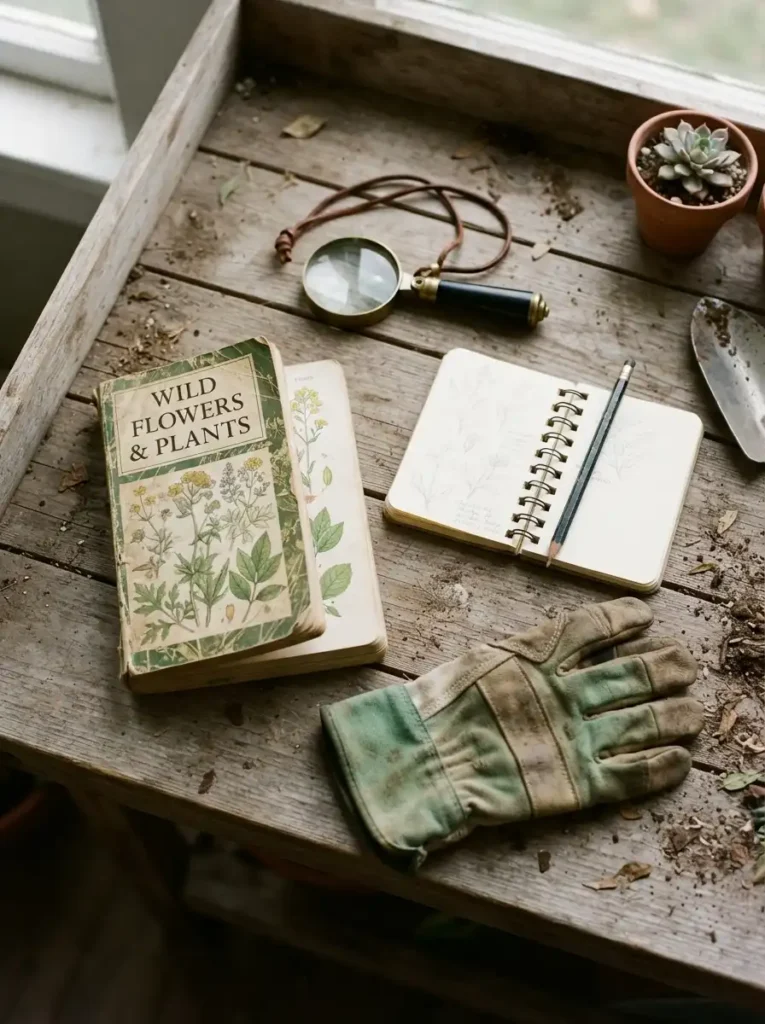
You don’t need a botany degree, but a few practical tools make identification a lot less stressful:
- A solid plant identification field guide for on-the-spot ID
- A garden plant ID app for quick smartphone checks
- A hand lens to inspect flower and leaf detail up close
- Gardening gloves any time you’re handling an unfamiliar plant
- A first aid kit and the poison control number posted somewhere visible at home, just in case
None of this needs to be expensive or fancy — it’s about having the right five-minute check available before you commit to planting (or before your dog commits to tasting).
The Bottom Line
The nightshade family is proof that plants don’t fit neatly into “good” or “bad” — it’s really about knowing which specific species you’re dealing with. Your tomato patch and a patch of deadly nightshade share a family tree, but that’s about all they have in common. Learn the shapes, learn the berries, keep the dangerous ones out of reach, and you get to enjoy everything this family does well: incredible dinners, gorgeous ornamentals, and honestly, a pretty great conversation starter next time someone asks why your potatoes and your poisonous weeds are related.
Got a nightshade in your yard you’re not 100% sure about? Drop a description (or a photo, if you’re posting this elsewhere) and let’s figure it out together — better safe, and well-fed, than sorry.