
Let’s be honest: nobody invites friends over for s’mores and a face full of smoke. You know the drill — you sit down, the wind shifts, and suddenly you’re the human chimney for the next twenty minutes. If you’ve ever played “musical chairs” around a fire pit trying to dodge smoke, you already understand why the diy smokeless fire pit trend blew up.
The good news? You don’t need a welding certification or a four-figure budget to get a cleaner burn in your own backyard. With the right fire ring insert, some smart airflow, and dry wood, you can build something that rivals the pricey store-bought versions — for a fraction of the cost. Below are 12 ideas, a few tables to help you compare your options, and answers to the questions people ask most.
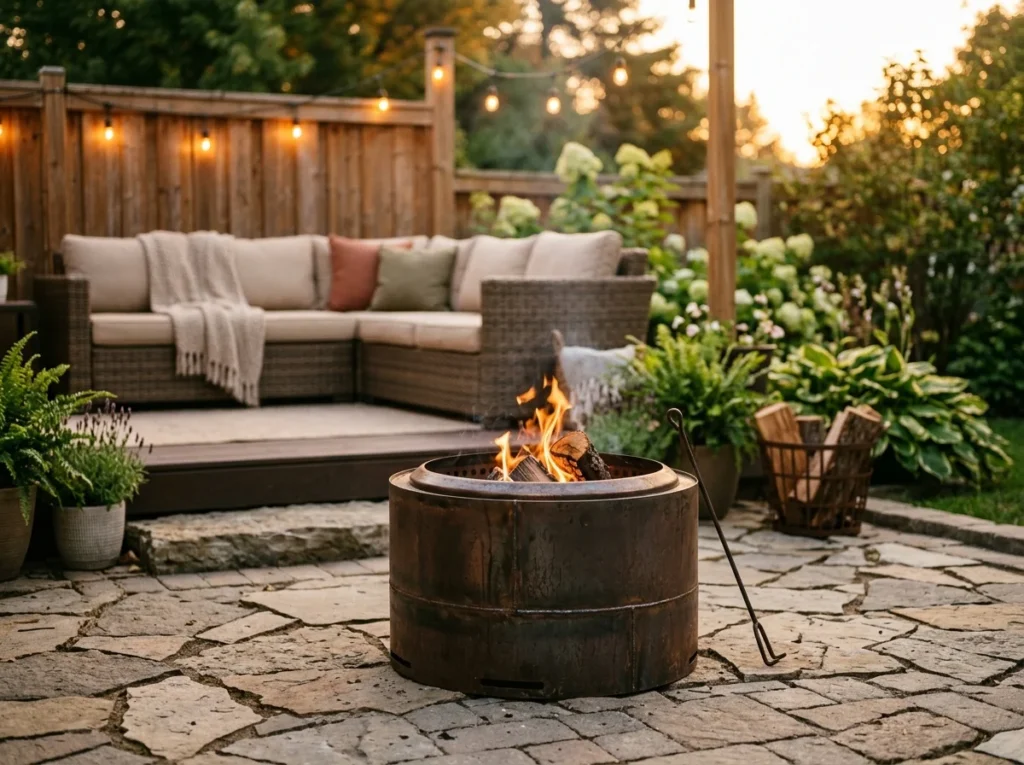
Table of Contents
How a Smokeless Fire Pit Actually Works
Before you grab a grinder, it helps to know why these things burn cleaner. Most smokeless fire pit designs use a double wall fire pit structure: an inner wall holds the fire, and an outer wall creates a gap. Cool air gets pulled in through bottom vents, heats up in that gap, then shoots out through small holes near the top of the inner wall. That superheated air re-ignites the smoke and unburned gas before it ever reaches your eyes — a process nerds (lovingly) call secondary combustion.
It’s basically the fire pit doing its own homework, burning fuel it would otherwise waste as smoke. Cool trick, right?
1. The Classic Fire Ring Insert Build
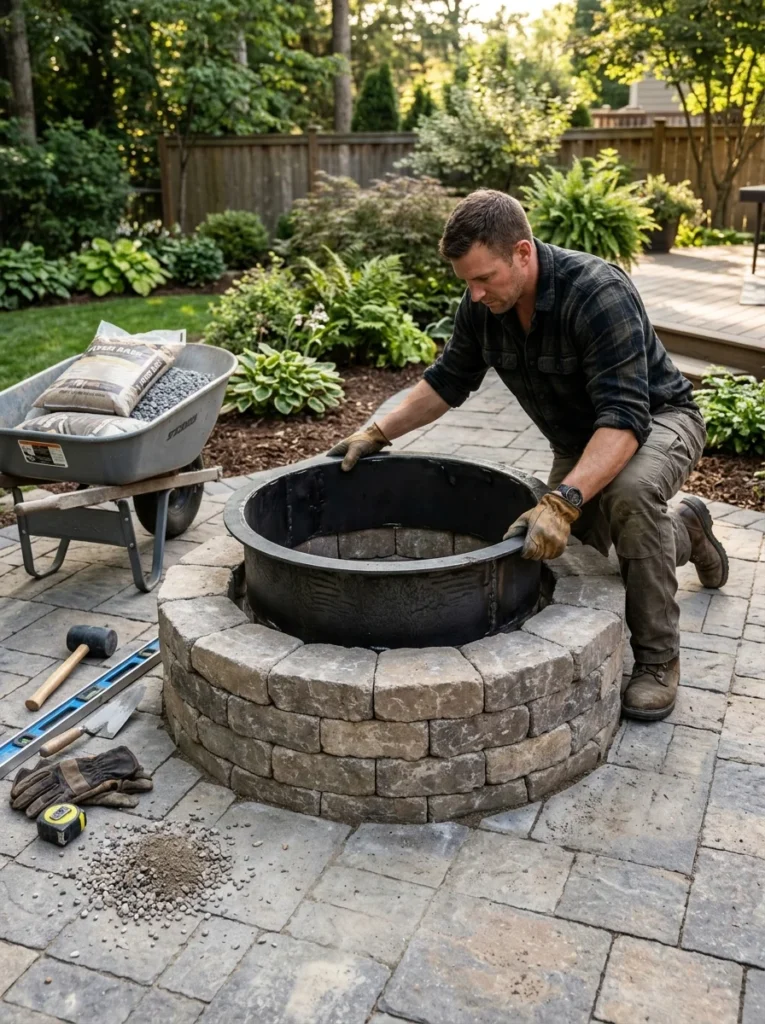
This is the most beginner-friendly path. Buy a fire ring insert, drop it into a stone or paver shell, and you’re most of the way to a working vented fire pit. Inserts already come with airflow holes engineered for you, so there’s no cutting metal at all.
2. Steel Drum Double-Wall Pit
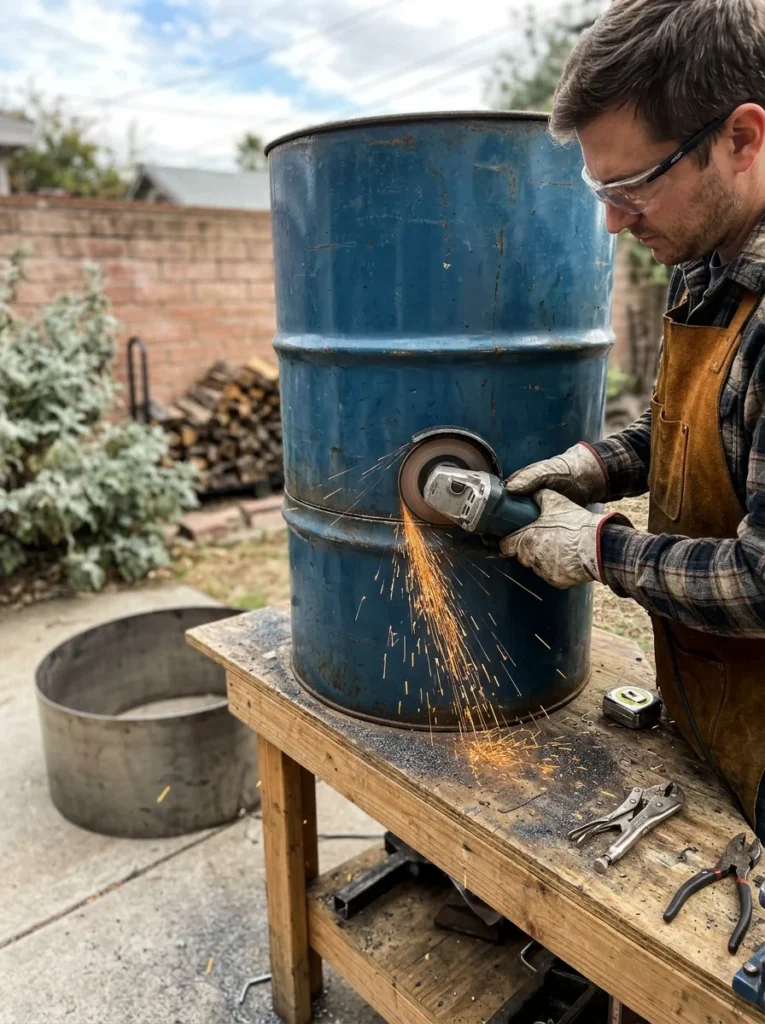
A 55-gallon steel drum cut down to size makes a solid double-wall base for a bigger backyard build. You’ll need an angle grinder and metal cut-off wheels to size it, plus a hole saw kit for the airflow holes. This is the go-to for anyone who wants a bigger outdoor fire pit that still burns clean.
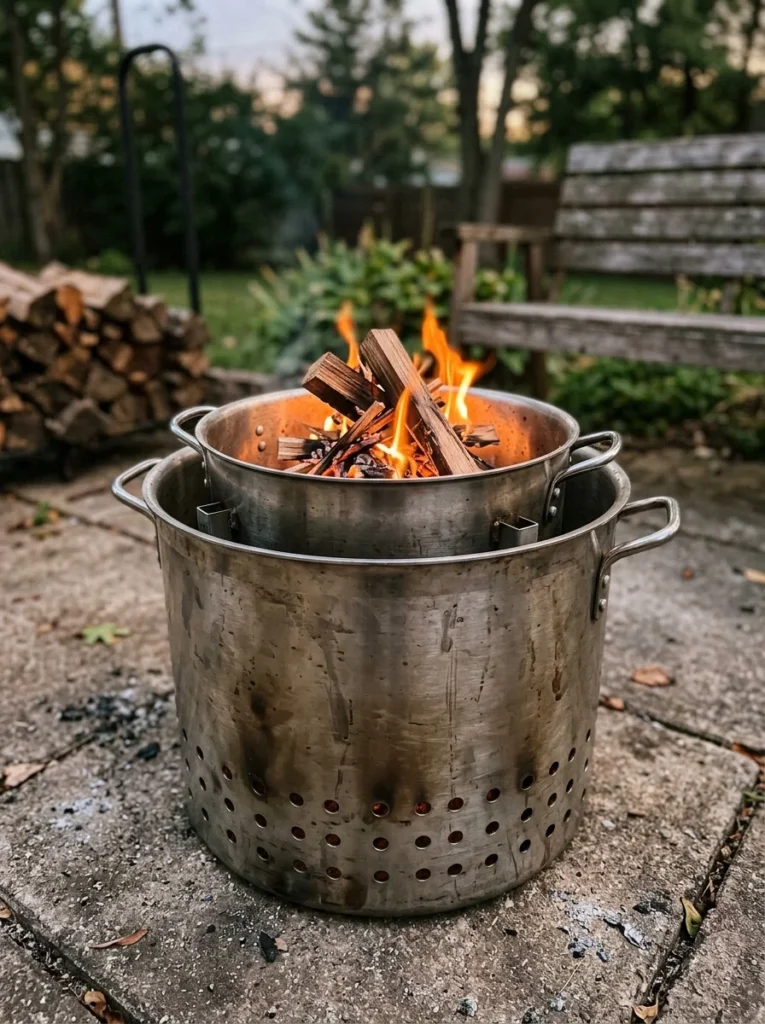
3. No-Weld Stock Pot Pit
If welding sounds intimidating, a stainless stock pot can become a small no-weld diy solo stove style fire pit. Nest a smaller pot inside a larger one, drill vent holes with a drill and metal bits, and you’ve got a portable smokeless fire pit you can move around the yard — or even take camping.
4. Tabletop Smokeless Fire Pit
Craving ambiance without the bonfire? A double-wall stainless water bottle repurposed into a mini burner makes a surprisingly good tabletop smokeless fire pit for patio tables or small balconies. It won’t heat a crowd, but it’s perfect for a cozy dinner glow.

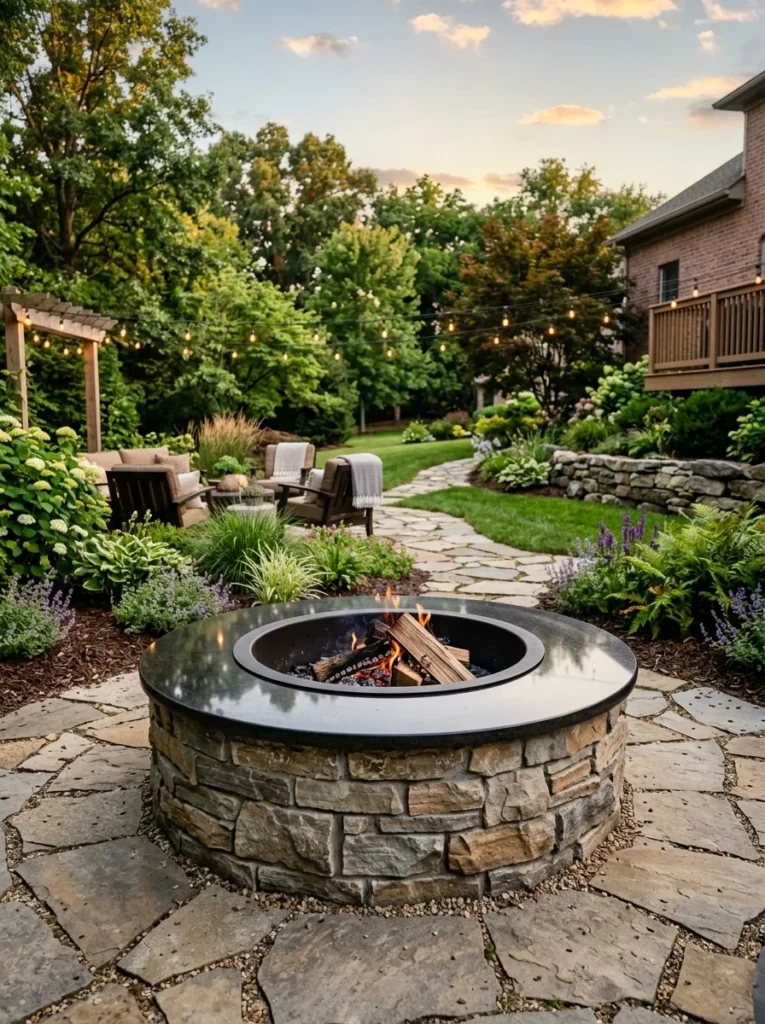
5. Stone-and-Paver Shell With Steel Ring
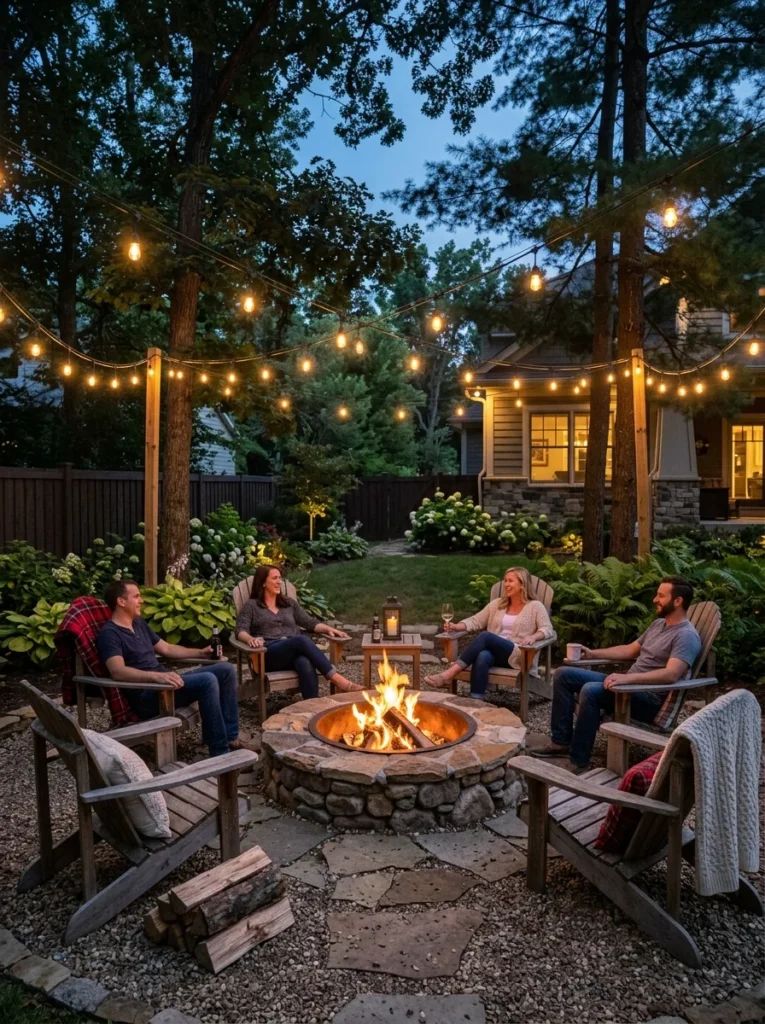
For a build that actually looks landscaped instead of improvised, pair retaining wall blocks or paver stones with a steel fire ring insert. Top it with granite caps for a finished edge that looks like it came from a magazine spread. If you’re already reworking your yard, this pairs nicely with ideas from 15 Small Backyard Garden Ideas That’ll Make Every Inch Count.
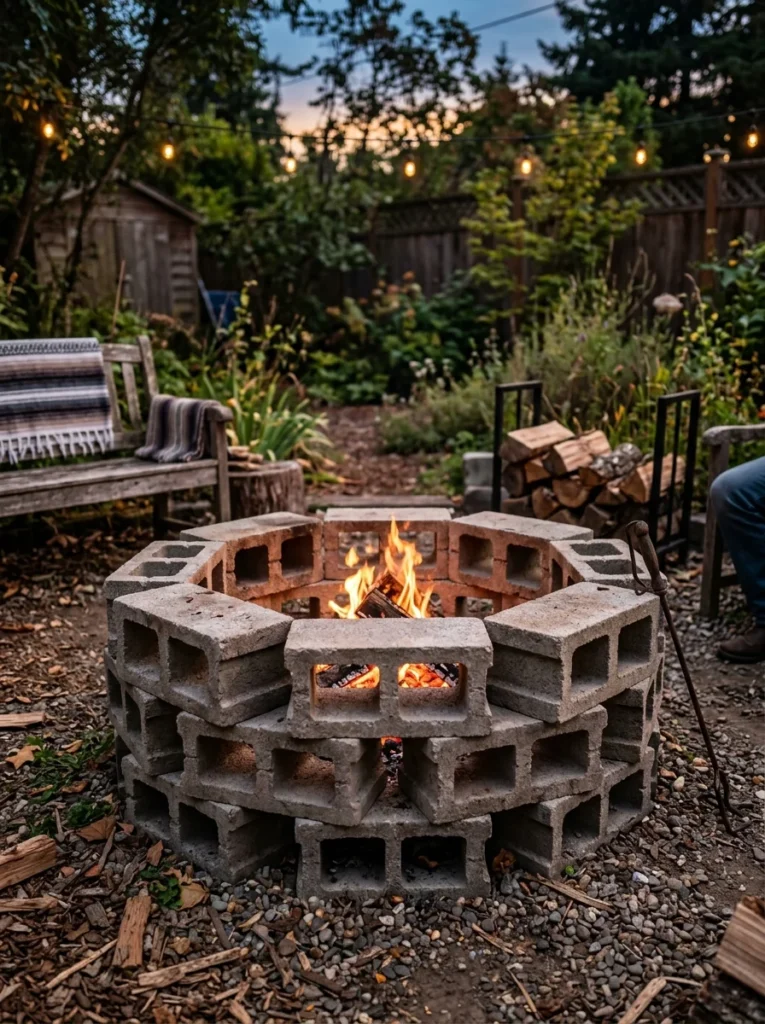
6. High-Airflow Cinder Block Pit
Cinder blocks stacked with gaps left for airflow create a budget-friendly fire pit with airflow built right in. It’s rustic, cheap, and forgiving if your cuts aren’t perfectly straight.
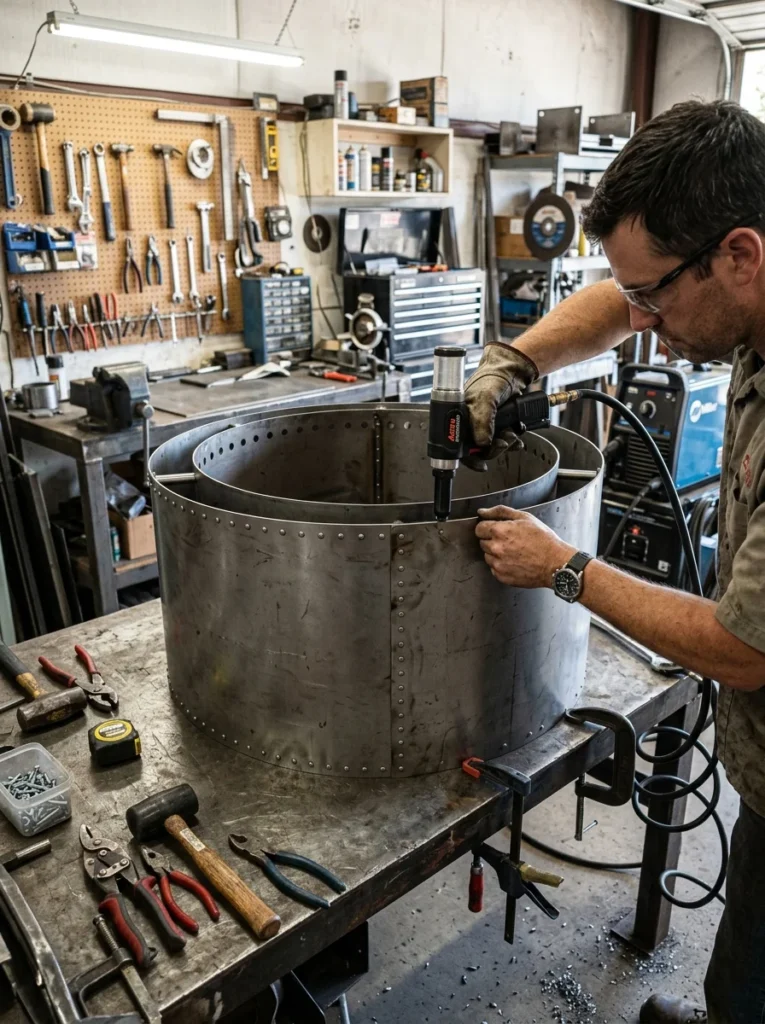
7. Riveted Sheet-Metal Pit (No Welding Needed)
Using a rivet gun instead of a welder, you can assemble a sheet-metal double-wall pit with clean seams. It takes patience, but it’s a great fire pit diy option if you don’t own — or want to rent — welding gear.
8. In-Ground Smokeless Fire Pit
Dig a shallow pit, line it with a fire ring insert, and you’ve got a low-profile smokeless fire pit design that stays hidden until lit. Great for yards where you don’t want a bulky structure dominating the view.
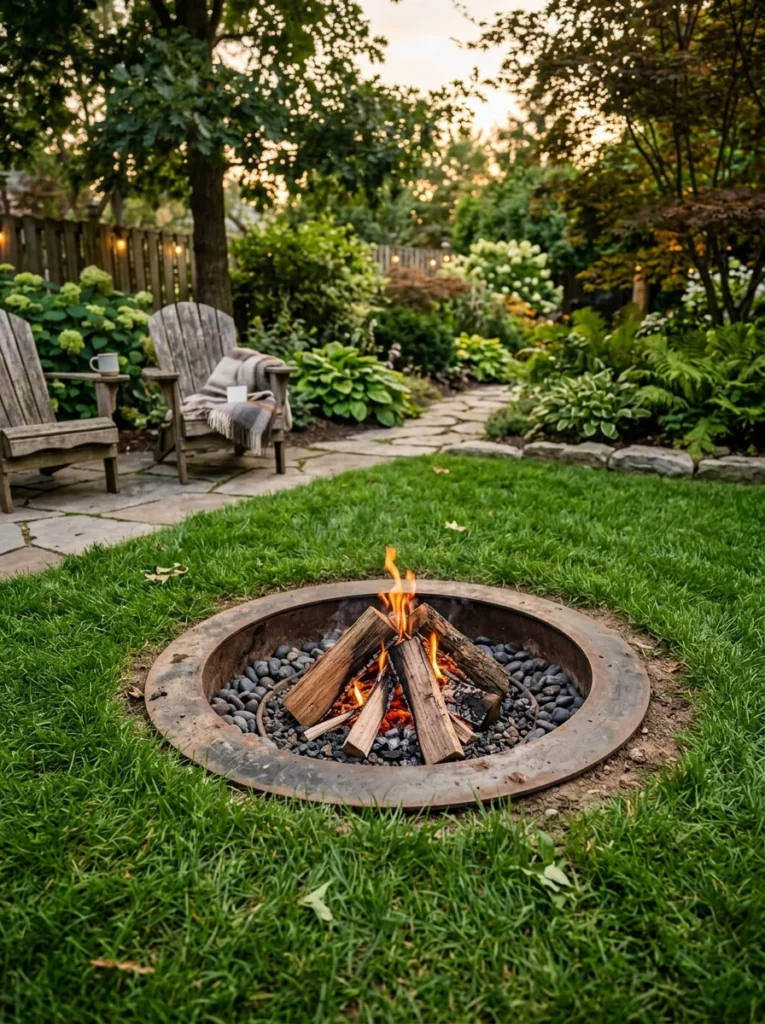
9. Painted Steel Statement Pit
Once your build is done, a coat of heat-resistant paint turns a purely functional pit into a backyard centerpiece. Matte black and weathered bronze are trending right now for a moodier, upscale look.
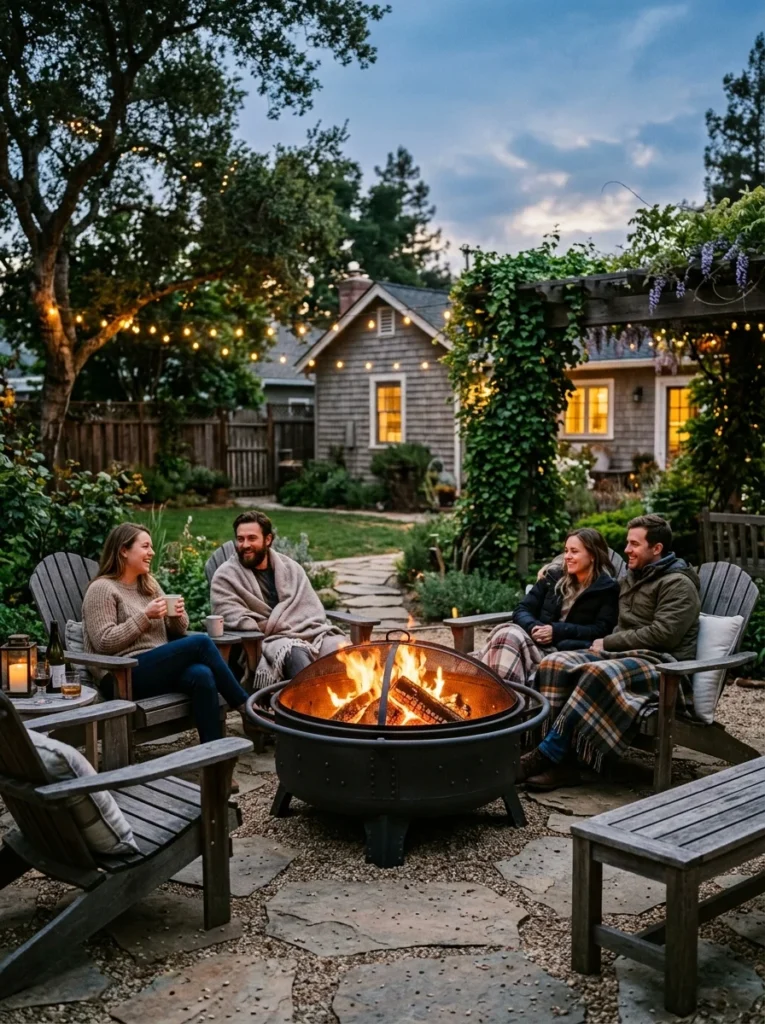
10. Budget Cheap DIY Fire Pit
Short on cash? A cheap diy fire pit can still burn clean using a smaller ring insert and a simple block circle — no fancy finishing required. Function first, aesthetics later.
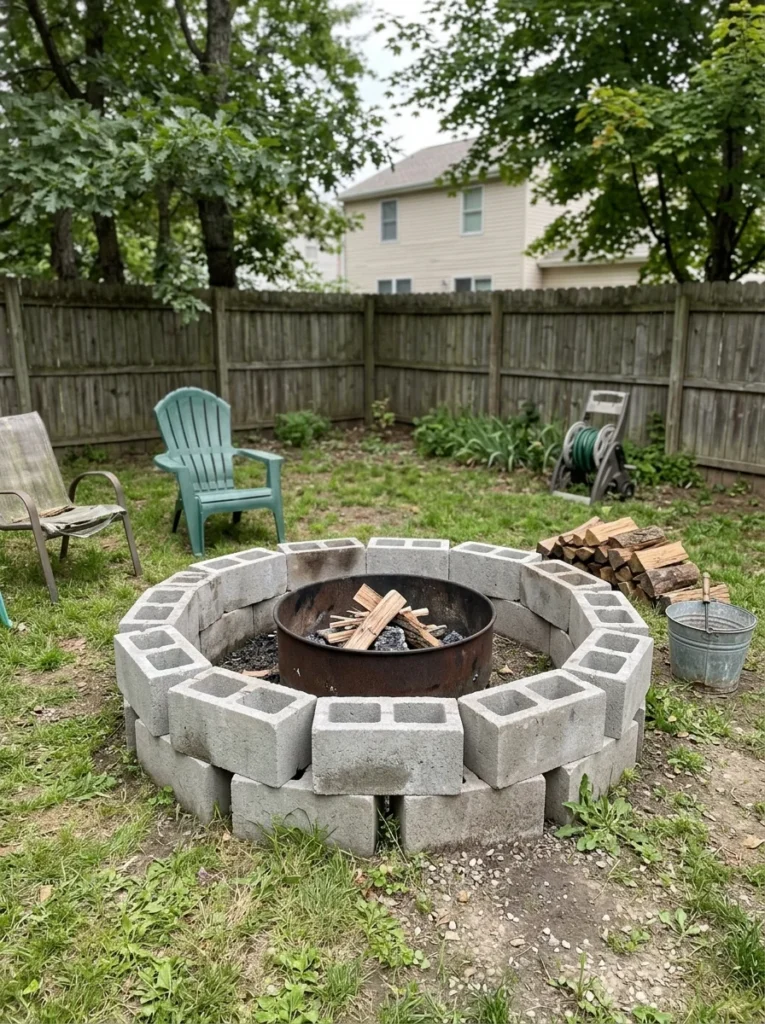
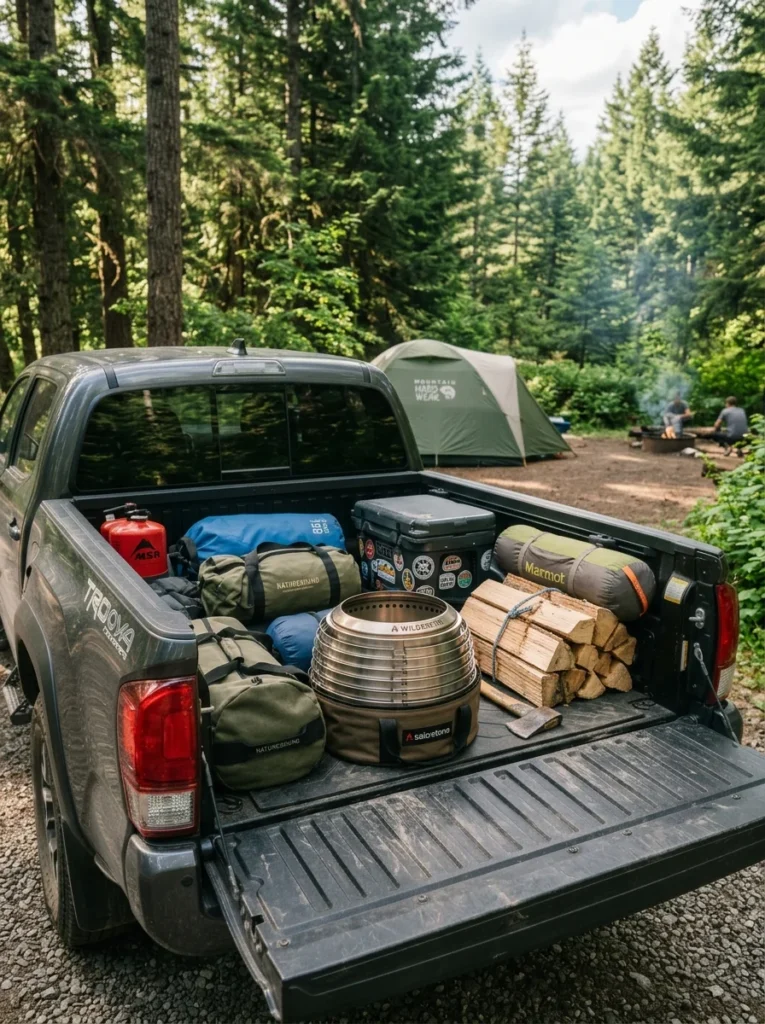
11. Camping-Ready Smokeless Setup
Building a smokeless campfire setup for camping trips usually means going smaller and lighter — think collapsible double-wall inserts you can pack in a truck bed.
12. Seating-Ready Fire Pit Zone
Whatever build you choose, plan the space around it. Check out 15 Backyard Fire Pit Seating Arrangements for layout inspiration once your pit is finished.
Build Comparison Table
| Build Type | Skill Level | Approx. Cost | Weld Required? | Best For |
|---|---|---|---|---|
| Fire Ring Insert + Stone Shell | Beginner | $$ | No | Most backyards |
| Steel Drum Double-Wall | Intermediate | $ | Optional | Larger gatherings |
| Stock Pot No-Weld | Beginner | $ | No | Small patios |
| Tabletop Version | Beginner | $ | No | Balconies, small spaces |
| Cinder Block High-Airflow | Beginner | $ | No | Tight budgets |
Materials Checklist by Build
| Category | Common Materials |
|---|---|
| Structure | Fire ring insert, steel drum, stock pot, cinder blocks |
| Cutting Tools | Angle grinder, metal cut-off wheels, hole saw kit |
| Assembly | Drill and metal bits, rivet gun |
| Finish | Heat-resistant paint, granite caps |
| Safety | Welding gloves, safety glasses, ear protection |
| Fuel | Seasoned hardwood firewood, moisture meter, fire starters |
Frequently Asked Questions
How does a DIY smokeless fire pit work? It relies on double-wall airflow. Air heats up between the walls and re-burns smoke before it escapes, which is the same secondary combustion concept used in store-bought models.
Is a smokeless fire pit really smoke-free? Not 100% — “smokeless” is more like “low smoke.” You’ll still see a bit at startup, but far less once the fire’s established.
What materials do I need to build one? At minimum: a fire ring or insert, something to cut metal (if you’re not using a pre-made ring), and dry hardwood.
Can I convert an existing fire pit into a smokeless one? Sometimes. If there’s room for a double-wall insert or additional airflow holes, you can retrofit an existing pit rather than starting over.
What size should a DIY smokeless fire pit be? It depends on your space and group size, but most backyard builds land between 20–24 inches in diameter.
Do I Need a Fire Ring or Insert?
Technically, no — but it makes life much easier. A fire ring insert is pre-engineered for airflow, so you skip a lot of trial and error.
What Kind of Wood Works Best?
Dry, seasoned hardwood firewood is non-negotiable. Wet or green wood smokes no matter how good your airflow design is. A moisture meter for firewood takes the guesswork out of it.
Do Smokeless Fire Pits Need Airflow Vents?
Yes — vents are the whole mechanism. Without them, you just have a regular pit that happens to look fancier.
Can I Build One Without Welding?
Absolutely. Stock pot builds, riveted sheet metal, and pre-made ring inserts all skip welding entirely.
Is a Smokeless Fire Pit Safe on a Patio or Deck?
Only with proper clearance and a heat-resistant base. Always check local fire codes before placing one on a wood deck.
How Much Does a DIY Smokeless Fire Pit Cost?
Budget builds can run under $100, while stone-and-steel builds with finished caps can reach $300–$500 depending on materials.
Can I Make a Tabletop Smokeless Fire Pit?
Yes — smaller double-wall vessels like an insulated water bottle shell work well for compact tabletop versions.
What’s the Difference Between a Solo Stove-Style Pit and a Regular Fire Pit?
A secondary combustion fire pit re-burns smoke through double-wall airflow. A regular pit just burns wood in open air, smoke and all.
Why Does My Smokeless Fire Pit Still Smoke at Startup?
Cold metal and damp kindling are the usual culprits. Give it a few minutes to reach temperature before expecting a clean burning fire pit result.
How Do I Clean and Maintain a Smokeless Fire Pit?
Empty ash regularly, keep the vent holes clear of debris, and touch up heat-resistant paint if the finish starts to wear.
If you’re reworking more of the yard around your new build, this list of 20 Witchy Garden Ideas That’ll Transform Your Yard Into a Magical Sanctuary pairs surprisingly well with a moody fire pit setup.
Final Thoughts
A diy smokeless fire pit doesn’t have to be complicated — pick a build that matches your tools and budget, prioritize airflow and dry wood, and you’ll have a backyard centerpiece that actually lets you enjoy the fire instead of running from it. Which build are you trying first? Drop a comment and let us know.