

You water it. You prune it. You proudly show it off to the neighbors. And somewhere in the middle of all that pride, your favorite flower bed might be quietly plotting against you.
I know, dramatic. But here’s the truth: some of the most gorgeous plants in American yards are also some of the most poisonous garden plants you could plant right next to the swing set. Oleander looks like a beach postcard. Foxglove looks like something out of a fairy tale. Lily of the valley smells like heaven. And all three can make a very bad day for a curious toddler or a snack-happy dog.
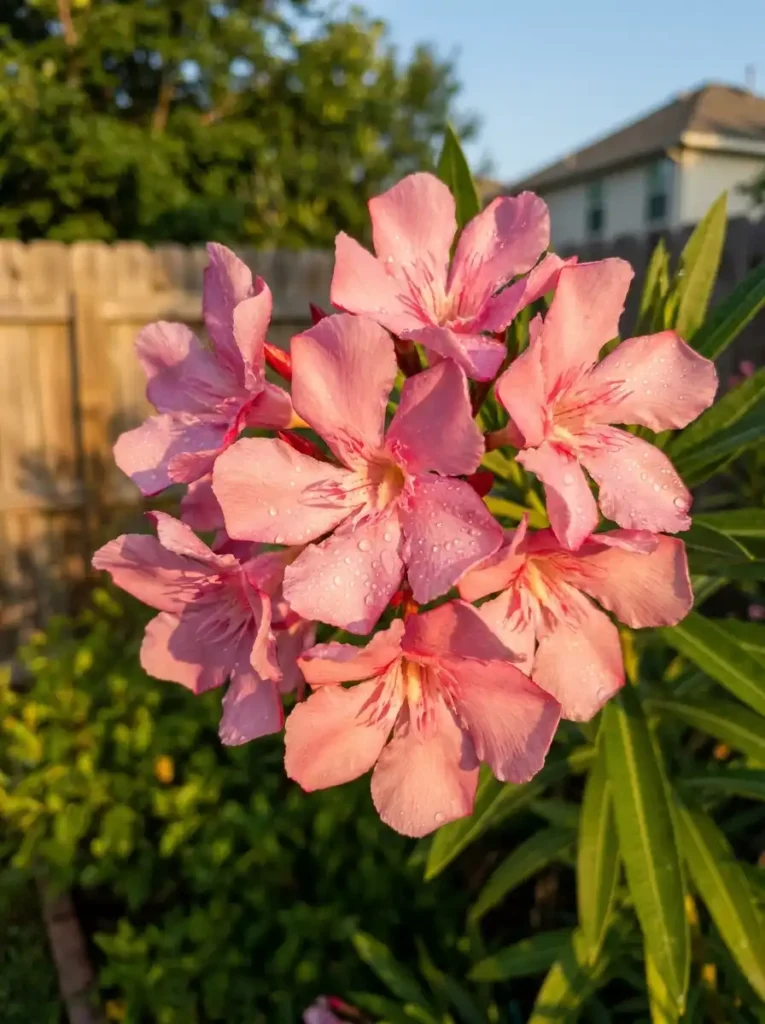
This isn’t a scare tactic — it’s a “know before you grow” guide. By the end of this post, you’ll be able to spot the usual suspects, understand which parts of the plant are actually toxic garden plants, and know exactly what to do if someone (two-legged or four-legged) takes an unauthorized bite. Let’s dig in.
Table of Contents
What Are Poisonous Garden Plants?
Poisonous garden plants are ornamental or landscaping plants that contain compounds capable of causing illness, irritation, or in rare cases, death, if ingested, touched, or inhaled. Some are dangerous only if you eat the leaves or seeds. Others can irritate your skin just by brushing past them on a hot afternoon.
Here’s the part that catches people off guard: toxicity doesn’t correlate with how “wild” or “weedy” a plant looks. Some of the deadliest offenders are the manicured, catalog-perfect specimens sold at your local garden center — no warning label included.
How Can I Identify Poisonous Plants in My Garden?
Identification comes down to three habits:
- Learn the scientific name, not just the nickname. “Angel’s trumpet” sounds harmless. Brugmansia is a member of the nightshade family and is anything but.
- Photograph and log what you plant. A quick picture with your phone, paired with a note in a field journal, saves you a frantic Google search later (or a call to poison control).
- Cross-reference with a trusted plant guide. A physical field guide or a reputable plant ID app removes the guesswork — especially for lookalikes.
If you want to go deeper on plant care and identification habits, our guide on how to propagate pothos is a good companion read — pothos is actually one of the more common houseplants that’s mildly toxic to pets, so the same identification instincts apply indoors too.
The 10 Poisonous Garden Plants to Know
| # | Plant | Toxic Parts | Danger Level |
|---|---|---|---|
| 1 | Oleander | All parts | Severe (humans & pets) |
| 2 | Foxglove | All parts, especially leaves | Severe |
| 3 | Lily of the Valley | All parts | Severe |
| 4 | Castor Bean | Seeds (contains ricin) | Extremely severe |
| 5 | Azalea / Rhododendron | Leaves, flowers, nectar | Moderate to severe |
| 6 | Daffodil | Bulb | Moderate |
| 7 | Hydrangea | Leaves, buds | Mild to moderate |
| 8 | Wisteria | Seeds, pods | Moderate |
| 9 | Yew | Needles, seeds (not the red aril) | Severe |
| 10 | Angel’s Trumpet (Datura/Brugmansia) | All parts | Severe |
1. Oleander
If curb appeal had a mascot, oleander might win. Pink, white, or red blooms, drought tolerance, and it thrives in USA hardiness zones 8–11. Unfortunately, every single part of this shrub — leaves, stems, flowers, even the sap — contains cardiac glycosides that can affect heart rhythm in humans and animals. Even the smoke from burning oleander clippings is dangerous. Handle with gloves, and never let livestock or pets near it.
2. Foxglove
Foxglove’s tall, bell-shaped blooms are basically an English cottage garden in plant form. It’s also where the heart medication digoxin originally came from — which tells you everything about its potency. A few leaves can cause nausea, irregular heartbeat, and worse. Gorgeous? Absolutely. Kid-and-pet zone appropriate? Hard no.
3. Lily of the Valley
Small, bell-shaped, fragrant — and one of the more deceptively poisonous flowers in American gardens. Ingesting the leaves or the tiny red berries can cause vomiting, an irregular heartbeat, and blurred vision. If you have young kids who like to pick “pretty white bells,” this one’s worth relocating to a spot they can’t reach.
4. Castor Bean
Castor bean is grown as an ornamental for its dramatic, tropical-looking leaves — but its seeds contain ricin, one of the most toxic naturally occurring substances on the planet. A single seed can be dangerous to a child if chewed and swallowed. If you already have this plant, consider whether the visual payoff is worth the risk, especially with pets or kids in the yard.
5. Azalea and Rhododendron
Common in foundation plantings across the country, azaleas and rhododendrons contain grayanotoxins in their leaves and nectar. Even honey made from their pollen (so-called “mad honey”) can cause illness. Dogs that chew on the leaves can experience vomiting, weakness, and cardiac issues.
6. Daffodil
Daffodils are one of the first signs of spring, and mostly harmless to admire. The danger lives in the bulb — which, unfortunately, looks a lot like an onion to a curious dog or an unsuspecting home cook clearing out a flower bed. Ingesting the bulb can cause vomiting, diarrhea, and abdominal pain.
7. Hydrangea
Hydrangeas are a landscaping favorite for their big, color-changing blooms. The leaves and flower buds contain compounds that release cyanide when metabolized in large enough quantities. Mild exposure usually just causes stomach upset, but it’s still one to keep an eye on with pets that like to graze.
8. Wisteria
Those cascading purple blooms over a pergola are basically real estate listing bait. But the seeds and pods inside wisteria’s decorative pods are mildly to moderately toxic and can cause vomiting and diarrhea if chewed by kids or pets. Enjoy the view, but sweep up the dropped pods.
9. Yew
Yew hedges are the classic, tidy, evergreen backbone of a lot of American landscaping — and also one of the most toxic shrubs and hedges you can plant. The needles and seeds (not the fleshy red aril around the seed) contain taxines, which can cause fatal heart arrhythmias in both humans and animals. This one deserves respect and distance from grazing pets.
10. Angel’s Trumpet
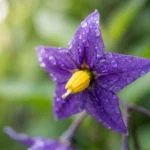
Angel’s trumpet produces huge, fragrant, trumpet-shaped flowers that droop dramatically at dusk — stunning, and also a full-blown nightshade relative. Every part of the plant contains tropane alkaloids that can cause hallucinations, rapid heartbeat, and severe illness. For a deeper look at how nightshade-family plants pull off looking innocent while being anything but, check out our piece on the nightshade flower you should probably not touch.
Which Common Garden Plants Are Toxic to Children?
Kids explore with their hands and mouths before their brains catch up, which makes low-growing, brightly colored, or berry-producing plants the biggest risk. Oleander, lily of the valley, castor bean, and daffodil bulbs top the list because they’re either visually tempting (bright berries, pretty bells) or accessible at toddler height.
A simple rule of thumb: if a plant produces berries, bulbs, or seed pods that a child could mistake for candy or snacks, treat it as high-priority for relocation or fencing.
Which Garden Plants Are Toxic to Dogs and Cats?
Pets don’t read warning labels, and cats especially are prone to chewing on greenery out of curiosity or boredom. The biggest offenders for poisonous plants for pets include:
- Oleander (severe, all parts)
- Azalea/Rhododendron (moderate to severe)
- Lily of the Valley (severe — note: true lilies, like Easter lilies, are a separate and extremely dangerous category specifically for cats, even in small amounts)
- Sago palm (not on our main list, but worth flagging — extremely toxic to dogs)
- Yew (severe)
If you have both a garden and a four-legged shadow following you around it, cross-check every new plant against the ASPCA’s toxic and non-toxic plant list before it goes in the ground.
Are All Parts of a Poisonous Plant Toxic?
Not always. Some plants are only dangerous in specific parts — daffodil bulbs versus the flower itself, for example, or yew needles versus the fleshy (non-seed) part of the red aril. Others, like oleander and angel’s trumpet, are dangerous stem to root. When in doubt, treat the entire plant as off-limits rather than trying to memorize which specific part is “the safe one.”
What Should I Do If a Child or Pet Eats a Poisonous Plant?
Stay calm, then move fast:
- Remove any remaining plant material from their mouth if it’s safe to do so.
- Do not induce vomiting unless a medical professional specifically tells you to.
- Call for help immediately. For humans, contact Poison Control at 1-800-222-1222 (available 24/7 in the U.S.). For pets, call the ASPCA Animal Poison Control Center or your local emergency vet.
- Bring a sample or photo of the plant with you if you head to an ER or vet clinic — it speeds up treatment significantly.
Are Poisonous Plants Dangerous Just by Touching Them?
Sometimes, yes. While most of the plants on this list are primarily an ingestion risk, some — like euphorbia, poison ivy, and certain sap-producing plants — can cause skin irritation, rashes, or blistering on contact. Oleander sap in particular can irritate skin and eyes. Gloves and long sleeves are cheap insurance during pruning season.
Which Garden Flowers Are Most Poisonous?
Among ornamental blooms, oleander, foxglove, lily of the valley, and angel’s trumpet consistently rank as the most dangerous poisonous flowers in U.S. gardens, largely because of how potent their toxins are relative to the small amount needed to cause harm.
Which Shrubs and Hedges Are Toxic?
Yew and azalea/rhododendron are the two most common toxic hedge and shrub choices in American landscaping. Both are popular precisely because they’re hardy, attractive, and easy to shape — which is exactly why awareness matters more than avoidance.
Which Bulbs and Perennials Should I Avoid (Or Handle Carefully)?
Daffodil bulbs are the most common poisonous bulbs issue, especially during fall planting or spring cleanup when bulbs get dug up and left exposed. Foxglove and lily of the valley are the perennials to handle with the most care, particularly around curious pets and small children.
Can Poisonous Plants Cause Skin Irritation?
Yes — separate from ingestion risk, plants like euphorbia, oleander, and some sap-heavy ornamentals can cause redness, itching, or blistering on contact. If you’re doing a big cleanup or pruning session, gloves and a long-sleeve shirt aren’t overkill, they’re just good sense.
How Do I Make My Garden Safer for Kids and Pets?
A few practical moves go a long way:
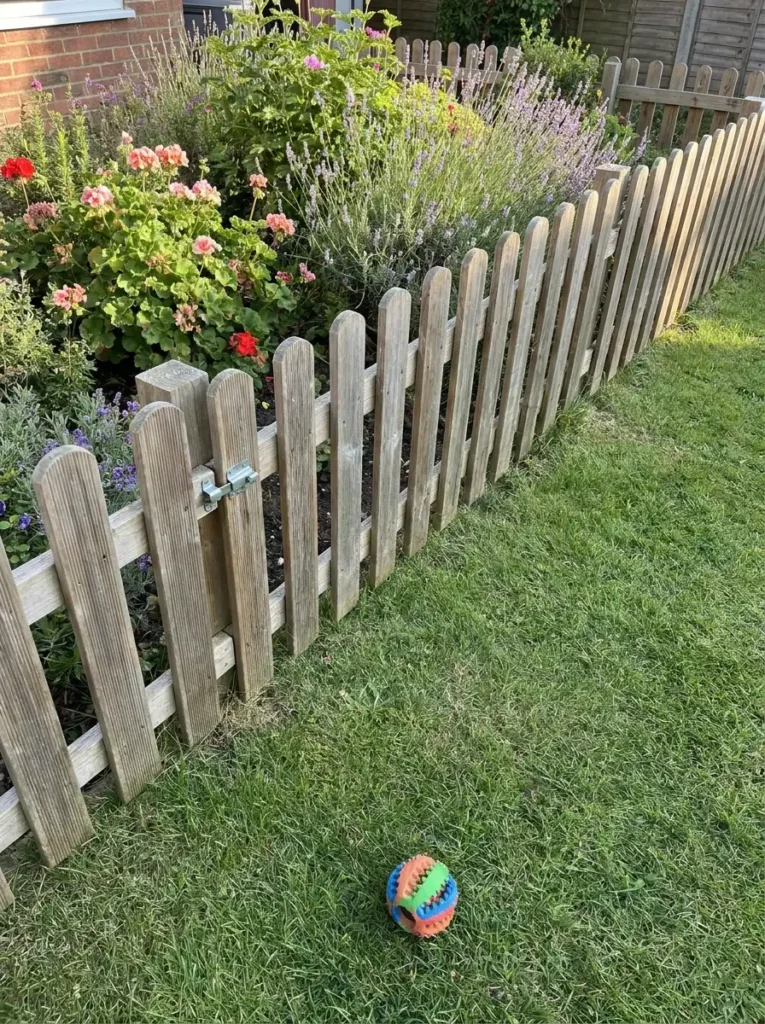
- Zone your yard. Keep the riskiest plants (oleander, foxglove, castor bean) in a fenced or raised area kids and pets can’t casually wander into.
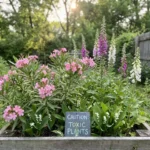
- Label everything. A simple waterproof marker with the plant’s name saves precious time in an emergency.
- Swap where you can. Many toxic ornamentals have safer look-alike alternatives with similar color and shape.
- Teach, don’t just fence. Kids old enough to understand “look but don’t taste the garden” are a safety layer fences can’t replace.
If you’re also working on shaping and maintaining your greenery indoors, our guide to shaping a snake plant into a spiral is a fun (and non-toxic-adjacent) project to try next.
Are There Safe Alternatives to Poisonous Ornamental Plants?
Absolutely, and you don’t have to sacrifice curb appeal. A few safe garden plants swaps:
| Toxic Plant | Safer Alternative |
|---|---|
| Oleander | Hibiscus |
| Foxglove | Snapdragon |
| Lily of the Valley | Sweet Alyssum |
| Azalea | Camellia (mildly toxic but far less severe) |
| Daffodil | Marigold |
What Are the Symptoms of Plant Poisoning?
Symptoms vary by plant and dose, but common warning signs include nausea, vomiting, diarrhea, drooling (in pets), irregular heartbeat, dizziness, difficulty breathing, or skin irritation at the contact site. Severity can range from mild stomach upset to a genuine medical emergency, which is why fast identification matters so much.
When Should I Call Poison Control?
Call immediately — don’t wait to “see if symptoms show up” — any time you suspect a child or pet has ingested any part of a plant you’re unsure about. It’s always better to make the call and be told it’s a minor issue than to wait and lose valuable response time. In the U.S., Poison Control is reachable at 1-800-222-1222, and the National Capital Poison Center has excellent plant-specific reference material. For pets, the ASPCA Animal Poison Control Center is the go-to resource.
Final Thoughts
Your garden shouldn’t feel like a minefield — it should feel like your favorite room without a roof. Knowing which of your plants are on the poisonous garden plants list doesn’t mean tearing everything out; it means gardening with your eyes open. Label what you’ve got, fence off the riskiest spots, keep Poison Control’s number somewhere handy, and enjoy the yard you worked so hard to build.
Got a plant you’re not sure about? Snap a photo, drop it in the comments, and let’s figure out together whether it’s a keeper or a “maybe move that” situation.





1 thought on “10 Poisonous Garden Plants Every Homeowner Should Know”