

If you’ve ever wondered how to shape snake plant into spiral form at home — you’re not alone, and yes, it’s absolutely possible. Your snake plant can be shaped into a gorgeous, architectural coil that looks more like a sculpture than a houseplant. Not a fake, plastic-looking one. A real, living, slowly-trained work of art that sits on your shelf and makes every guest go, “Wait — what is that?”
I’m obsessed with architectural houseplants, and when I first saw someone demonstrate how to shape snake plant into spiral form on a windowsill, I genuinely thought the result was a sculpture. Turns out, it’s just a Sansevieria cylindrica with a little patience and the right technique. And yes — you can do this at home, even if you’re not exactly a plant whisperer.
Let’s get into it.
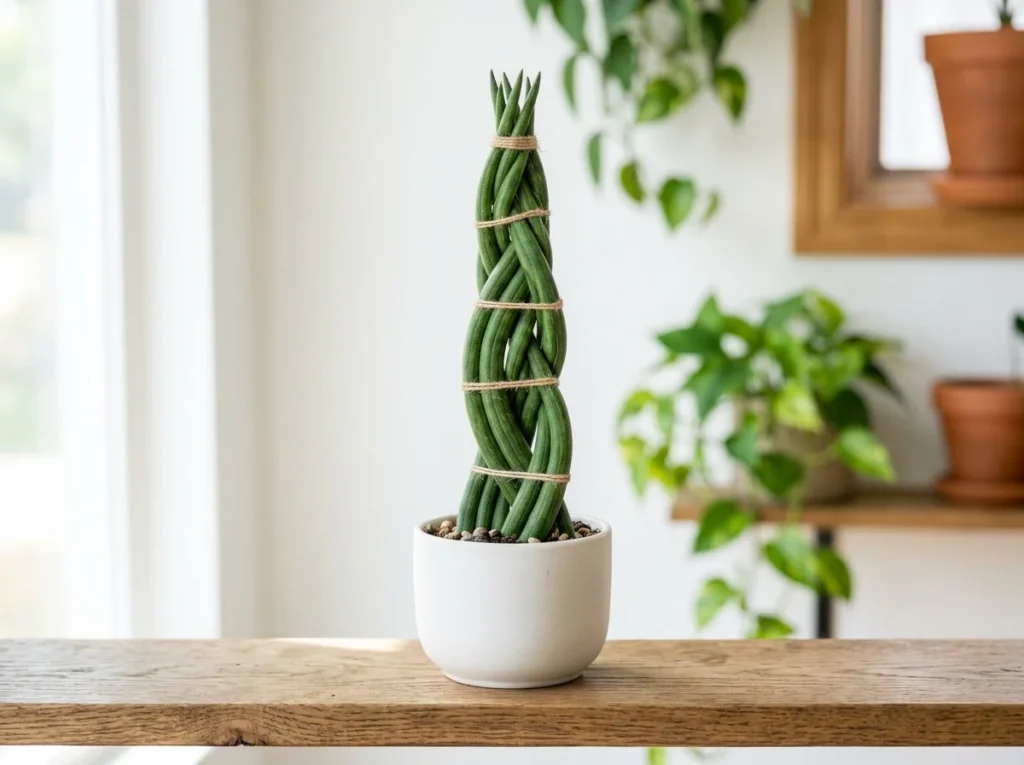
Table of Contents
What Type of Snake Plant Works Best for a Spiral Shape?
Before you start twisting anything, let’s talk varieties. Because not every snake plant is going to cooperate with your spiral dreams.
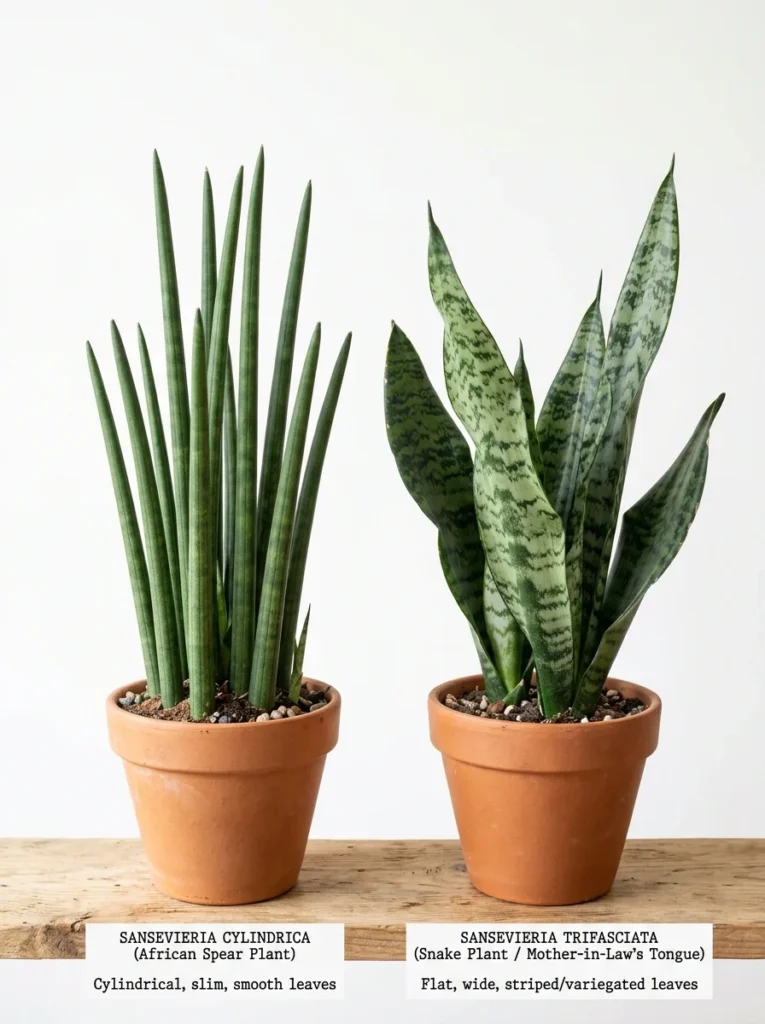
Sansevieria cylindrica (also called the cylindrical snake plant or African spear plant) is the gold standard here. Its round, pointed leaves are stiff but workable — they don’t snap easily, and they hold their shape once trained. Unlike the flat, wide leaves of the common Sansevieria trifasciata, the cylindrical variety is literally built for this.
Other compact varieties like dwarf snake plants can also work, but they’ll give you a tighter, smaller coil rather than a dramatic tall spiral.
Pro tip: Start with a young plant. Mature plants with hardened, established leaves are much harder to train — and you risk cracking them. A young Sansevieria cylindrica from a reputable Etsy seller or a small starter plant is your best bet.
Can a Snake Plant Really Be Shaped Into a Spiral?
Short answer: yes. Longer answer: yes, but it depends on how you define “spiral.”
There are two ways people achieve that iconic snake plant spiral shape:
- Training multiple young leaves to grow together in a coiled arrangement using soft ties and a central support — this is the classic method.
- Purchasing pre-spiraled plants that nurseries have already trained and bound.
The DIY version takes months — sometimes up to a year — but the result is uniquely yours. Think of it less like origami and more like bonsai: slow, intentional, meditative. If you’re the kind of person who also enjoys reading about how to grow hollyhocks into towering cottage garden beauties, this kind of long-game gardening is probably right up your alley.
What You’ll Need: Tools & Supplies
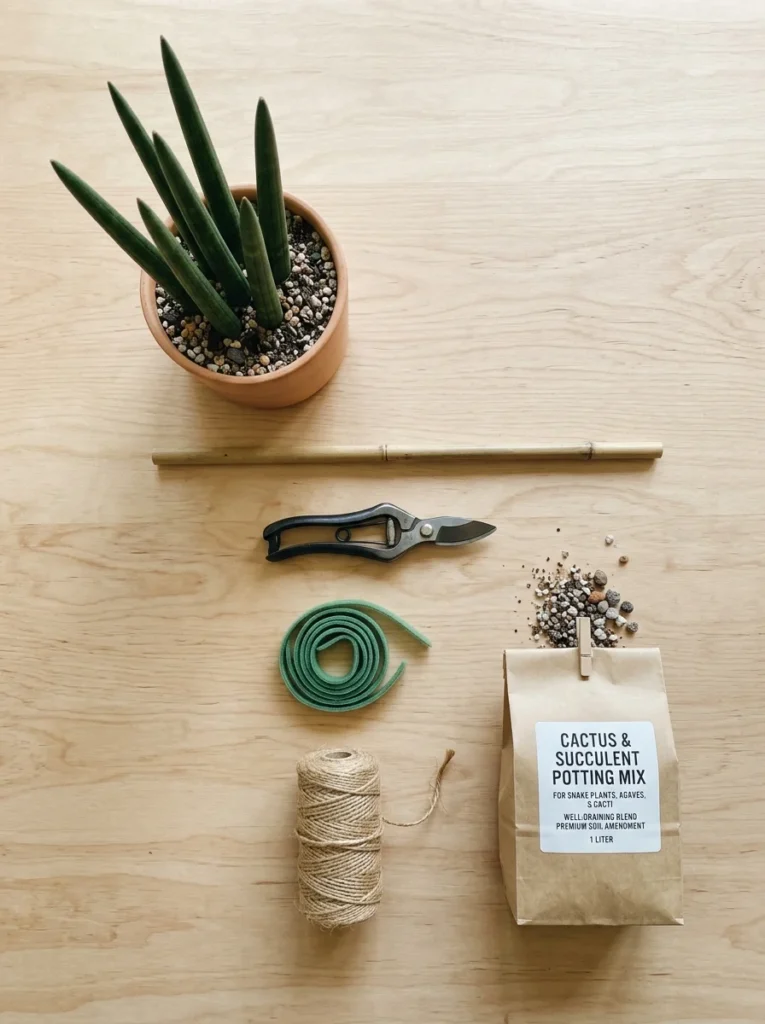
Getting your spiral right isn’t just about technique — it’s about having the right gear. Here’s what I’d recommend:
| Tool/Supply | Why You Need It |
|---|---|
| Sansevieria cylindrica plant | Best variety for training into a spiral |
| Bamboo stake or decorative spiral support | Central guide to wrap leaves around |
| Soft plant ties or Velcro plant tape | Holds the spiral without damaging leaves |
| Garden twine | Simple backup option for binding |
| Small ceramic or heavy-duty planter | Stability is key for upright training |
| Cactus potting mix + perlite | Fast-draining soil for root health |
| Moisture meter | Prevents overwatering (the #1 killer) |
| Grow light | Essential if your space gets low light |
How to Shape Snake Plant Into Spiral: Step-by-Step
Okay, here’s the part you actually came for. Let’s do this.
Step 1: Choose Your Plant Wisely
Start with a young Sansevieria cylindrica that has at least 3–5 leaves clustering close together. You’re not going to spiral a single leaf — you’re going to gather several and coil them together into a unified shape.
Step 2: Set Up Your Support
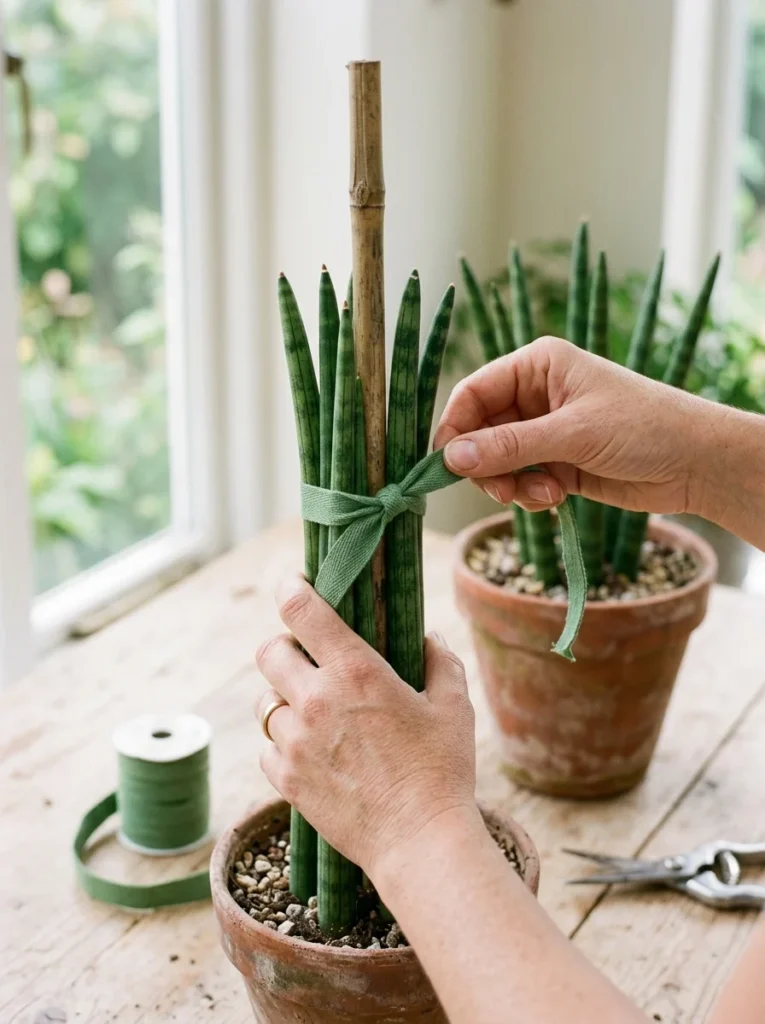
Insert a bamboo stake or decorative spiral plant support into the center of your pot. This is your spine — everything will wrap around it. Make sure it’s firm in the soil and tall enough to support the full height of your plant.
Step 3: Gather and Position the Leaves
Gently gather the cylindrical leaves together. You’re not forcing them — you’re guiding them. Start at the base and loosely arrange them into a circular or spiral formation around the stake.
Step 4: Secure with Soft Ties
This is where soft plant ties or Velcro plant tape shine. Secure the leaves at 2–3 points along their length — bottom, middle, and near the top. Don’t tie too tight. The goal is support, not a stranglehold. Leaves need to breathe.
Avoid wire here. Wire can scar the leaf tissue over time, especially if the plant grows and the tie doesn’t flex. Velcro tape is reusable and forgiving — use it.
Step 5: Rotate the Pot Regularly
This is the secret ingredient most guides skip. Rotating your pot every 1–2 weeks ensures all sides of the plant get even light, which keeps growth balanced and prevents the spiral from leaning toward the window.
Step 6: Be Patient
Truly, this is the hardest step. Training a snake plant spiral takes 3 to 12 months depending on the plant’s age, light levels, and how dramatic a spiral you’re going for. Check in every few weeks. Adjust ties if needed. Watch the plant grow into its new identity.
How Much Light Does a Spiral Snake Plant Need?
Snake plants are famously tolerant, but tolerant doesn’t mean thriving. For spiral training specifically, you want bright indirect light. Here’s why: consistent light = consistent upward growth = a neater, more evenly shaped spiral.
Place your plant near an east or west-facing window. If your space is darker, a grow light on a 12-hour timer works beautifully. Direct harsh sunlight can bleach the leaves, and weak light leads to floppy, uneven growth that’s harder to train.
Think of it this way — light isn’t just about keeping the plant alive during training. It’s about keeping it growing in the right direction.
How Often Should I Water a Shaped Snake Plant?
Here’s where people go wrong, and honestly, I get it. You’re nurturing this beautiful little project and you want to show it love. But snake plants hate being overwatered. Full stop.
During training:
- Water every 2–4 weeks in growing season (spring/summer)
- Water every 4–6 weeks in winter
- Always let the soil dry out completely between waterings
- Use a moisture meter if you’re unsure — it removes all the guesswork
Good drainage matters too. A cactus potting mix with added perlite gives you that fast-draining environment snake plant roots love. This is the same principle as caring for an aloe vera plant — succulents and near-succulents like these want dry feet, not wet ones.
Can I Remove the Support Once the Spiral Is Formed?
This is a great question — and the answer is: it depends.
Some plants, after months of training, will hold their shape reasonably well once the ties are removed, especially if the base of the plant is thick and the leaves have “memorized” their position. But most spiral snake plants look best when kept loosely supported indefinitely.
If you remove the support too early (before 6–12 months), the leaves will gradually drift back toward their natural upright spread. Keep the support in place, loosen the ties as the plant grows, and swap them out if they start cutting into the leaf tissue.
Why Is My Snake Plant Losing Its Spiral Shape?
A few common culprits:
- Ties removed too early — the leaves remember they don’t have to cooperate
- Uneven light — the plant leans toward the brightest side
- New leaf growth — new leaves push outward and disrupt the arrangement
- Pot too small or unstable — the whole setup tips
The fix? Re-tie loosely, rotate the pot, and trim any new offshoots that are growing in the wrong direction. And if you want to add some trailing drama nearby while the spiral does its slow magic, check out these 10 pothos climbing ideas — the contrast between a climbing vine and a sculptured spiral snake plant is chef’s kiss.
Does a Snake Plant Need Special Soil for Spiral Training?
Not special, just right. Standard potting mix retains too much water for snake plants. You want:
- Cactus or succulent mix as the base
- 20–30% perlite mixed in for extra drainage
- A pot with drainage holes — non-negotiable
The healthier the root system, the more energy the plant has for new growth. And new growth = more leaves to train = a fuller, more impressive spiral over time.

Can I Shape a Mature Snake Plant, or Do I Need a Young One?
You can attempt to shape a mature plant, but it’s genuinely hard. Older, taller leaves are stiffer and more likely to crack if you try to coil them. You also risk stressing the plant significantly.
If you have a mature snake plant you love, consider this: let it grow naturally and train the new pups (baby offshoots) into a spiral shape as they emerge. This is actually the most sustainable approach — you get a naturally thick spiral over time as the trained pups mature alongside each other.
Young plants are flexible, forgiving, and eager. Start there.
Final Thoughts: The Art of the Slow Spiral
Shaping a snake plant into a spiral isn’t a weekend project. It’s a slow, satisfying commitment — like growing a friendship or perfecting a sourdough starter. The results are dramatic. The process is weirdly calming. And the finished plant? It’s the kind of living sculpture that makes people stop mid-conversation.
Give it time. Use soft ties. Rotate that pot. And resist the urge to overwater.
Your spiral is coming. Promise.
Frequently Asked Questions
Can a snake plant really be shaped into a spiral?
Yes — particularly Sansevieria cylindrica, whose round, flexible leaves can be trained around a central support into a coiled spiral shape over several months.
How long does it take to make a snake plant spiral?
Expect 3–12 months of consistent training, depending on the plant’s size, light exposure, and growth rate.
Should I use plant ties or wire to hold the spiral?
Always use soft plant ties or Velcro tape. Wire can scar the leaf tissue and doesn’t flex as the plant grows.
How often should I rotate the pot while training the plant?
Every 1–2 weeks for even light exposure and balanced, upright growth.
Can I remove the support once the spiral is formed?
It’s best to keep the support in place long-term. Leaves may drift back to their natural spread if released too early.











1 thought on “How to Shape Your Snake Plant Into a Perfect Spiral (Step-by-Step Guide)”