
Let’s be honest: the first time you hear “rain garden,” it sounds like something only people with a landscaping crew on speed-dial can pull off. I used to think the same thing — until I watched a puddle take over my neighbor’s driveway every time it rained, while my yard, with one shallow dug-out bed of native plants, just… drank it up. No pump. No fancy drainage system. Just a well-placed dip in the ground and a few plants that actually wanted to be there.
That’s the magic trick behind learning how to build a rain garden on a budget: it’s less about spending money and more about spending a Saturday. Grab a shovel, and let’s get into it.
Table of Contents
What Is a Budget Rain Garden and How Does It Work?
A rain garden is a shallow, planted depression positioned to catch runoff — from your roof, driveway, or lawn — and let it soak slowly into the ground instead of rushing off into the street. Think of it as a sponge with really good taste in plants. Water pools in for a few hours after a storm, then filters down through the soil, getting cleaned along the way before it reaches the groundwater.
Unlike a pond, it’s not meant to hold water permanently. A well-built rain garden drains within 24 to 48 hours, which also means no standing water for mosquitoes to throw a party in.
How Much Does It Cost to Build a Rain Garden on a Budget?
This is the part everyone actually wants to know. Good news: a budget rain garden can cost anywhere from $3 to $10 per square foot if you do the digging and planting yourself, compared to $10–$25+ per square foot for a professionally installed one.
| Approach | Estimated Cost (100 sq ft garden) | What’s Included |
|---|---|---|
| Fully DIY, seed-based | $150–$300 | Soil amendments, mulch, seed mix, hand tools |
| DIY with plant plugs | $300–$600 | Established native plants, mulch, soil prep |
| Professionally installed | $1,000–$2,500+ | Grading, plants, labor, drainage design |
The biggest cost-saver? Skipping potted nursery plants in favor of native plant seed mixes or bare-root plugs, and using compost you make or source cheaply instead of pricey bagged garden soil.
Where Should I Place a Budget Rain Garden in My Yard?
Location makes or breaks this project, so don’t skip this step to save time.
- At least 10 feet from your house foundation — you want water leaving your foundation, not soaking into it.
- Downhill from a runoff source, like a downspout, driveway, or low spot in the yard.
- Away from septic systems and utility lines — a quick call to 811 (in the U.S.) before digging is free and saves headaches.
- In a spot that gets at least partial sun, since most rain garden plants prefer 4+ hours of light.
If you’re dealing with runoff pooling near your house or driveway already, it’s worth reading through some smart solutions to stop yard flooding before finalizing your rain garden’s spot — sometimes regrading a small area first makes the whole project easier.
How Deep and Wide Should a Budget Rain Garden Be?
There’s a sweet spot here. Too shallow, and it won’t hold enough water. Too deep, and you’ve basically built a swimming pool no one asked for.
| Yard Type | Recommended Depth | Typical Size |
|---|---|---|
| Sandy, fast-draining soil | 3–5 inches | 100–150 sq ft |
| Loamy soil | 5–7 inches | 150–200 sq ft |
| Clay-heavy, slow-draining soil | 6–8 inches | 200–300 sq ft |
A general rule of thumb: your rain garden should be about 20–30% of the size of the roof, patio, or driveway area draining into it. So a modest 500 sq ft roof section might feed a rain garden around 100–150 sq ft.
What Soil Mix Is Best for a Rain Garden on a Budget?
This is where a lot of budget builds go sideways — skimping on soil prep means water sits too long or drains too fast.
A solid, low-cost rain garden soil mix is roughly:
- 50–60% coarse sand
- 20–30% topsoil or existing native soil
- 20–30% compost
Mix it right into the excavated basin rather than layering it — layers can create weird drainage barriers underground. A cheap soil test kit is worth the few dollars it costs, especially if your yard leans heavily clay or sandy, since it’ll tell you how much amending you actually need.
Which Plants Are Best for a Budget Rain Garden?
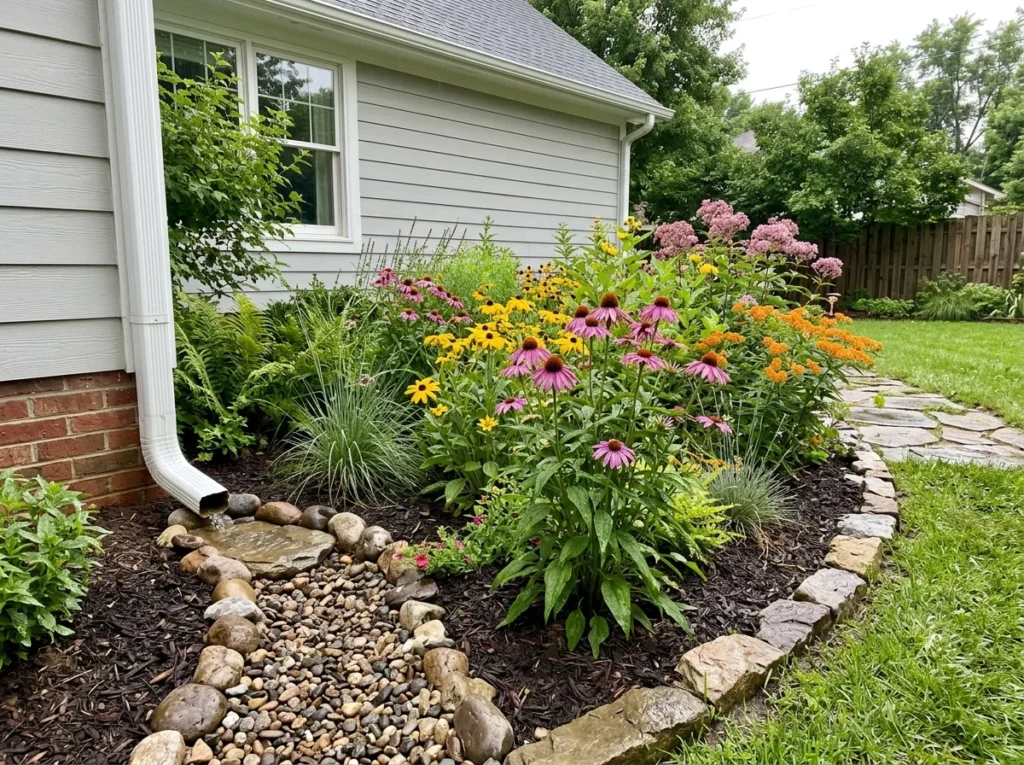
Native plants for rain gardens are the real budget hack here — they’re adapted to local rainfall patterns, need zero fertilizer, and often cost less than ornamental nursery varieties. Group them by where they’ll sit in the basin:
- Center (wettest zone): Blue flag iris, swamp milkweed, soft rush
- Middle slopes: Black-eyed Susan, joe-pye weed, switchgrass
- Outer edges (driest zone): Purple coneflower, little bluestem, butterfly weed
Buying small plugs or starting from seed mix instead of gallon-pot perennials can cut plant costs by more than half. Yes, it takes a season longer to fill in — but your wallet won’t mind the wait.
Can I Build a Rain Garden on a Budget Myself, Without a Contractor?
Absolutely, and most homeowners do. A basic rain garden doesn’t require engineering-level grading — just a shovel, a level, and patience. You’ll want a contractor only if:
- Your yard has serious drainage or foundation issues
- You’re dealing with heavy clay that needs an underdrain system
- The garden needs to tie into municipal stormwater infrastructure
For a standard backyard or front yard project, DIY is not only doable, it’s honestly kind of satisfying.
How Do I Make Sure My Budget Rain Garden Drains Properly?
Test before you plant. Dig your basin, fill it with water, and time how long it takes to drain.
- Drains within 24–48 hours: You’re good.
- Water still sitting after 48 hours: Amend the soil with more sand and compost, or consider a perforated drain pipe to help move water through.
Does a Rain Garden on a Budget Still Help Prevent Flooding and Runoff?
Yes — that’s the whole point. A well-sized rain garden can absorb significant volumes of stormwater that would otherwise rush across your lawn, overload storm drains, or pool near your foundation. It won’t solve a major flooding problem on its own, but paired with smart grading, it’s one of the most effective backyard drainage solutions homeowners can DIY.
Can I Build a Rain Garden in a Small Yard?
Definitely. Even a front yard rain garden as small as 25–50 sq ft, tucked near a downspout, can make a noticeable dent in runoff. Small-space rain gardens also pair nicely with other compact features — if you’re already dreaming up a backyard oasis, a DIY water fountain nearby can complement the rain garden’s natural, flowing feel without competing for space.
What Materials Do I Need for a Cheap Rain Garden?
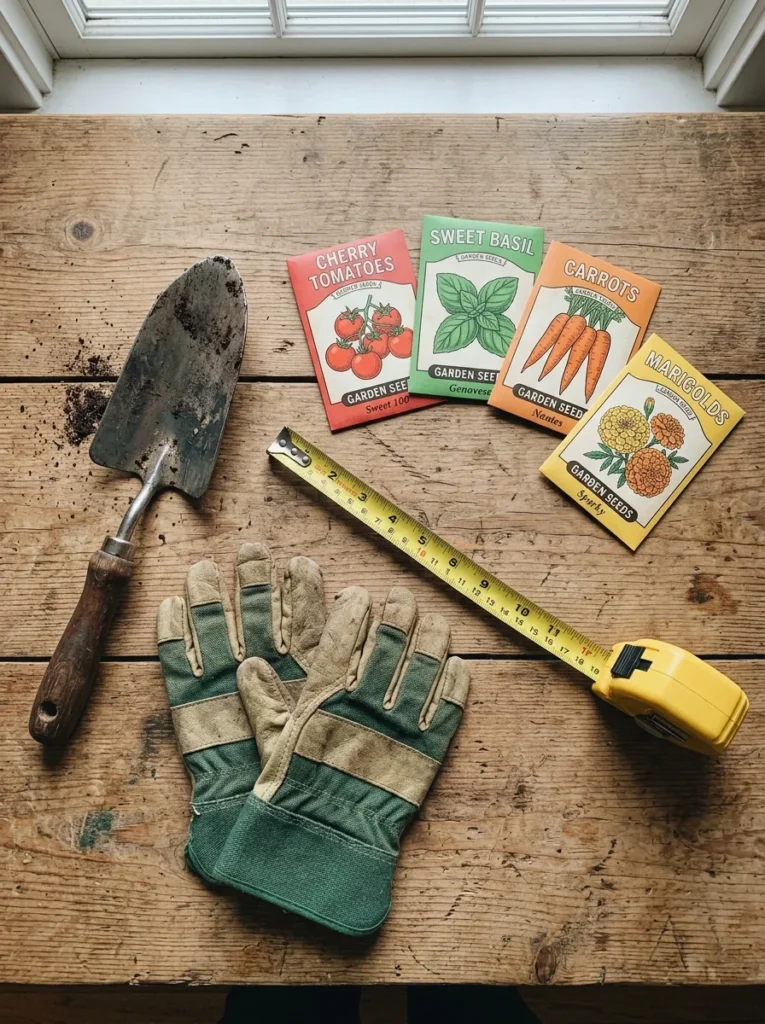
Here’s the no-frills shopping list:
- Shovel and garden spade
- Steel rake
- Wheelbarrow
- Measuring tape and landscape marking paint
- Soil test kit
- Compost, topsoil, and coarse sand
- Native plant seed mix or plant plugs
- Hardwood mulch
- Garden gloves
How Do I Maintain a Rain Garden After Installation?
Once it’s established (usually after the first full growing season), maintenance is refreshingly low:
- Weed occasionally, especially in year one
- Water new plantings during dry spells until roots establish
- Top off mulch once a year
- Cut back dead plant growth in late winter
Should I Use Mulch, Rock, or Gravel in a Rain Garden?
| Material | Best For | Notes |
|---|---|---|
| Hardwood mulch | General coverage, moisture retention | Most affordable, needs yearly refresh |
| River rock | Inlet zones, erosion-prone spots | Prevents mulch from washing away in heavy flow |
| Gravel | Edges, borders | Good for defining garden shape cheaply |
A lot of budget builds use hardwood mulch throughout, with a ring of river rock right where water enters the basin to prevent erosion.
Can a Rain Garden Be Connected to a Downspout?
Yes, and it’s one of the most efficient setups. A downspout diverter kit can redirect roof runoff straight into your rain garden, or first into a rain barrel with overflow feeding the garden. It’s a simple, inexpensive way to put roof water to good use instead of letting it erode your yard.
Are There Rebates or Local Programs for Rain Garden Projects?
Many U.S. cities and counties offer rebates for sustainable landscaping and stormwater management projects, sometimes covering $2–$5 per square foot. Check with your local stormwater utility, watershed district, or county extension office — it’s worth five minutes of searching before you buy a single bag of mulch.
Final Thoughts
Building a rain garden on a budget isn’t about cutting corners — it’s about being smart with where your money goes. Spend on good soil prep and the right native plants; save on labor by doing it yourself. If your yard already deals with runoff headaches, this project pays for itself fast, both in curb appeal and in fewer soggy afternoons. And if you’re looking to round out your yard’s overall design, there’s plenty of inspiration in front yard landscaping ideas that pair well with a rain garden’s natural look.
Got a soggy spot in your yard that’s been bugging you? That might just be your rain garden’s future home. Grab a shovel this weekend and give it a shot — you’ll be surprised how much of this you can do yourself.