

How to choose the right flowers for your garden comes down to one simple habit: matching the plant to your actual yard instead of just grabbing whatever looks pretty at the store. Let’s be honest — you’ve stood in the flower aisle at a garden center, holding two trays that both look gorgeous, thinking, “I have no idea which one will actually survive at my house.” You’re not alone. It’s about the sun your yard gets, the dirt it sits in, and how much time you’re realistically going to spend fussing over it.
I’ve killed my fair share of flowers by ignoring this. A gorgeous hydrangea, plopped into full blazing sun because I liked the color, wilted into a sad brown puddle within a week. Lesson learned. So let’s walk through this together, step by step, so your garden actually thrives instead of becoming a graveyard of good intentions.
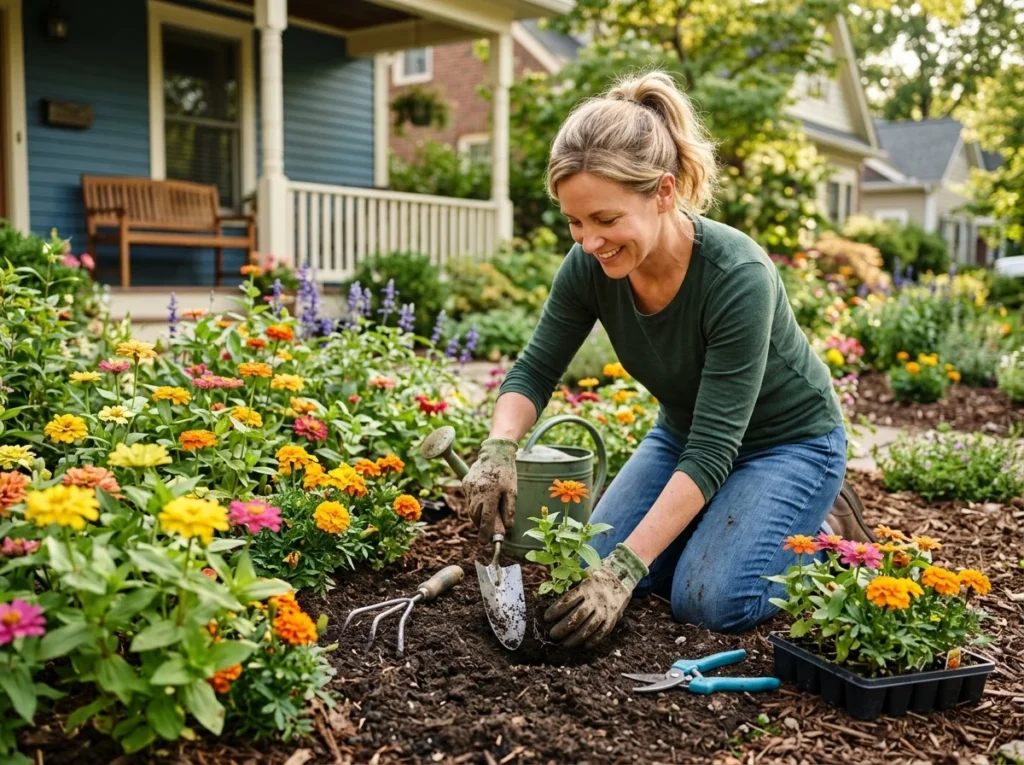
Table of Contents
How to Choose the Right Flowers for Your Garden: Where to Start
Start with three questions before you buy a single seed packet:
- How much sun does the spot get? Full sun, partial shade, or mostly shade?
- What’s your soil like? Sandy, clay, well-draining, or soggy?
- How much time do you want to spend maintaining it?
Once you know the answers, picking flowers becomes way less of a guessing game. Think of it like matchmaking — you’re not looking for the prettiest flower, you’re looking for the one that’s actually compatible with your yard’s personality.
If you want a deeper dive into matching plants to containers and spacing, our guide on growing hollyhocks in pots covers a lot of the same sun-and-soil logic, just scaled down to pots.
What Flowers Are Best for Full Sun?
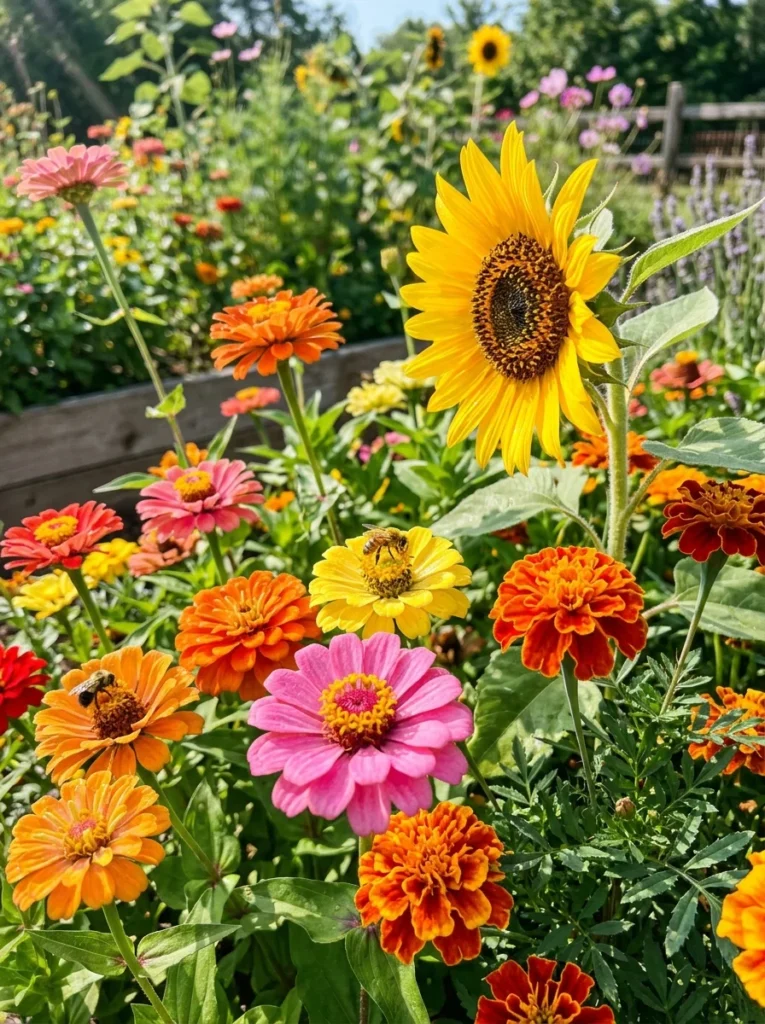
Full sun flowers need at least six hours of direct light a day. If your yard bakes all afternoon, these are your people:
- Zinnias – tough, colorful, bloom non-stop through summer
- Marigolds – classic, cheap, and pollinators love them
- Cosmos – airy, romantic-looking, and drought tolerant
- Black-eyed Susans – native, hardy, and low fuss
- Sunflowers – because obviously
What Flowers Grow Best in Shade?
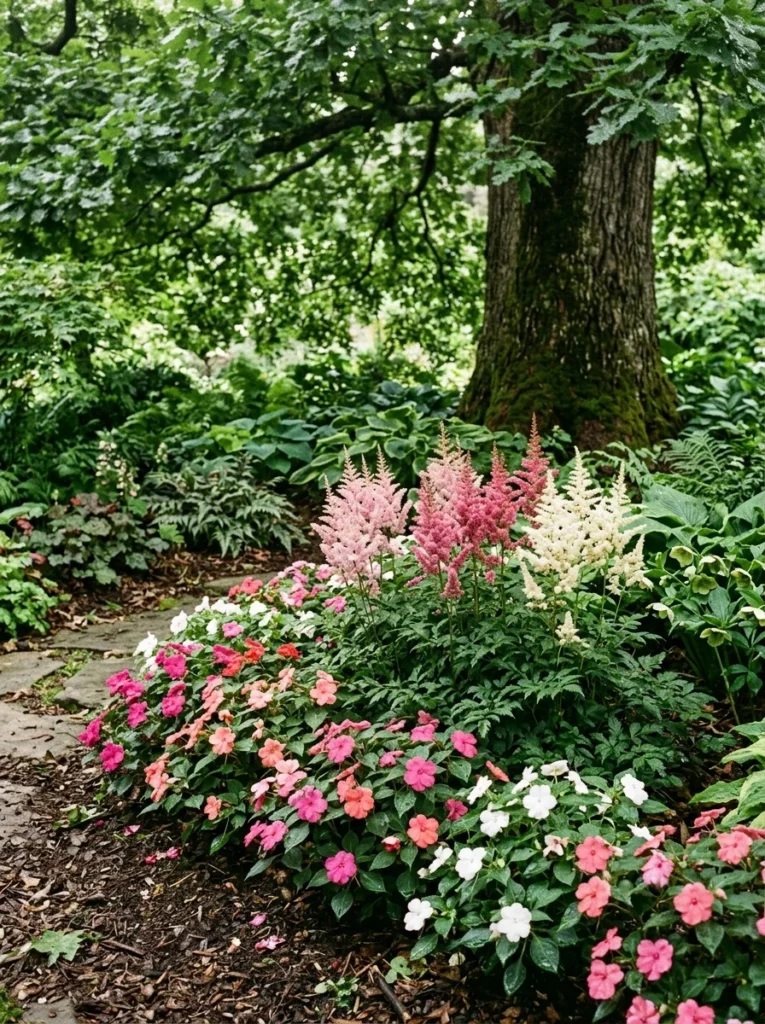
Shady corners aren’t a dead zone — they’re an opportunity. Shade-loving flowers tend to have softer colors and bigger leaves, which honestly gives a garden a nice contrast if you’ve got sunny spots elsewhere too.
- Impatiens – reliable color even in deep shade
- Astilbe – feathery plumes, great under trees
- Hostas (technically foliage, but pairs beautifully with shade flowers)
- Bleeding hearts – dramatic, old-fashioned charm
- Columbine – delicate blooms that don’t mind dappled light
Should I Choose Annuals or Perennials?
This is the debate that never really ends, so here’s the short version:
| Feature | Annuals | Perennials |
|---|---|---|
| Lifespan | One season | Comes back yearly |
| Cost over time | Higher (rebuy each year) | Lower long-term |
| Bloom time | Often longer, all season | Usually shorter window |
| Effort | Replant yearly | Plant once, maintain |
| Best for | Instant color, experimenting | Long-term garden structure |
My honest take? Do both. Perennials give your garden its backbone, and annuals fill in the gaps with instant color while you wait for everything else to mature.
How Do I Know What Flowers Suit My Soil Type?
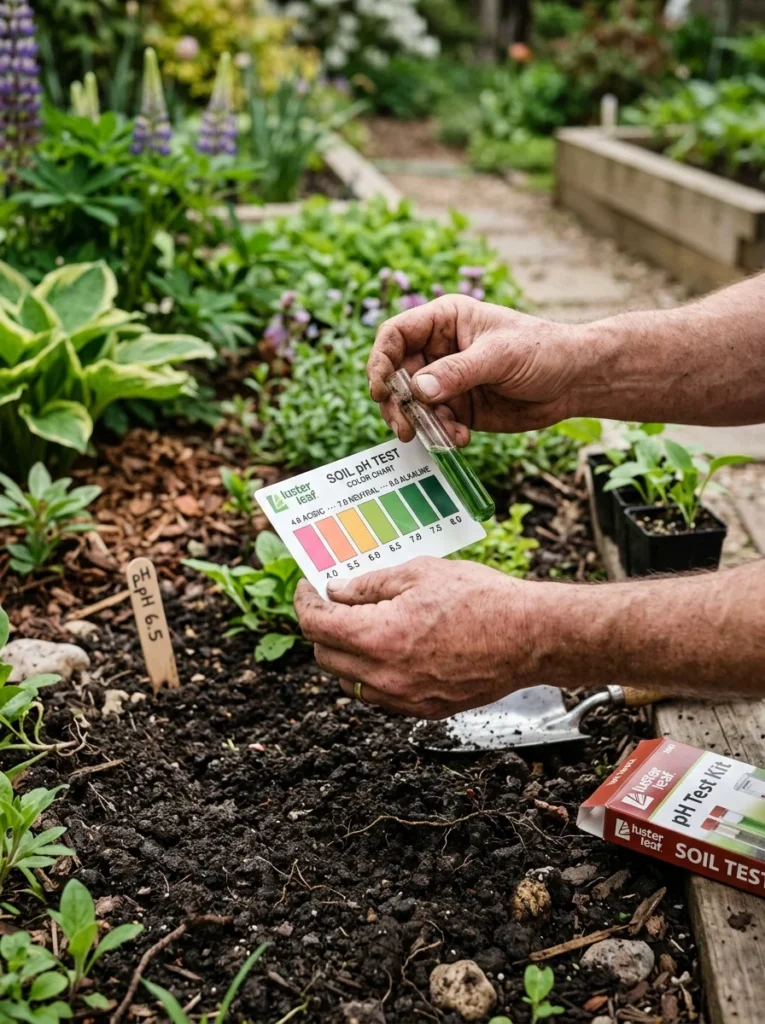
Soil is the part everyone skips when they try to choose the right flowers for their garden, and it’s honestly the part that matters most. Sandy soil drains fast and dries out quickly. Clay soil holds water (sometimes too much). Loamy soil is the golden middle ground most flowers love.
A cheap soil test kit takes the guesswork out of this in about ten minutes. It tells you your pH and rough soil type so you’re not just planting on a hope and a prayer.
What Flowers Are Easiest for Beginners?
If you’re new to this, start with the forgiving crowd. These flowers basically want to grow:
- Marigolds
- Zinnias
- Sunflowers
- Nasturtiums
- Cosmos
They tolerate mistakes, bounce back from mild neglect, and reward you fast — which, let’s be real, is exactly the encouragement a beginner gardener needs.
How Do I Choose Flowers That Bloom All Season?
Look for flowers labeled “continuous bloomers” or stagger your planting. Combining early bloomers (tulips, daffodils), mid-season flowers (zinnias, coneflowers), and late bloomers (asters, mums) keeps color going from spring through fall. A garden planner notebook actually helps a ton here — jotting down bloom windows saves you from a yard that peaks in June and goes bare by August.
Which Flowers Are Best for Low-Maintenance Gardens?
If your idea of gardening is “water occasionally and hope for the best,” go with:
- Coneflowers (echinacea)
- Black-eyed Susans
- Daylilies
- Lavender
- Yarrow
These are all drought tolerant flowers that don’t demand much beyond decent drainage and the occasional prune.
What Flowers Attract Pollinators?
Bees and butterflies aren’t picky, but they do have favorites:
- Bee balm
- Lavender
- Coneflowers
- Salvia
- Zinnias
Planting a dedicated pollinator patch isn’t just pretty — it genuinely helps your whole garden, since better pollination means better blooms and fruit set nearby.
How Do I Match Flowers to My Garden Design?
Think in layers. Tall flowers (like hollyhocks or delphiniums) go in the back, mid-height flowers (zinnias, cosmos) fill the middle, and low, spreading flowers (alyssum, petunias) edge the front. Repeating colors in small clusters throughout the bed, rather than scattering one of everything, gives a much more intentional, designed look.
How Can I Tell if a Flower Will Survive My Climate?
Check your USDA hardiness zone before buying perennials — it’s printed on almost every plant tag. Annuals are more forgiving since they only need to survive one season, but perennials genuinely need to match your winter lows to come back next year.
What Flowers Are Best for Front Yards and Curb Appeal?
For that “wow, who lives here” front-yard effect, go with flowers that bloom long and look tidy without constant grooming:
- Knockout roses
- Hydrangeas
- Daylilies
- Salvia
- Marigolds lining a walkway
How Do I Choose Flowers for Containers Versus Flower Beds?
Containers dry out faster, so pick flowers that tolerate a bit of drought stress, like petunias, geraniums, or marigolds. Flower beds have more root room and retained moisture, so you can get away with thirstier plants like hydrangeas or delphiniums. If you’re leaning toward pots this season, our guide on growing hollyhocks in pots is a solid next read.
What Flowers Are Drought Tolerant?
- Lavender
- Yarrow
- Black-eyed Susans
- Coneflowers
- Sedum
These are lifesavers if you live somewhere hot and dry, or if you’re simply the type who forgets to water (no judgment).
How Do I Keep Flowers Healthy After Planting?
- Water deeply but less often (encourages deep roots)
- Mulch to retain moisture and block weeds
- Deadhead spent blooms to encourage more flowers
- Fertilize according to the flower type’s needs
- Watch for pests early, before they spread
A good pair of pruning shears and a reliable watering can go a long way here — simple tools, but they make maintenance so much easier.
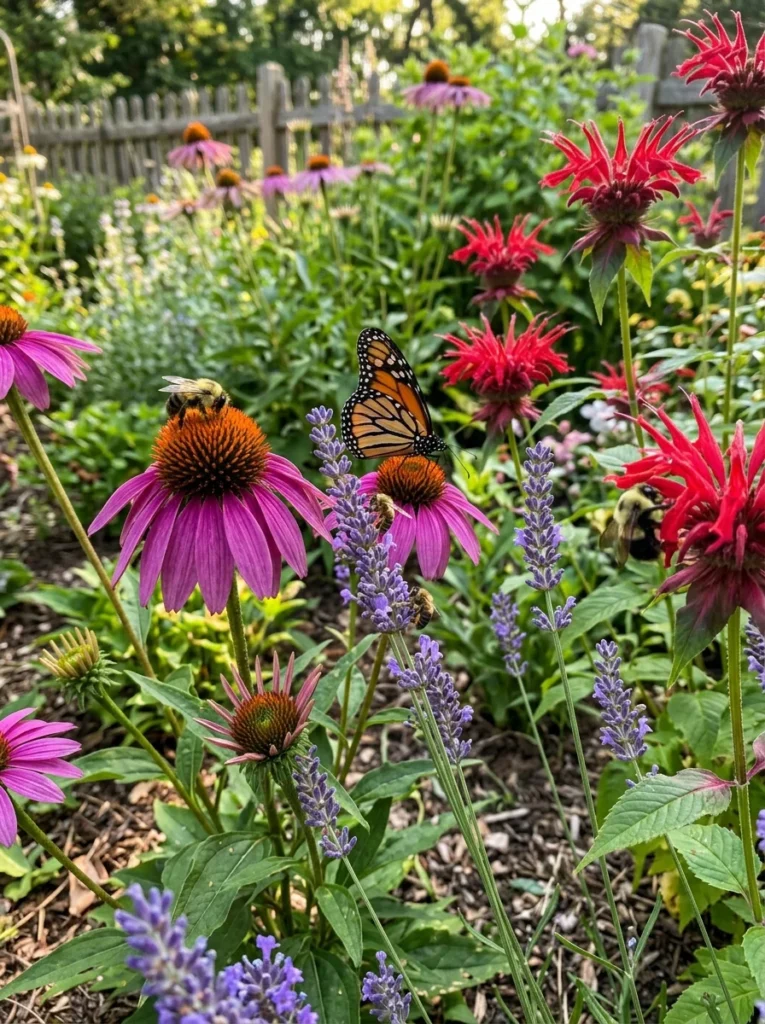
Learning how to choose the right flowers for your garden really comes down to knowing your space — sun, soil, climate, and how much time you actually want to spend out there. Start small, pick a few flowers that match your conditions, and build from there. Your garden doesn’t need to be perfect on day one. Mine sure wasn’t. Give these tips a try, and let me know in the comments what’s blooming (or struggling) in your yard this season!
1 thought on “How to Choose the Right Flowers for Your Garden (Without Losing Your Mind)”