

Here’s a weird truth about gardening: some of the prettiest flowers in your yard are also the ones most likely to send you to the ER. The nightshade flower is exhibit A. It’s got the delicate, bell-shaped charm of something you’d want in a cottage garden, and the alkaloid punch of a plant that’s been tangled up in witchcraft folklore, royal poisonings, and modern-day dog-park panic (“is that berry going to kill my golden retriever?”).
I get it — you searched “nightshade flower” because you saw one growing near your fence, or your kid pointed at a purple bloom in the woods, or you’re just plant-curious and the name sounded ominous. Good instinct. Let’s actually break this down: what nightshade is, which kinds are dangerous, which ones are basically your dinner (yes, really), and how to tell them apart without a chemistry degree.
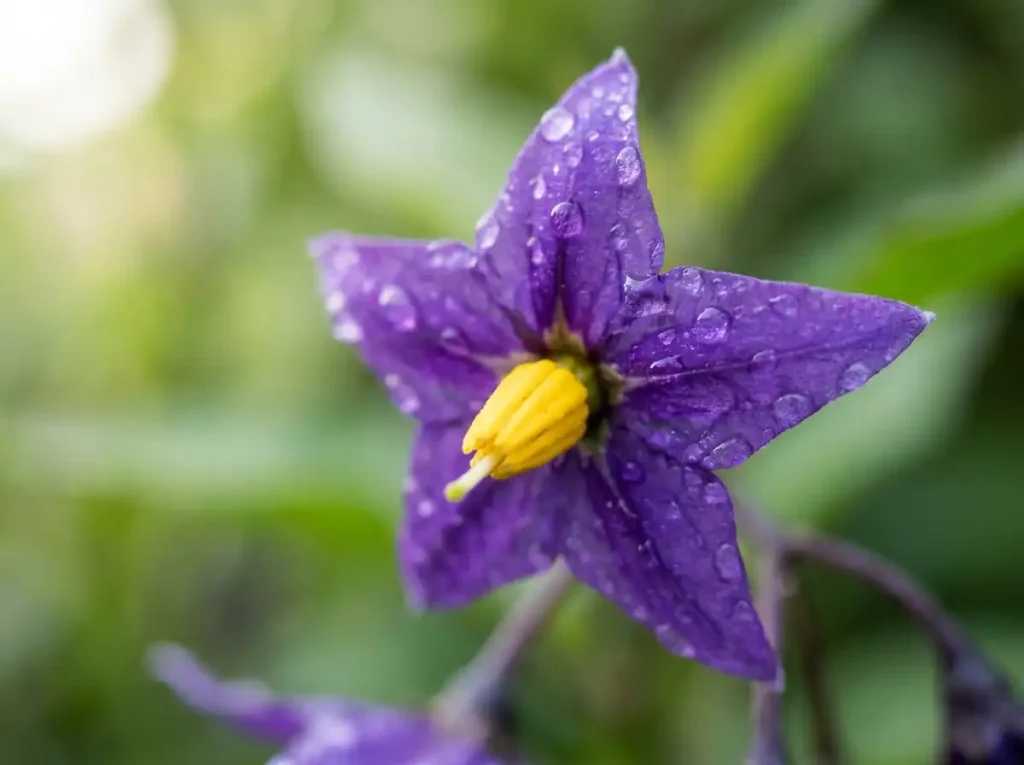
Table of Contents
What Is a Nightshade Flower, Exactly?
“Nightshade” isn’t one single plant — it’s shorthand for the Solanaceae family, a massive botanical clan with over 2,000 species. Some of those species are dinner. Others are deadly. That’s the plot twist most people miss.
Your tomatoes, potatoes, eggplants, and bell peppers are all nightshades. So is tobacco. So is deadly nightshade (Atropa belladonna), one of the most toxic plants in the Northern Hemisphere. Same family tree, wildly different party invites.
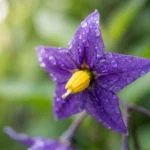
The flowers themselves tend to share a recognizable look: five fused petals forming a star or bell shape, prominent yellow or orange stamens in the center, and a color palette that runs from white to purple to deep violet-brown. If you’ve ever looked closely at a potato or tomato plant flower, you’ve already met a nightshade bloom — it just wasn’t trying to kill you.
What Does a Nightshade Flower Look Like?
Most nightshade plant flowers follow a similar blueprint, even across different species:
- Shape: Star-shaped or bell-shaped, five petals fused at the base
- Size: Usually small, about half an inch to an inch across
- Center: A cluster of yellow stamens that often forms a little cone
- Growth pattern: Flowers droop or hang, especially in Atropa belladonna and bittersweet nightshade
That said, exact appearance varies a lot by species, which is exactly why identification matters more than a quick glance.
What Color Are Nightshade Flowers?
This is where people get tripped up, because there’s no single answer. Depending on the species, nightshade flowers show up in:
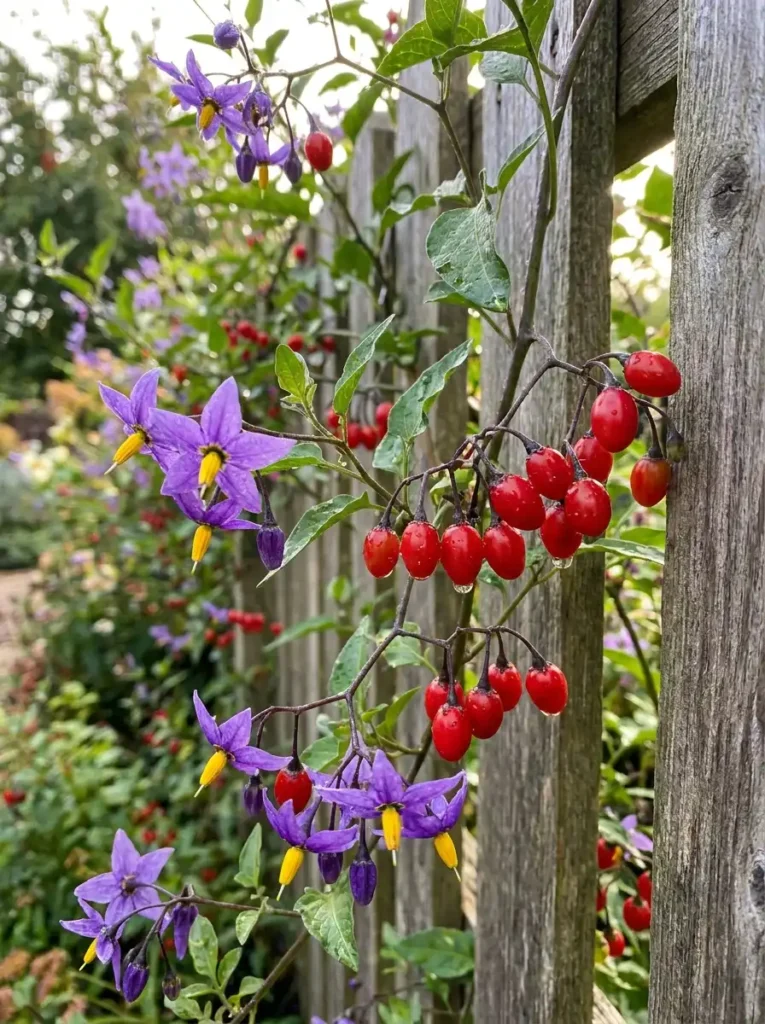
- Purple to violet (bittersweet nightshade, black nightshade)
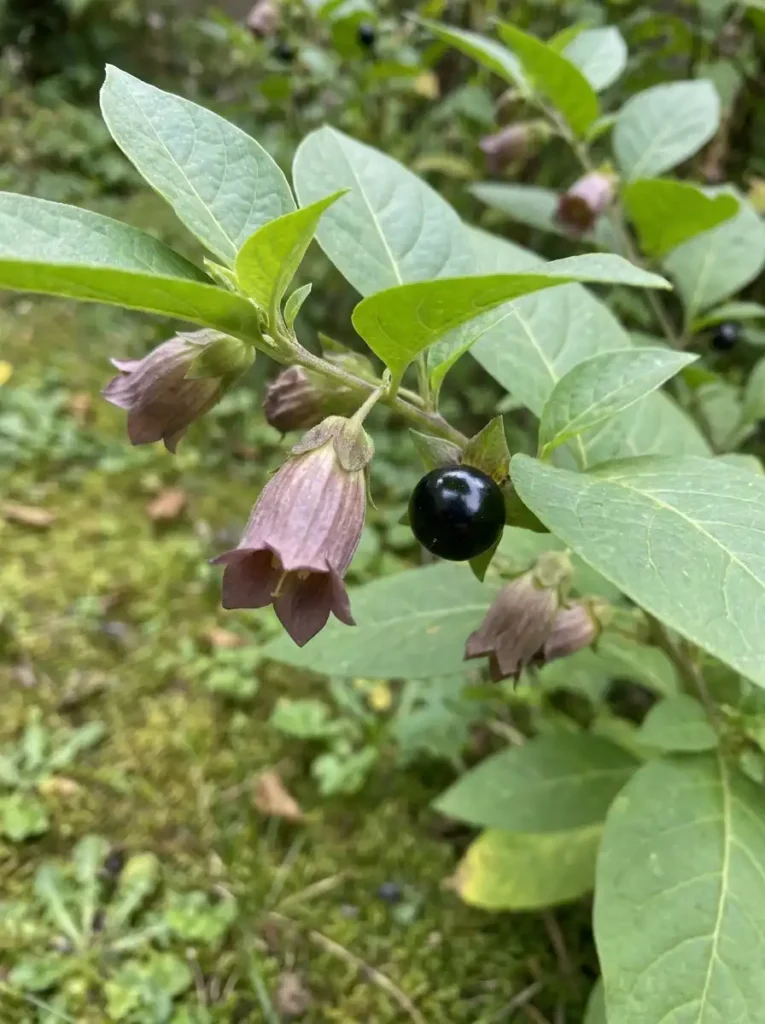
- Dull purple-brown (deadly nightshade / belladonna)
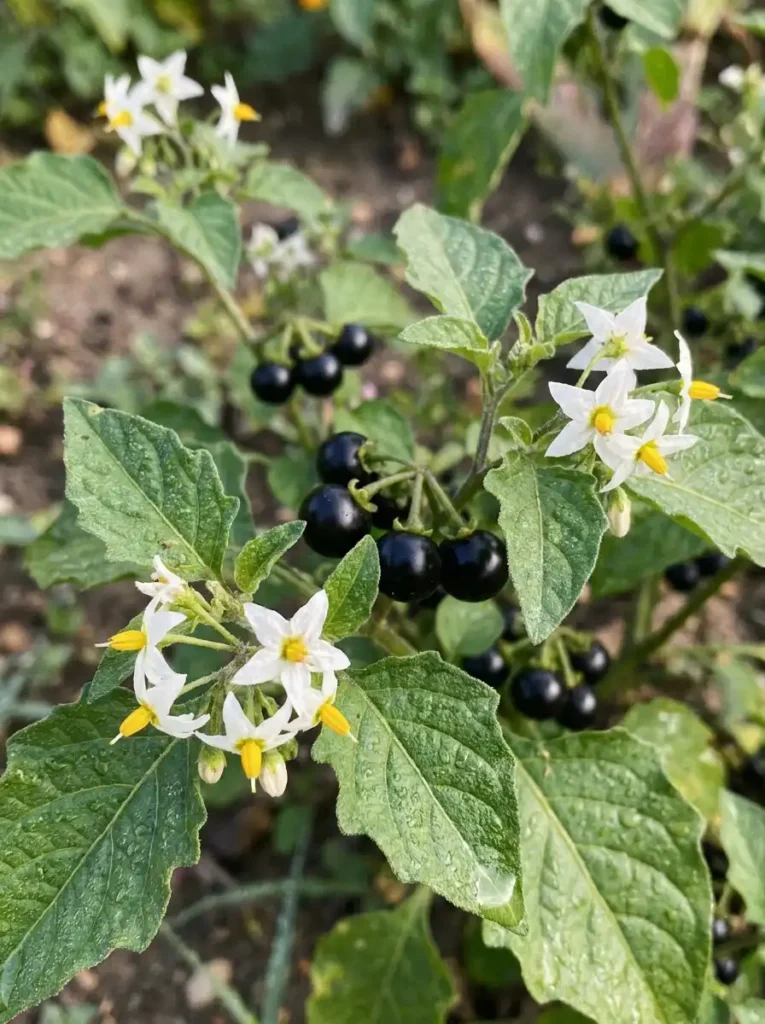
- White to pale yellow (black nightshade, some solanum varieties)
- Star-shaped white blooms (many wild solanum species)
Color alone will never tell you whether a plant is safe or dangerous — you need the fuller picture: leaf shape, berry color, growth habit, and where it’s growing.
Nightshade Identification: The Dead Giveaways
If you’re trying to figure out how to identify a nightshade plant in your yard or on a hike, don’t rely on the flower alone. Cross-check these features together:
- Leaves — Usually oval or lance-shaped, sometimes with a strong smell when crushed
- Berries — Green when unripe, ripening to black, purple, or red depending on species
- Flower shape — Star or bell-shaped, five fused petals, yellow center
- Growth habit — Some sprawl or climb (bittersweet nightshade), others grow upright as bushy perennials (belladonna)
- Habitat — Disturbed soil, roadsides, woodland edges, fence lines, and waste areas are nightshade’s favorite real estate
A botanical field guide and a decent hand lens go a long way here — nightshade lookalikes are common, and you really don’t want to guess wrong with anything you or your kids might touch or eat.
Is Nightshade Flower Poisonous? (The Question Everyone’s Actually Asking)
Short answer: it depends entirely on the species, and you should treat any unidentified nightshade as toxic until proven otherwise.
Deadly nightshade (Atropa belladonna) earns its name. It’s a branched, thick-rooted perennial in the nightshade family that also includes tomatoes, potatoes, eggplants, tobacco, chili peppers, and jimsonweed, and it grows roughly three to four feet tall. Every part of the plant is highly toxic — small doses can cause delirium and hallucinations, and larger doses can be fatal. Symptoms of poisoning include a racing pulse, dilated pupils, dry flushed skin, and confusion.
Black nightshade (Solanum nigrum), by contrast, is a much murkier case. Its unripe green berries are toxic, but fully ripe black berries are eaten in some cuisines after cooking — though most safety guides still recommend avoiding it entirely unless you’re absolutely certain of the species and ripeness, since lookalikes are everywhere.
Woody nightshade / bittersweet nightshade (Solanum dulcamara) sits in the “mildly to moderately toxic” zone — unpleasant if eaten, rarely fatal in adults, but genuinely dangerous for small children and pets.
Bottom line: unless you’re a trained botanist, treat every nightshade berry as a hard no.
Deadly Nightshade vs. Black Nightshade: A Side-by-Side Breakdown
People confuse these two constantly, so here’s the comparison table that should live in your head rent-free:
| Feature | Deadly Nightshade (Atropa belladonna) | Black Nightshade (Solanum nigrum) |
|---|---|---|
| Toxicity | Extremely high — can be lethal in small amounts | Toxic when unripe/green; controversial when ripe |
| Berry appearance | Single, large, glossy black berries | Clusters of small, round berries resembling tiny tomatoes |
| Flower color | Dull purple-brown, bell-shaped | White to pale purple, star-shaped |
| Height | 3–4 feet | 1–2 feet, more sprawling |
| Common habitat | Disturbed ground, woodland edges | Gardens, roadsides, waste areas |
| US presence | Naturalized in a handful of states, less common | Widespread across most of the US |
One reliable way to tell them apart in the field: deadly nightshade produces its berries singly with a larger, star-shaped calyx behind the fruit, while black nightshade grows its berries in rounded clusters that look like miniature tomatoes.
Is Nightshade Flower the Same as Belladonna?
Not quite — belladonna is one specific, especially dangerous species within the nightshade family, not a synonym for the whole group. Think of it like this: all belladonna is nightshade, but not all nightshade is belladonna. “Belladonna” specifically refers to Atropa belladonna, aka deadly nightshade, the one you actually need to worry about.
Are All Nightshade Plants Toxic?
No — and this is the detail that trips up most beginner gardeners. The Solanaceae family includes plenty of everyday food crops: tomatoes, potatoes, eggplants, peppers, and tomatillos are all nightshades, and they’re perfectly safe to eat (yes, even the tomato leaves debate is mostly overblown for normal consumption of the fruit).
What’s toxic varies by species and sometimes by plant part. Potato leaves and green potato skins, for instance, contain solanine and shouldn’t be eaten, even though the tuber itself is dinner. So “nightshade” isn’t a toxicity label — it’s a family tree, and every branch behaves differently.
Where Does Nightshade Flower Grow Naturally?
Nightshades are opportunists. Deadly nightshade is typically found in woods and thickets, but also thrives in disturbed areas, waste places, and roadsides, where it spreads in a weed-like manner. In the US, it has naturalized in scattered pockets, particularly in parts of New York, Michigan, and the Pacific coast states.
Black nightshade and bittersweet nightshade are far more widespread, popping up in home gardens, fence lines, hedgerows, and vacant lots across most of the country. If you’ve got a slightly neglected corner of your yard, there’s a decent chance a nightshade species has already claimed it.
Is Nightshade a Weed or a Wildflower?
Both, honestly, depending on who you ask and where it’s growing. Gardeners who didn’t plant it call it a weed. Foragers and wildflower enthusiasts call it a wildflower. Botanically, it’s neither label — it’s just a plant that happens to be extremely good at colonizing disturbed soil, which is exactly the kind of behavior that earns the “weed” reputation.
Common Types of Nightshade Flowers You Should Know
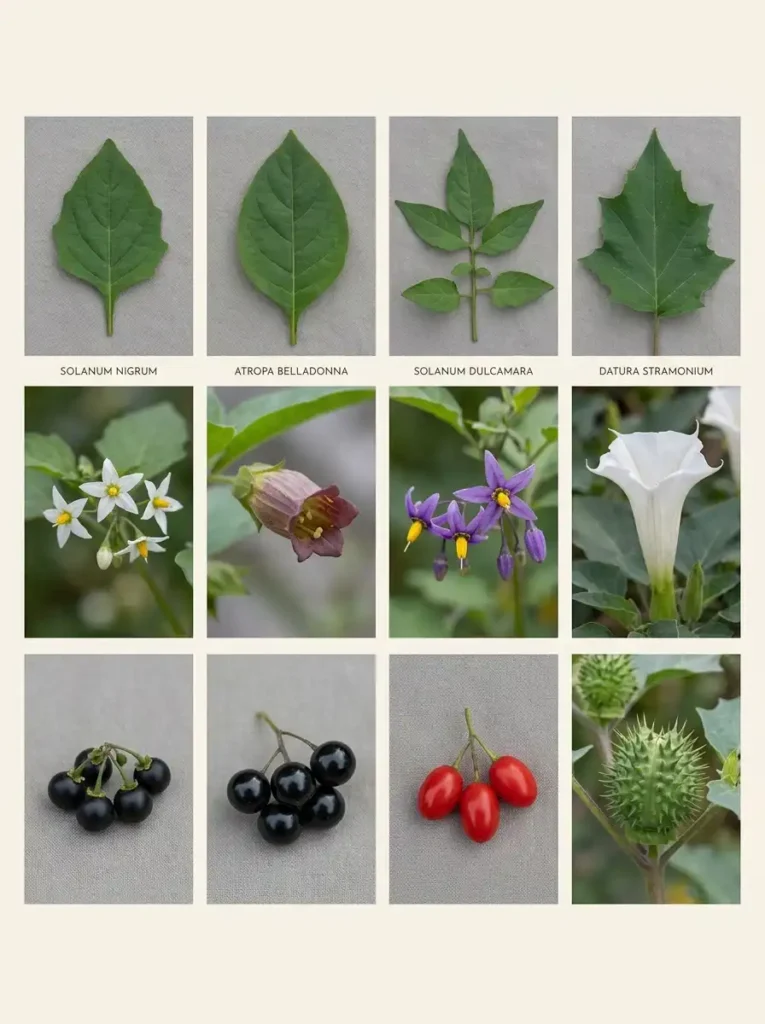
If you want the quick-reference list, here are the nightshade species you’re most likely to run into in the US:
- Deadly Nightshade (Atropa belladonna) — The famous one. Dull purple-brown bell flowers, single black berries, extremely toxic.
- Black Nightshade (Solanum nigrum) — White star-shaped flowers, clustered berries, common garden “weed.”
- Bittersweet Nightshade (Solanum dulcamara) — Vibrant purple flowers with a yellow beak, red berries, climbs and sprawls.
- Horse Nettle (Solanum carolinense) — Pale purple star flowers, yellow berries, spiny stems.
- Silverleaf Nightshade (Solanum elaeagnifolium) — Violet-blue flowers, silvery foliage, common in the Southwest.
- Ornamental Solanum varieties — Grown intentionally for their berries and blooms, but still best handled with gloves and kept away from curious pets.
What Does Nightshade Flower Symbolize?
Beyond the botany, nightshade carries some serious symbolic baggage. Historically, it’s associated with danger, deception, and dark beauty — the classic “beautiful but deadly” archetype. In Victorian flower language, nightshade often symbolized falsehood or skepticism, a fitting nod to a plant that looks harmless and absolutely isn’t.
It shows up in folklore tied to witchcraft, poison gardens, and mythology — the genus name Atropa itself references Atropos, the Greek Fate who cuts the thread of life. If you’re into gothic garden aesthetics or symbolic planting, nightshade brings a lot of story to a small flower.
Does Nightshade Have Medicinal Uses?
Surprisingly, yes — with heavy caveats. Belladonna’s alkaloids, including atropine and scopolamine, are used in modern medicine to dilate pupils, treat motion sickness, and reduce muscle spasms. These uses are strictly pharmaceutical-grade and dosage-controlled; this is absolutely not a “forage it yourself” situation. The line between medicine and poison here is razor-thin, and it’s measured in milligrams, not guesswork.
Can Nightshade Flowers Be Grown in Gardens?
You can — ornamental Solanum varieties are grown for their striking blooms and berries — but do it with eyes open. Keep toxic species like belladonna out of homes with small kids or pets, label anything you’re growing for reference, and always handle with gardening gloves since some nightshade sap can irritate skin.
If you’re planning a broader flower bed and want species that pair well without the toxicity concerns, our guide on how to choose the right flowers for your garden is a solid next stop.
Quick-Fire FAQ Recap
Are nightshade berries poisonous? Most are, especially unripe green ones. Treat all nightshade berries as inedible unless you can positively confirm the species.
What’s the difference between deadly nightshade and black nightshade? Deadly nightshade is far more toxic, with single large black berries and purple-brown bell flowers; black nightshade has clustered berries and white star-shaped flowers.
Is nightshade the same as belladonna? Belladonna is one specific, highly toxic nightshade species — not the whole family.
Where does it grow? Disturbed soil, roadsides, woodland edges, and neglected garden corners across much of the US.
Does it have medicinal value? Yes, in tightly controlled pharmaceutical doses — never as a DIY remedy.
Wrapping It Up
Nightshade is one of those plants that rewards a little curiosity and punishes carelessness. Learn the shapes, learn the colors, and when in doubt, don’t taste-test a wild berry to find out which category it falls into. If you’ve got a suspected nightshade growing near your home, snap a photo, cross-reference it with a plant identification app, and treat it with respect rather than fear.
Got a mystery plant in your yard right now? Drop a comment with what you’re seeing — leaf shape, berry color, height — and let’s figure out together whether it’s dinner or danger.
See also: how to shape your snake plant into a perfect spiral and how to propagate pothos if you’re rounding out your plant knowledge this week.





1 thought on “Nightshade Flower 101: The Pretty Plant You Should Probably Not Touch”