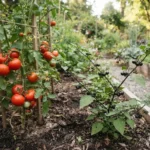

There’s a particular kind of heartbreak that only gardeners know: you’ve babied a tomato plant all summer, talked to it like a houseplant with feelings, and then it rewards you with three sad, cracked tomatoes and a case of blossom end rot. I’ve been there. More than once.
The good news? Tomatoes aren’t actually that fussy once you know what they want. They want sun, steady water, decent soil, and a little support — literally, in the form of a cage or stake. Get those basics right and you’ll go from “why won’t this thing fruit” to “I have given fourteen tomatoes to my neighbors this week and they are starting to avoid me.” If you’re also rethinking the rest of the yard while you’re at it, our guide to front of house landscaping ideas is a good companion read, especially if your tomato bed is fighting for space with your curb appeal.
📌 Quick Note: This post contains Amazon affiliate links. If you purchase through them, I may earn a small commission at no extra cost to you — it helps keep the lights on here. Thanks!
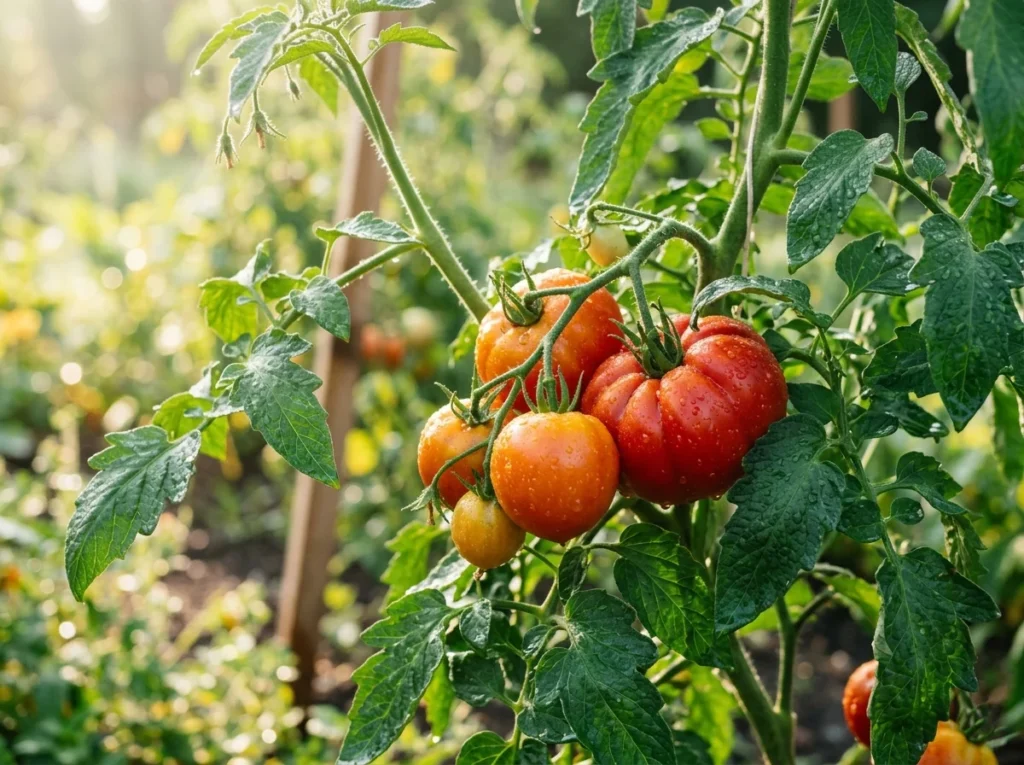
Below are 15 tomato plants growing tips that cover everything from planting day to harvest day, organized so you can skip to whatever’s stressing you out right now. Consider it your tomato growing guide for the rest of the season.
Table of Contents
1. Give Them Sun. Then Give Them More Sun.
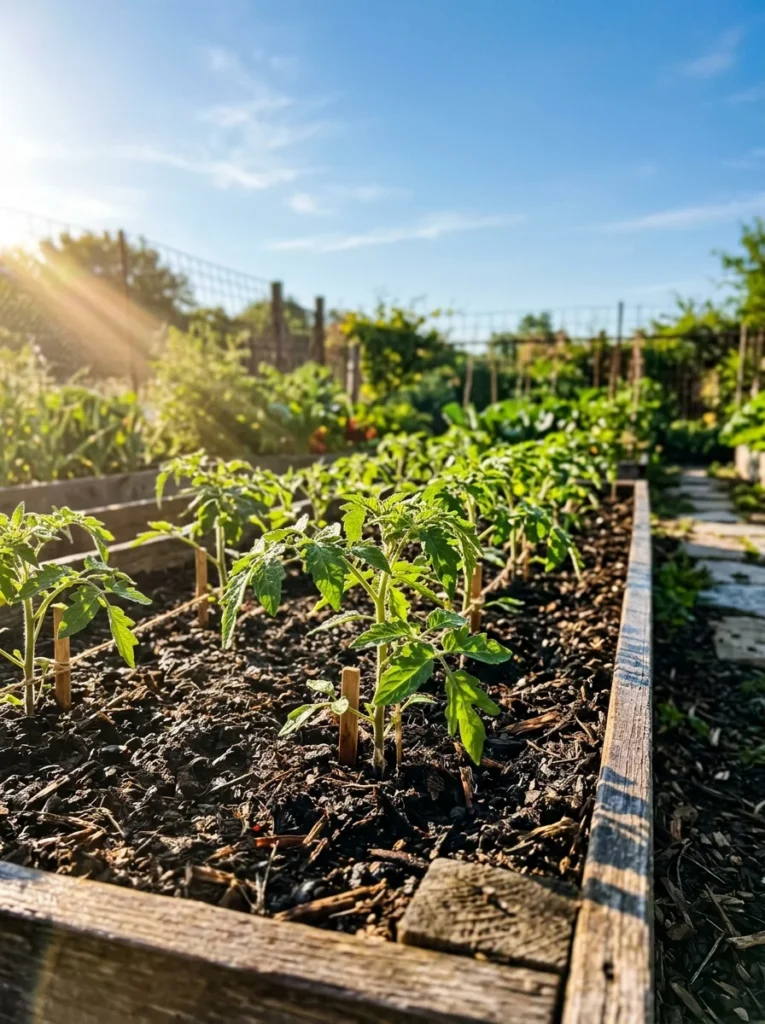
If there’s one tomato planting tips rule that beats all the others, it’s this: tomatoes are sun-hogs. They need a minimum of 6 hours of direct sunlight a day, though 8 hours is where the magic really happens. Less sun means leggy, weak stems and fewer flowers, which means fewer tomatoes — math nobody wants. Pick the sunniest spot in your yard, even if that means tucking plants into an odd corner. Speaking of awkward spaces, if your sunniest spot happens to be a forgotten nook, our corner garden ideas piece can help you turn it into something worth showing off.
2. Start With Soil That Isn’t an Afterthought
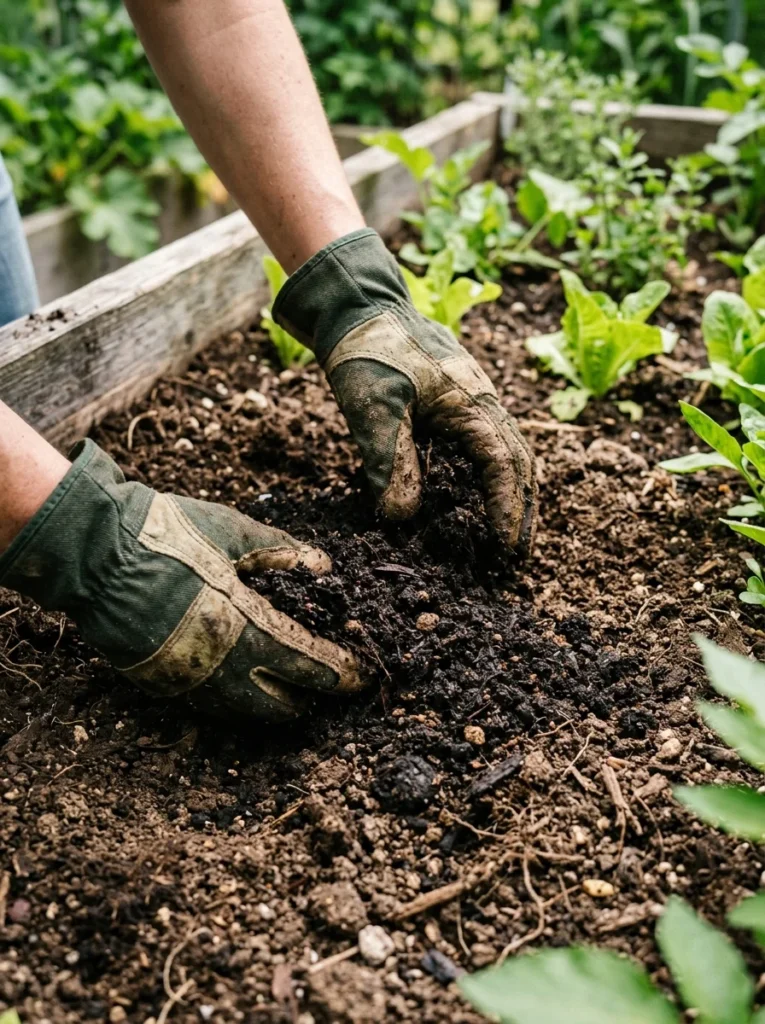
Tomatoes want loose, well-draining soil loaded with organic matter, sitting at a slightly acidic pH of about 6.2 to 6.8. Mix in compost before planting and your future self will thank you. A cheap pH soil test kit takes the guesswork out of it, and if your native dirt is more “compacted clay” than “garden soil,” a raised bed filled with a quality soil mix solves that problem fast. According to general home-garden guidance from university extension programs, tomatoes perform best in well-drained, organically rich beds that get full sun, which lines up with pretty much every experienced gardener’s experience too.
3. Plant Deep — Way Deeper Than Feels Right
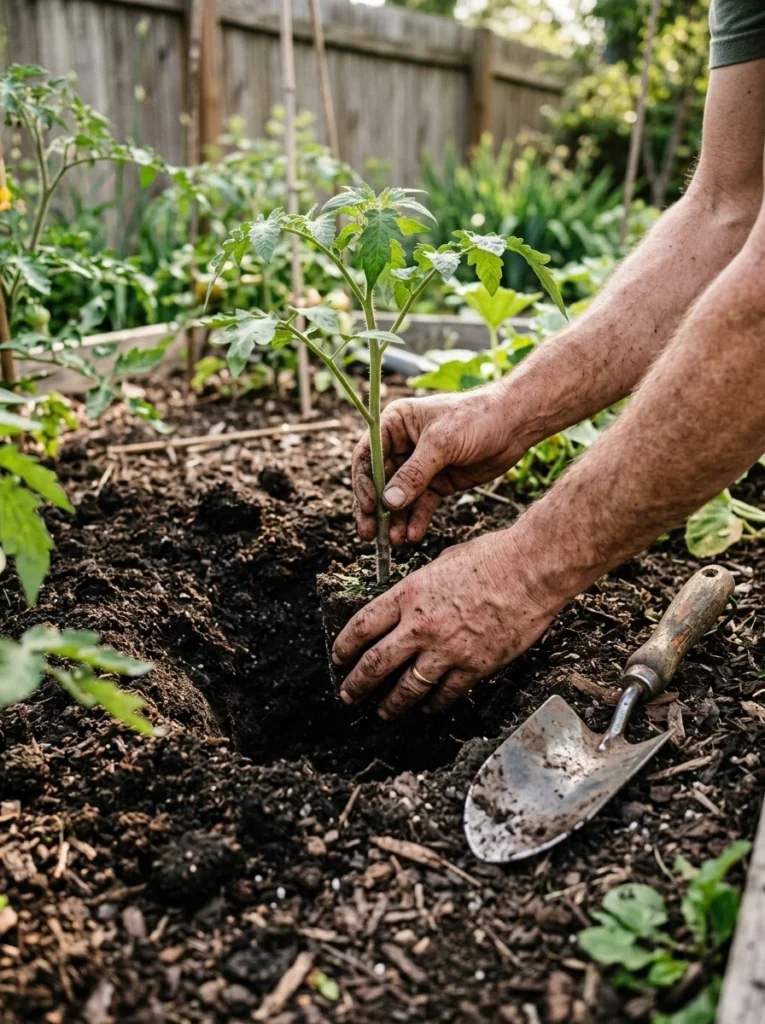
This is the one tip that surprises beginners every time: when transplanting seedlings, bury two-thirds of the stem, removing the lower leaves first. Tomato stems grow roots anywhere they touch soil, so planting deep builds a stronger, more stable root system. It’s one of those tomato transplanting tips that sounds aggressive but pays off all summer in sturdier plants that don’t topple over in the first stiff breeze.
4. Water Like You Mean It (Consistently)
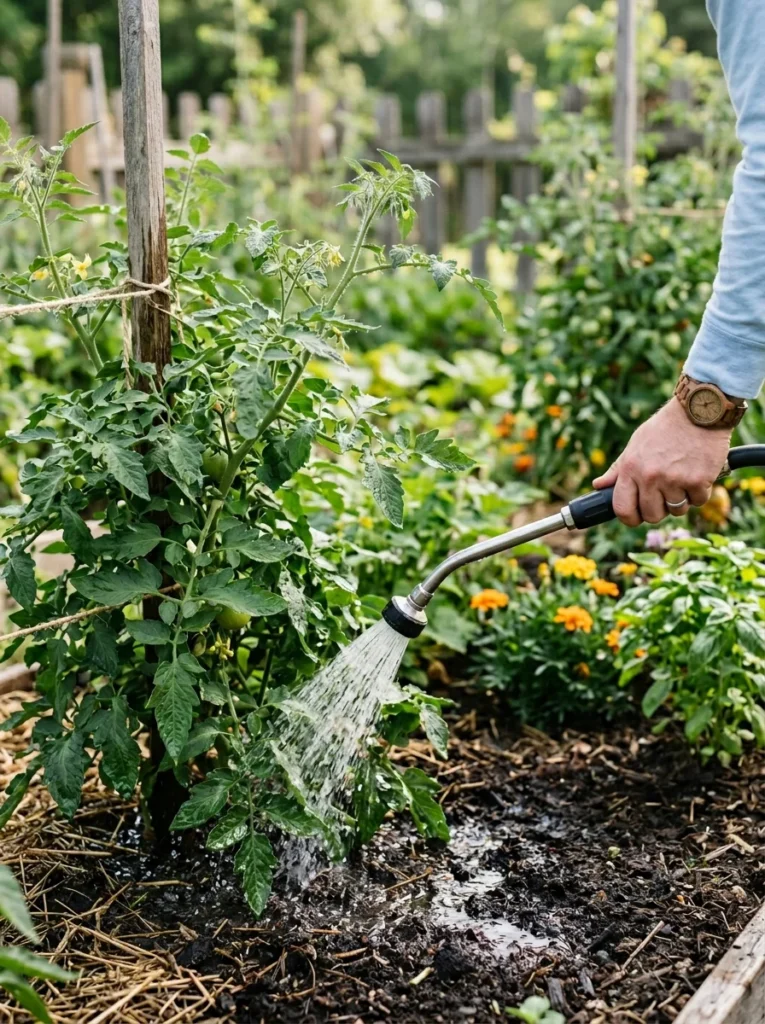
Inconsistent watering is the root of half the problems tomato growers complain about, blossom end rot and cracked fruit included. Aim for deep, consistent watering — roughly 1 to 2 inches per week, more during heat waves — rather than frequent light sprinkles that only wet the surface. A soaker hose or drip irrigation kit set on a timer takes the guesswork out of it, and a watering wand lets you aim straight at the soil line instead of soaking the leaves, which helps dodge fungal disease. These tomato watering tips alone will solve a surprising number of “what’s wrong with my plant” mysteries.
5. Mulch Like Your Plant’s Life Depends On It (Because It Kind Of Does)
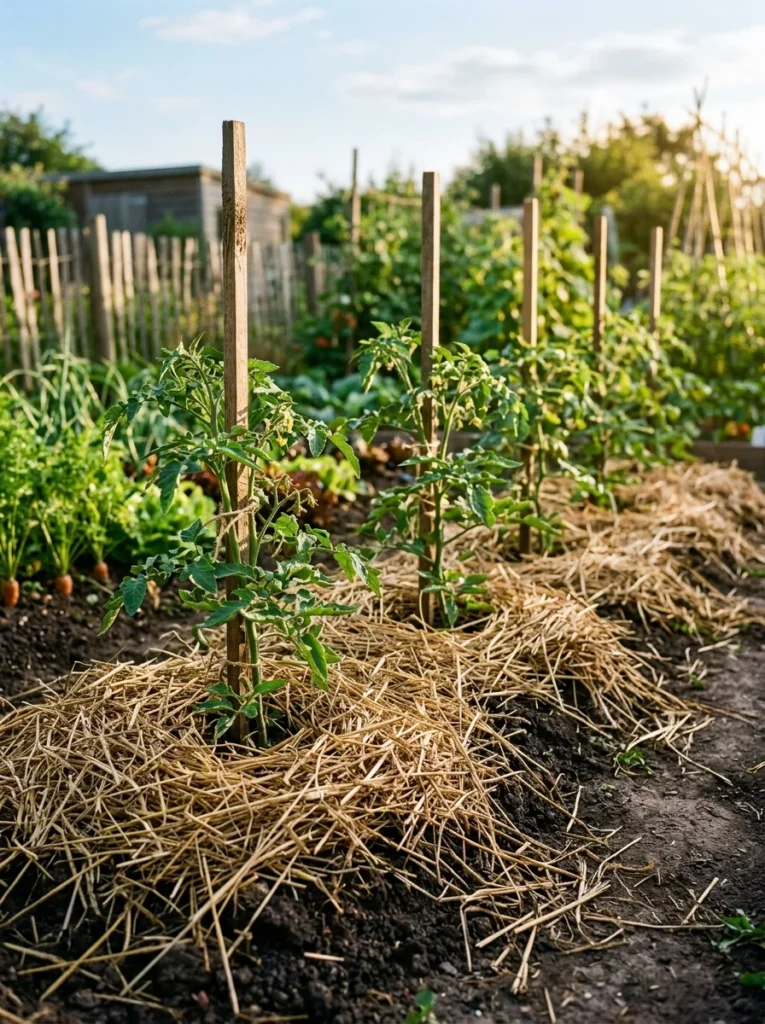
A 2 to 3 inch layer of mulch around the base of your plants locks in soil moisture, keeps weeds from competing for nutrients, and stops soil-borne fungal spores from splashing up onto lower leaves during watering. Straw, shredded leaves, or bagged mulch all work. It’s a five-minute job that quietly prevents a dozen headaches later.
6. Stake, Cage, or Trellis — Just Don’t Skip Support
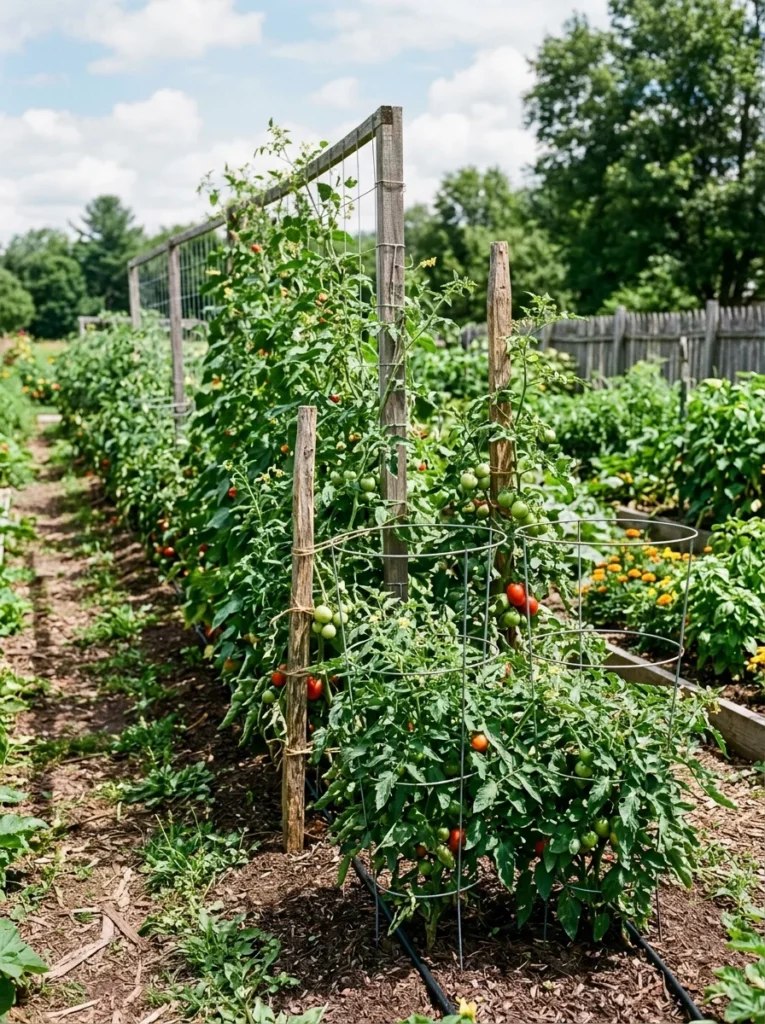
Tomato plants, especially indeterminate varieties, get heavy and floppy fast. Without support, vines sprawl on the ground, fruit rots in contact with damp soil, and disease spreads faster. Here’s how the main tomato support ideas stack up:
| Support Type | Best For | Pros | Cons |
|---|---|---|---|
| Tomato cages | Determinate/bushy varieties | Easy setup, minimal maintenance | Can tip over with heavy indeterminate vines |
| Stakes | Indeterminate, single-stem training | Cheap, space-efficient | Needs regular tying as the plant grows |
| Trellis kit | Tall indeterminate vines, raised beds | Maximizes vertical space, great airflow | More setup time and cost upfront |
Whichever you pick, soft garden twine is your best friend for tying stems without cutting into them as they thicken.
7. Prune With a Purpose, Not Just for Fun
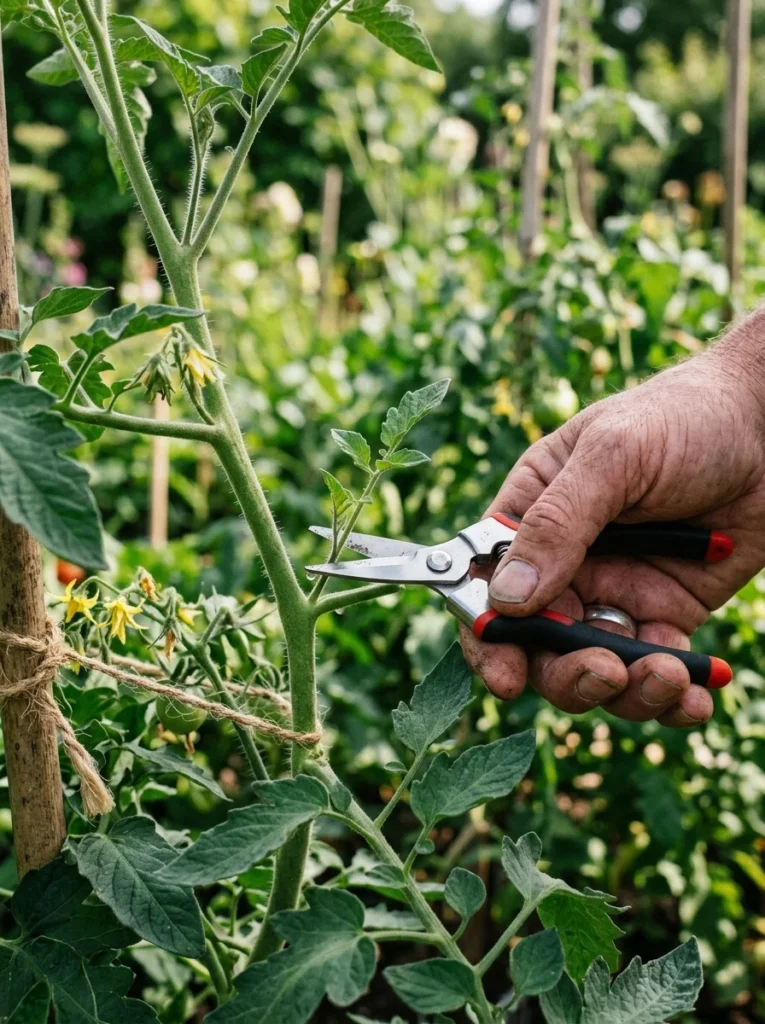
Should you prune tomato plants? For indeterminate varieties, yes — removing the small shoots (“suckers”) that grow in the joint between the main stem and a branch improves airflow and redirects energy into fruit instead of extra foliage. Determinate (bush) varieties need little to no pruning. A clean pair of pruning shears makes quick work of it and reduces the risk of spreading disease between cuts, which is one of those small tomato pruning tips that experienced growers swear by.
8. Feed Them the Right Way, at the Right Time
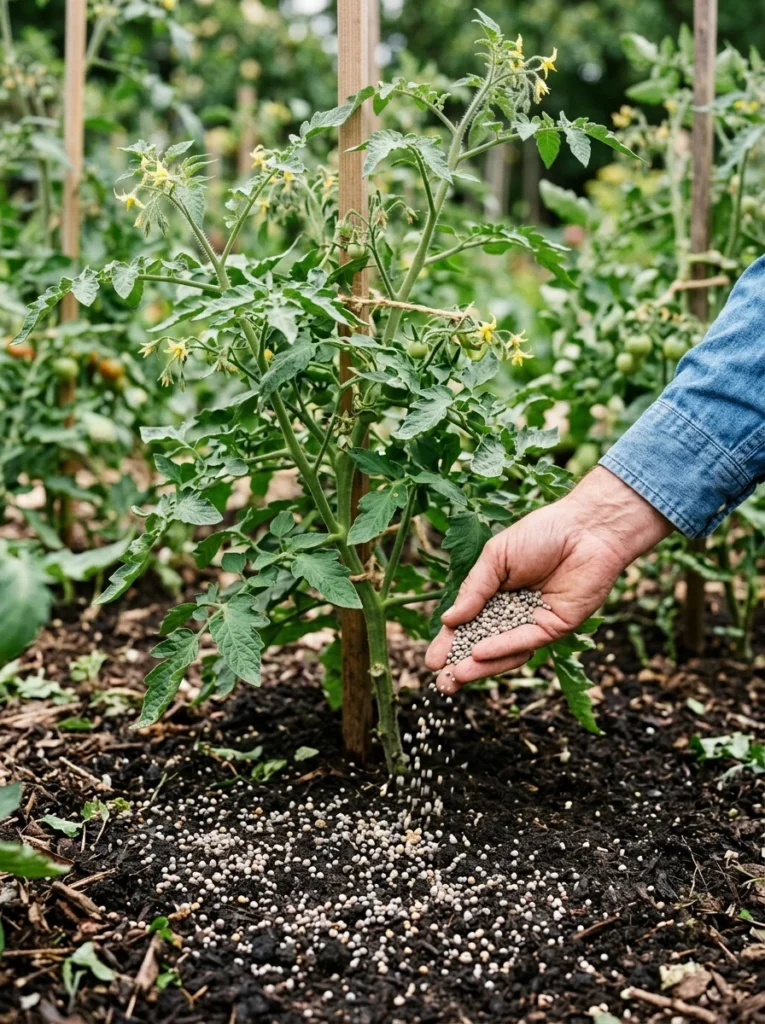
Tomatoes are heavy feeders. A balanced tomato fertilizer (something like 10-10-10, or a tomato-specific blend with extra phosphorus and potassium for fruiting) works well once flowering begins. Too much nitrogen early on gives you a jungle of leaves and disappointing fruit, so resist the urge to overdo it. If you’re leaning toward organic tomato growing, an organic fertilizer plus a steady supply of compost gets you most of the way there without synthetic inputs.
9. Grow Tomatoes in Pots If Space Is Tight
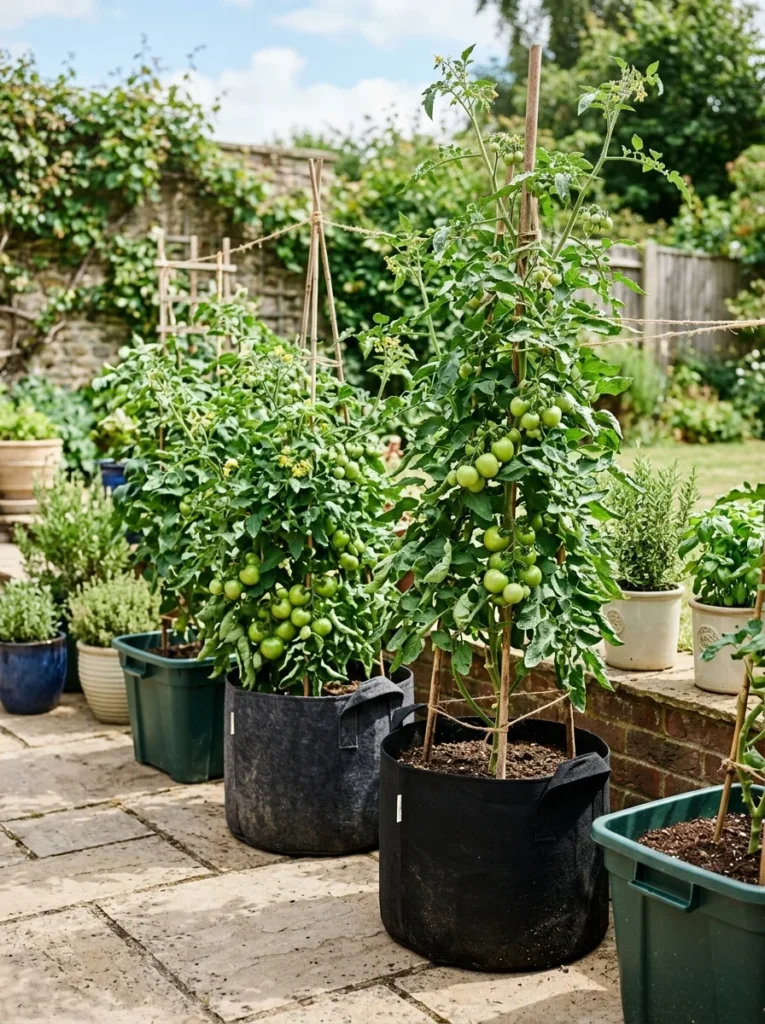
Yes, you absolutely can grow tomatoes in pots or containers — patio and dwarf varieties especially thrive this way. Go with at least a 5-gallon container (bigger is better for indeterminate types), use a quality potting mix rather than garden soil, and water more often since containers dry out faster than the ground. Self-watering containers are a genuine lifesaver here, especially during a heat wave when you can’t get to the garden twice a day. Tomato container growing is honestly one of the most forgiving ways to start if you’re new to this.
10. Get Ahead of Pests and Disease Instead of Reacting to Them
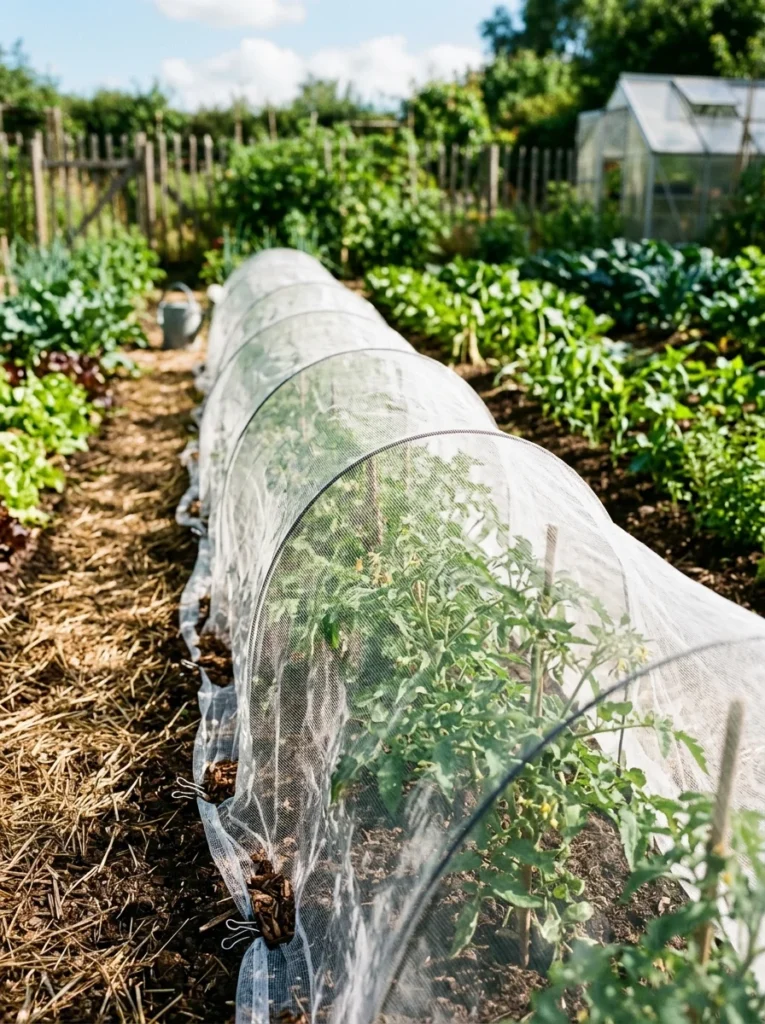
Good tomato disease prevention starts before problems show up: water at the soil line, mulch to stop soil splashback, space plants for airflow, and rotate where you plant tomatoes each year to avoid soil-borne fungal buildup. For tomato pest control, lightweight insect netting over young plants keeps hornworms and aphids from setting up shop, and a daily five-second leaf check catches most issues while they’re still manageable.
11. Solve the Curling Leaf Mystery
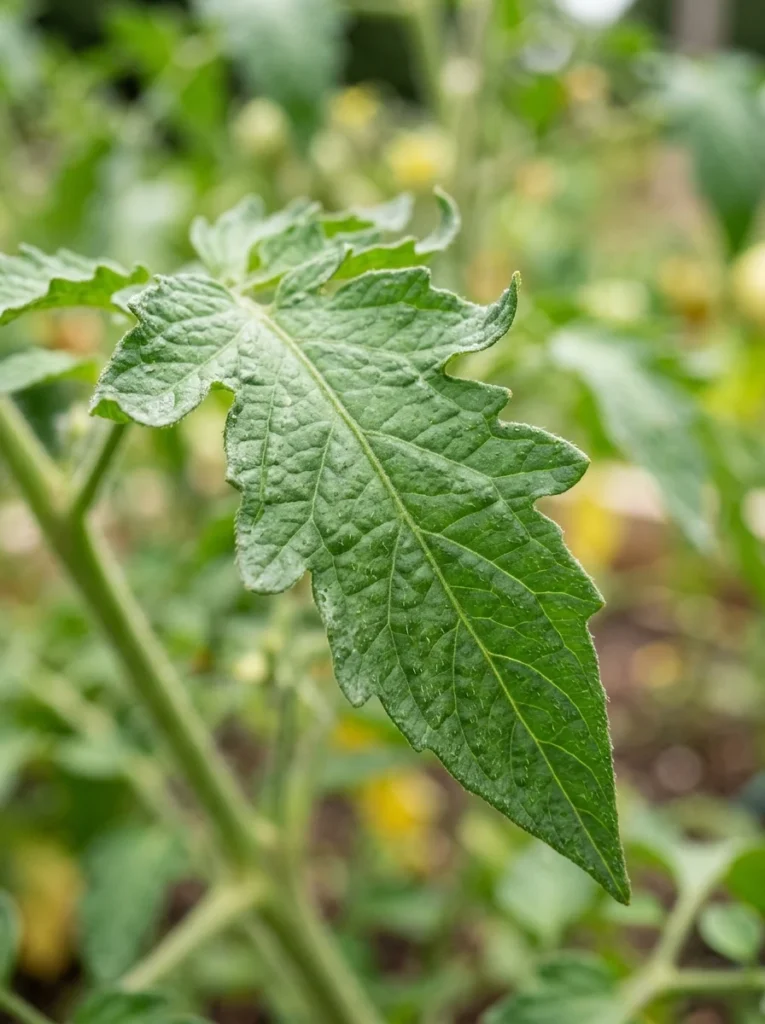
Curling tomato leaves are usually one of a few things: heat stress, inconsistent watering, aggressive pruning, or occasionally a viral infection if curling comes with discoloration or stunted growth. In most cases — especially upward curling on otherwise healthy-looking leaves — it’s simply the plant’s way of conserving moisture during hot afternoons, and it’s not something to panic about. Keep watering consistent and it usually sorts itself out.
12. Stop Blossom End Rot Before It Starts
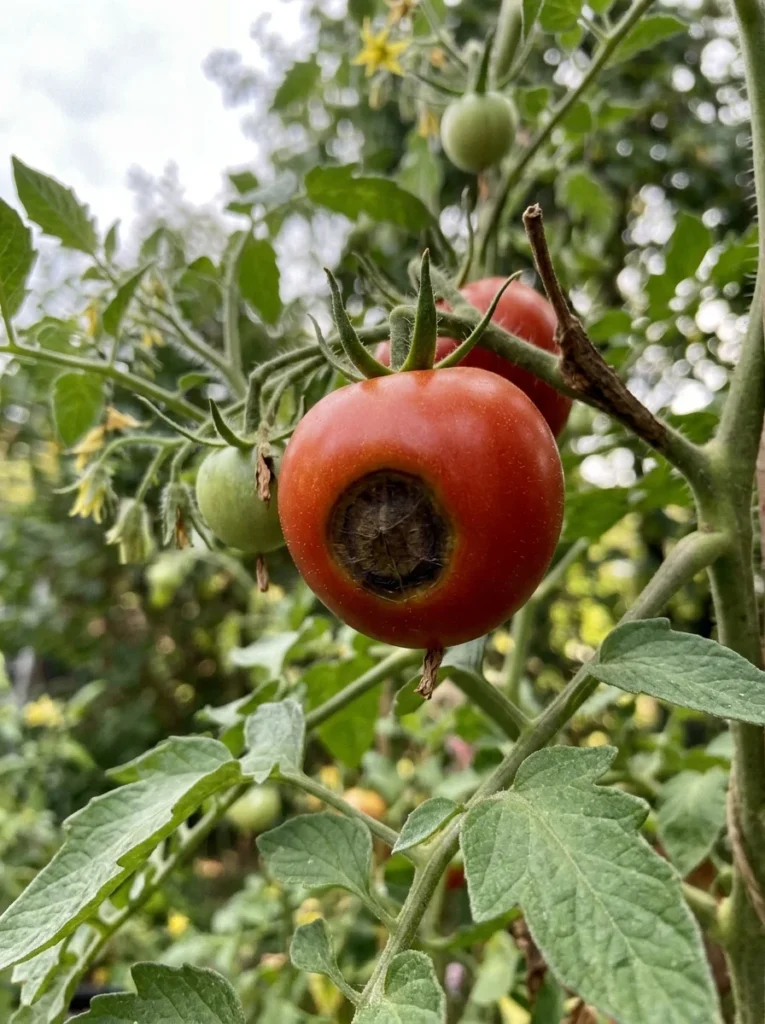
That dark, sunken patch on the bottom of an otherwise-perfect tomato is blossom end rot, and it’s caused by a calcium shortage during fruit development — usually triggered by irregular watering rather than an actual lack of calcium in the soil. According to University of Maryland Extension guidance on the issue, maintaining steady soil moisture and keeping soil pH in the right range does more to prevent it than calcium sprays ever will. Mulching and a consistent watering schedule (see tip 4) are your best defense.
13. Understand Why Your Tomatoes Are Splitting
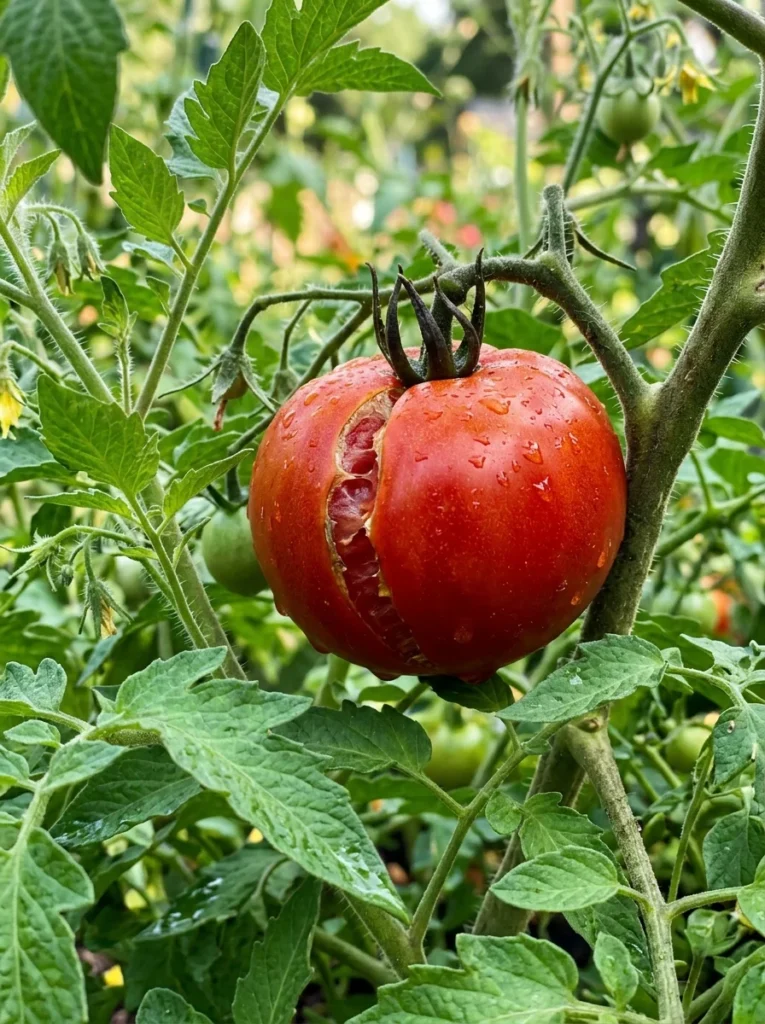
Splitting happens when the inside of the fruit grows faster than the skin can stretch, usually after heavy rain or a big watering session following a dry spell. The fix is the same one you keep seeing in this list: consistent, even moisture. Mulch helps buffer those swings too.
14. Harvest at the Right Moment
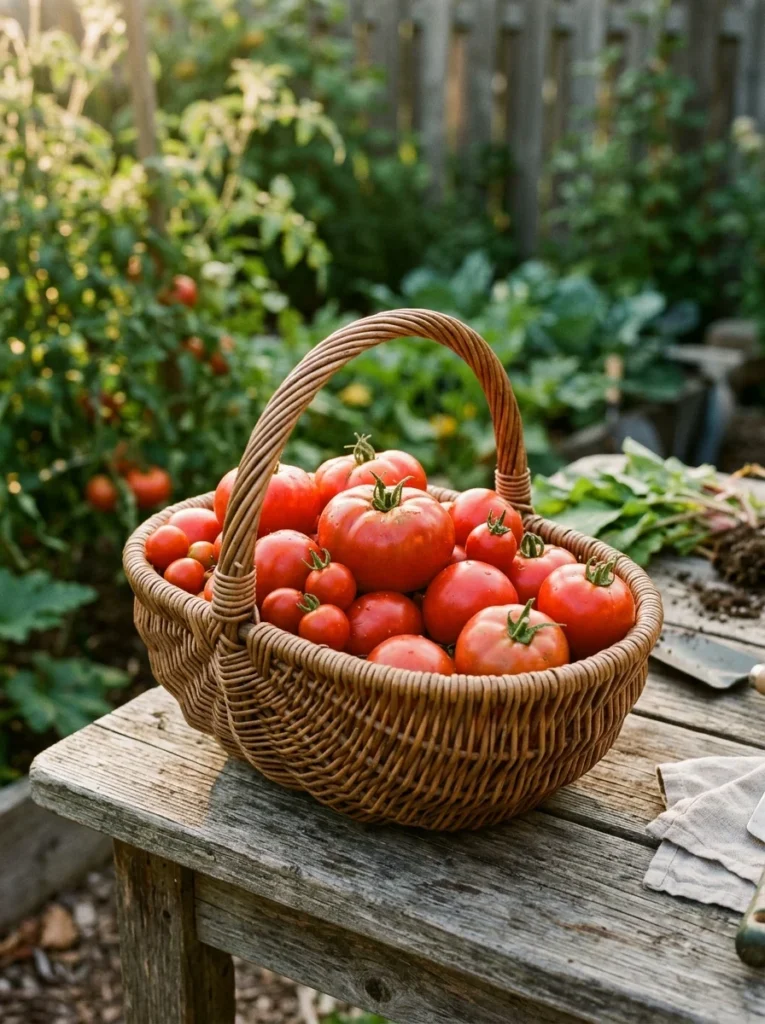
For the best flavor, pick tomatoes when they’re fully colored and give slightly under gentle pressure — not rock-hard, not mushy. If a frost or storm is coming, it’s fine to pick them slightly underripe and let them finish on a sunny windowsill. Good tomato harvest tips also include picking regularly; the more you harvest, the more the plant keeps producing.
15. Pick Varieties That Actually Suit Your Garden
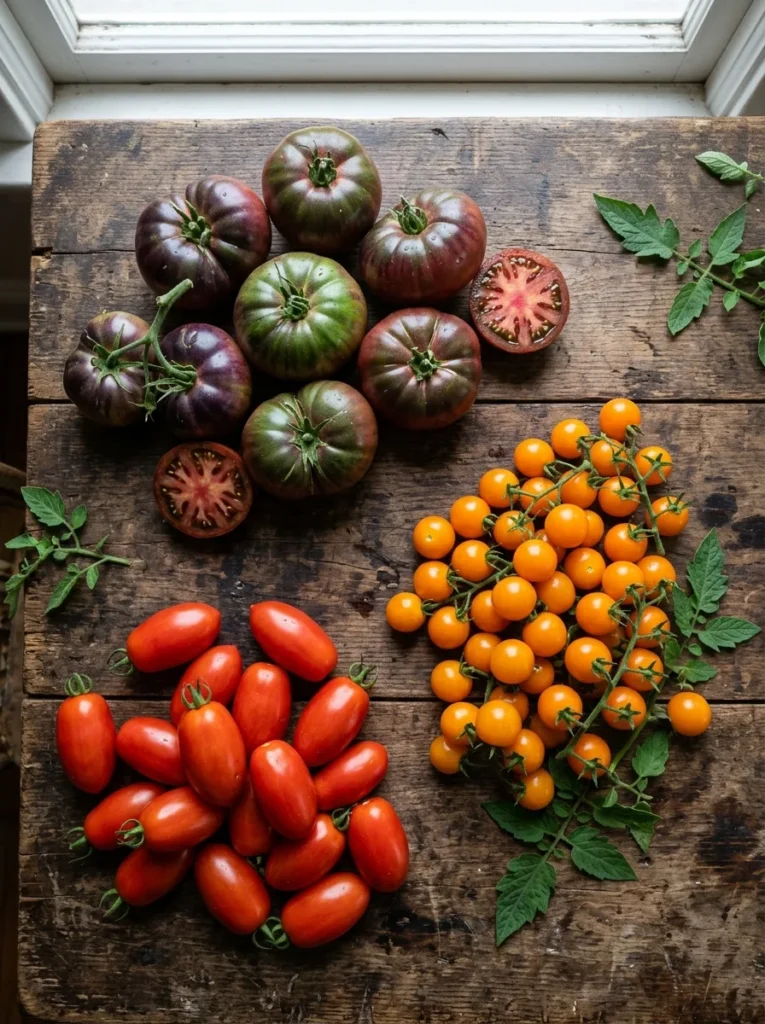
Not every tomato is built for every backyard. Here’s a quick cheat sheet of reliable choices for home gardens:
| Variety | Type | Best For |
|---|---|---|
| Early Girl | Determinate | Short growing seasons, early harvest |
| Celebrity | Semi-determinate | Beginners, disease resistance |
| Cherokee Purple | Indeterminate (heirloom) | Flavor-focused growers |
| Sun Gold | Indeterminate cherry | Containers, snacking tomatoes |
| Roma | Determinate paste | Sauces and canning |
If digging into varieties has you in a gardening mood, tomatoes pair beautifully with a strawberry bed nearby — our how to grow strawberries guide is a natural next stop.
Final Thoughts
Growing great tomatoes really comes down to a handful of habits: plenty of sun, deep and steady watering, decent soil, sturdy support, and a little vigilance against pests and disease. None of it requires a green thumb you were born with — just consistency, and maybe a slightly unreasonable level of enthusiasm about a vegetable that’s technically a fruit.
Got a tomato problem this list didn’t cover, or a harvest photo you’re proud of? Drop it in the comments — I read every one, and yes, I will be a little jealous if your tomatoes look better than mine.