

Low maintenance. Forgiving. Drop-dead gorgeous. You don’t need a green thumb — just the right plants.
Let me be real with you: I’ve killed a cactus before. A cactus. If that sounds familiar, this list is for you.
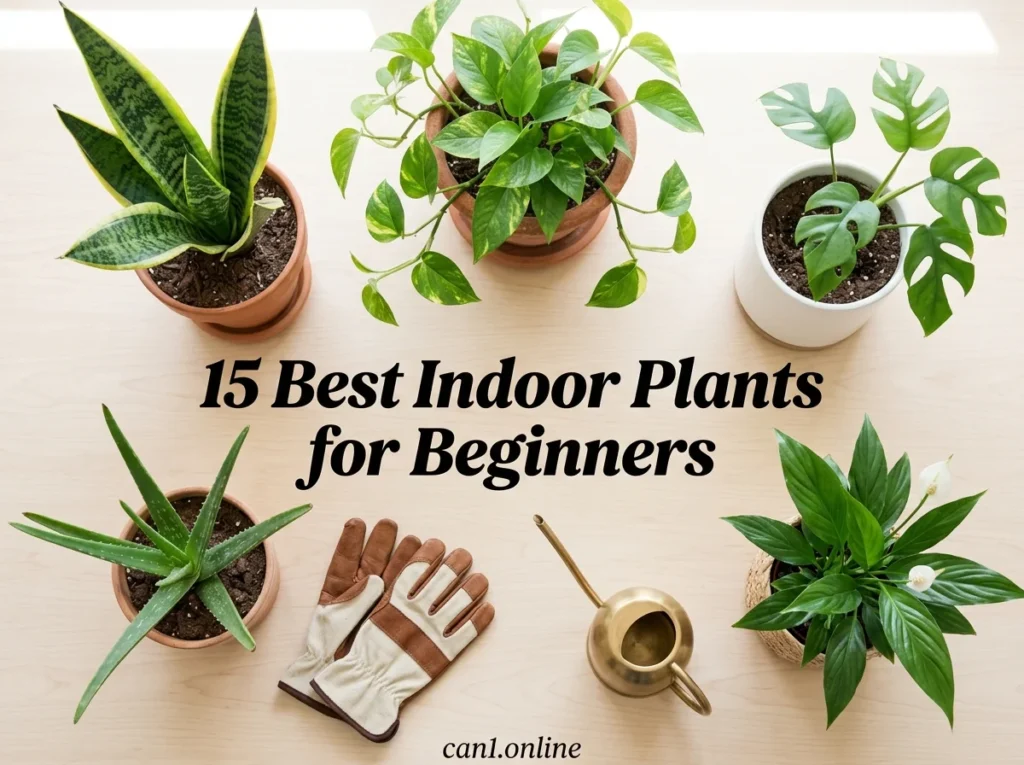
The good news? There are indoor plants out there that practically beg to be neglected. Plants so tough they’ll survive your vacation, your forgetfulness, and that one corner of your apartment that gets approximately zero natural light. Whether you’re furnishing a cozy studio, sprucing up your office desk, or just trying to make your living room feel more alive — these best indoor plants for beginners will not let you down.
Here are 15 beginner-friendly houseplants that are low-maintenance, beautiful, and (most importantly) very hard to kill.
Table of Contents
1. Snake Plant
💪 Survival Rating: 10/10
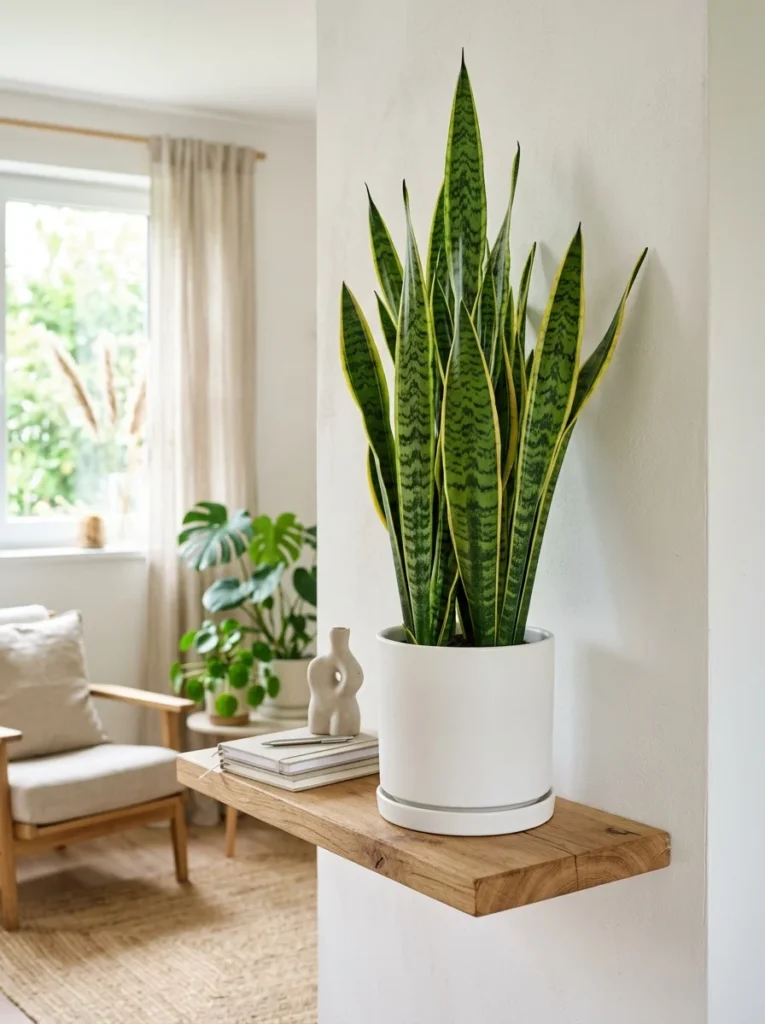
The snake plant is basically the cockroach of the plant world — and I mean that as the highest compliment. Also known as Sansevieria or mother-in-law’s tongue, this striking plant with its tall, sword-like leaves will survive low light, drought, and complete neglect like a champ.
- Light: Low to bright indirect light — genuinely one of the best low-light indoor plants around
- Watering: Every 2–6 weeks depending on season
- Bonus: NASA has listed it as an air-purifying plant
If you’re looking for hard-to-kill houseplants, the snake plant is your starting point. It also looks incredibly sleek in modern interiors.
2. Pothos
💪 Survival Rating: 10/10
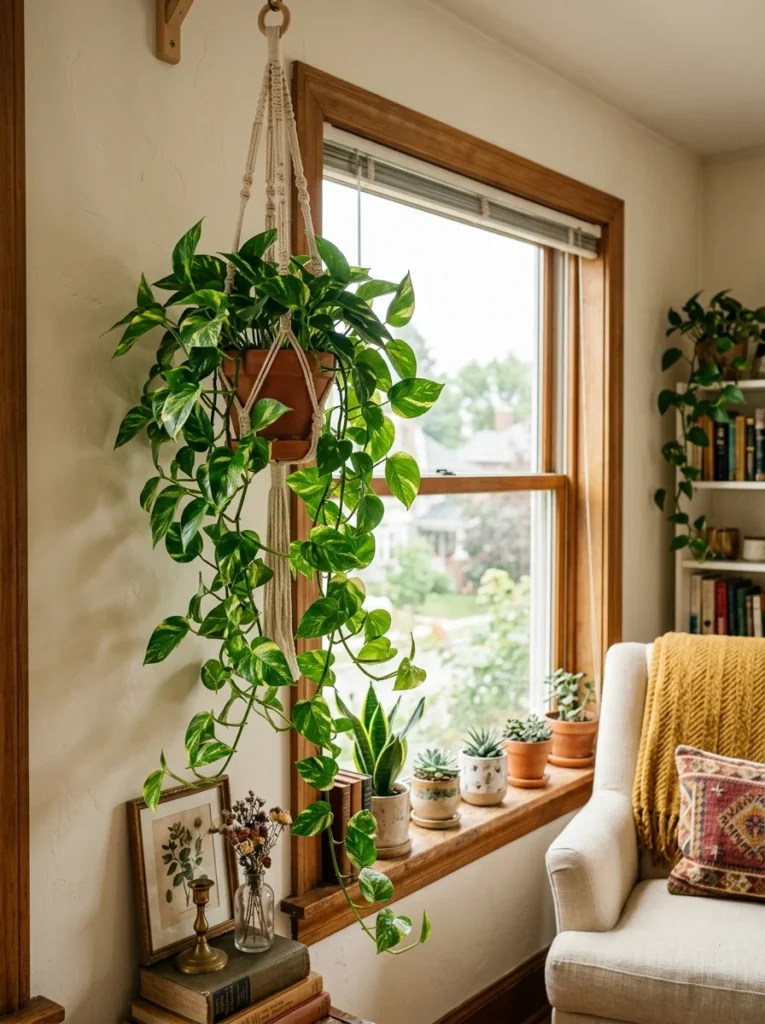
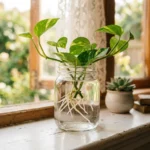
Pothos is the plant equivalent of that one friend who’s great at everything. Fast-growing, adaptable, trailing, tolerant of neglect — it’s the gold standard of easy houseplants. You can grow it in water, soil, a hanging basket, or just draped along a shelf. It genuinely does not care.
- Light: Low to bright indirect light
- Watering: When the top inch of soil is dry (roughly every 1–2 weeks)
- Bonus: One of the best easy hanging plants for apartments
The golden pothos (yellow-green variegation) is the most popular, but marble queen and neon pothos are equally low-maintenance and look absolutely stunning.
3. ZZ Plant
💪 Survival Rating: 9/10
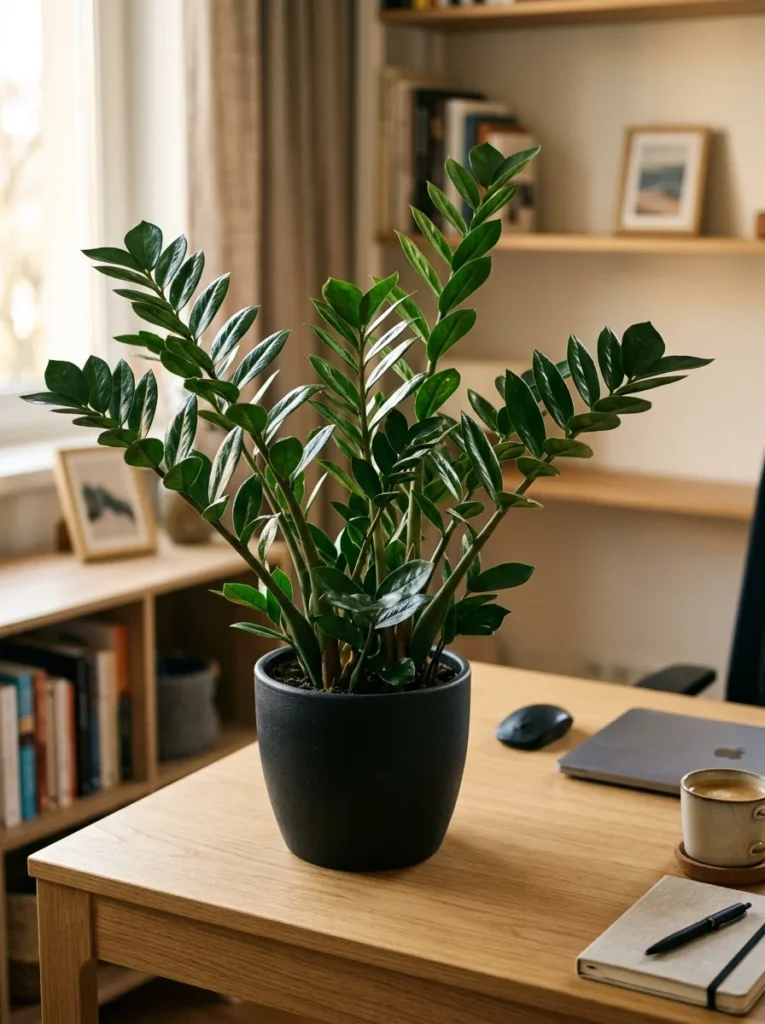
If you have a habit of forgetting to water your plants (no judgment — I do it too), the ZZ plant was made for you. Its thick rhizomes store water underground, meaning it can go weeks without a drink and still look fantastic. Its waxy, deep green leaves are so shiny they almost look fake.
- Light: Low to moderate indirect light — perfect for houseplants for dark rooms
- Watering: Every 2–4 weeks; let it dry out completely between waterings
- Bonus: Extremely tolerant of neglect and fluctuating conditions
The ZZ plant is one of the best indoor plants for offices where lighting is often poor and watering schedules are, let’s say, inconsistent.
🛒 a ZZ plant listing here. Also a good spot to recommend a moisture meter for beginners who want to stop guessing when to water.
4. Spider Plant
💪 Survival Rating: 9/10
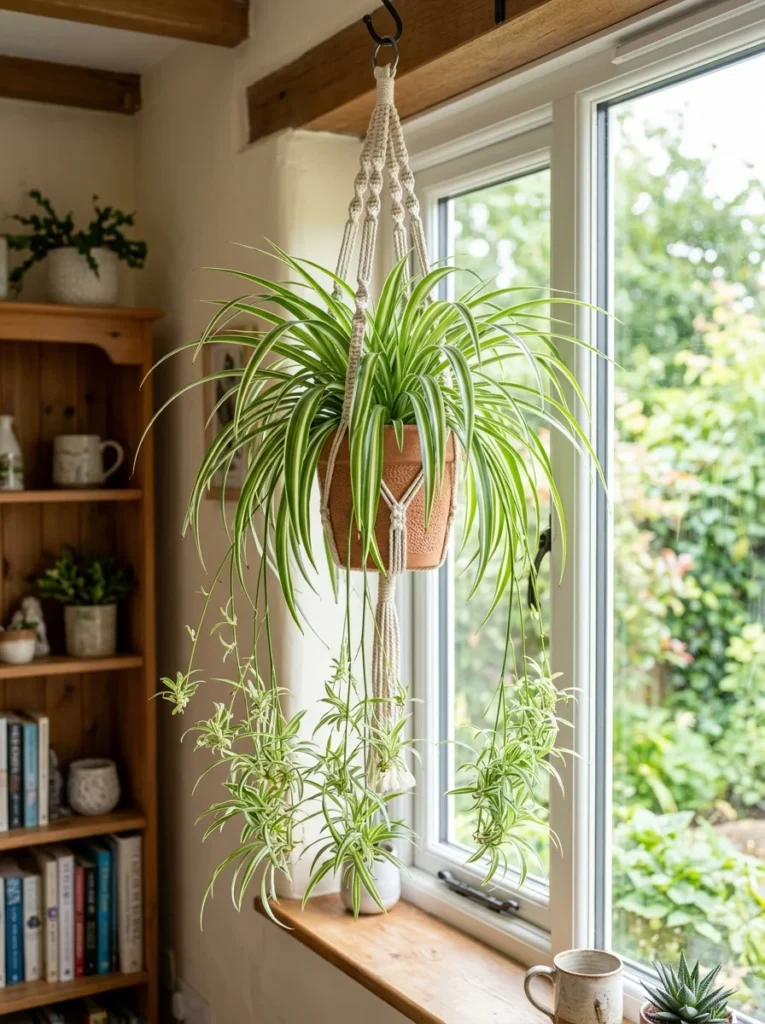
Spider plants are the gift that keeps on giving — literally. They produce little offshoots called “spiderettes” that you can snip off and propagate into new plants. They’re fast-growing, adaptable, and one of the most pet-safe indoor plants on this list, which is a huge deal if you have curious cats or dogs at home.
- Light: Bright to moderate indirect light
- Watering: Every 1–2 weeks; allow topsoil to dry between waterings
- Bonus: Safe for pets and produces baby plants for free propagation
Spider plants thrive as easy hanging plants and look gorgeous with their arching, striped foliage cascading downward.
5. Peace Lily
💪 Survival Rating: 8/10
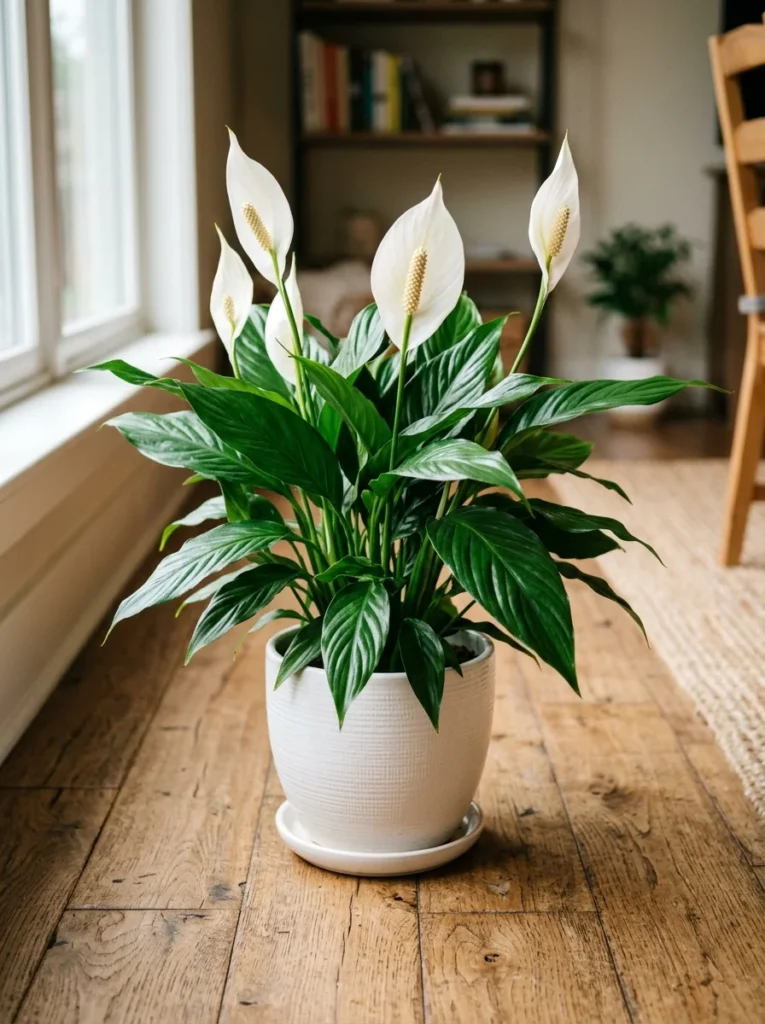
Want a plant that flowers without demanding anything crazy from you? The peace lily is your answer. It produces gorgeous white blooms, it tolerates low light better than most flowering plants, and it will actually tell you when it’s thirsty — its leaves droop dramatically, then perk right back up after you water it. Honestly, it communicates better than some people I know.
- Light: Low to moderate indirect light
- Watering: When leaves begin to droop slightly; every 1–2 weeks
- Bonus: One of the best NASA air-purifying plants; removes common toxins
One caveat: peace lilies are mildly toxic to cats and dogs, so place them out of reach if you have pets.
6. Philodendron
💪 Survival Rating: 9/10
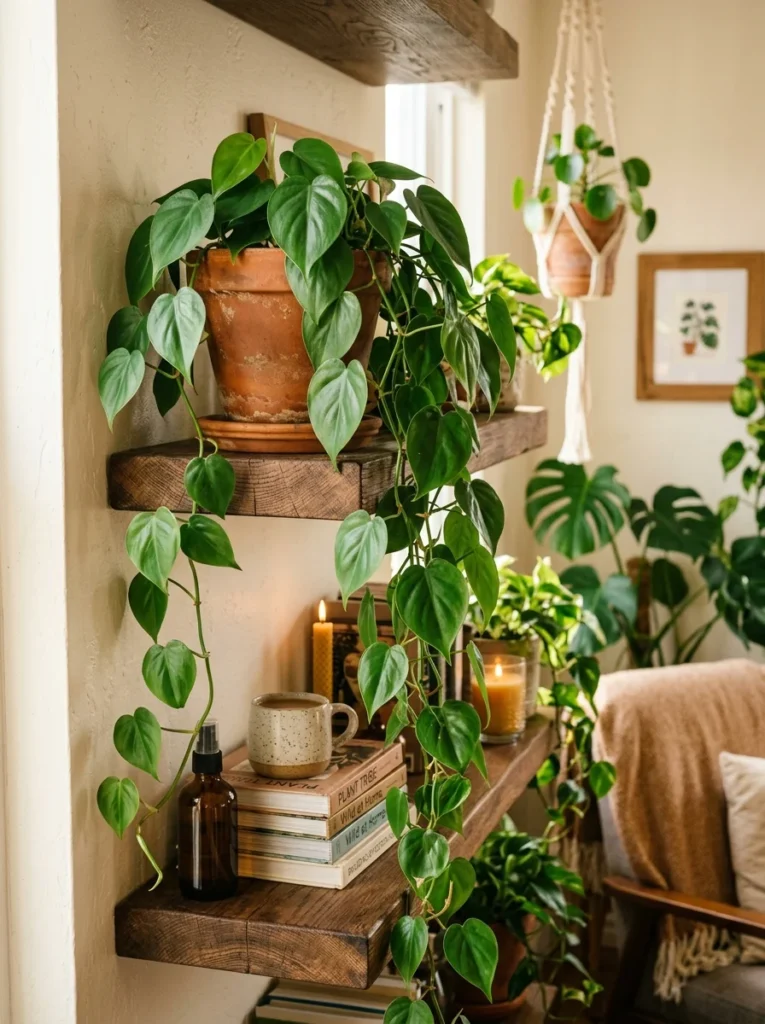
The heartleaf philodendron is often confused with pothos, and honestly, that’s because they’re equally amazing for beginners. Its heart-shaped, glossy leaves are iconic, and it vines and trails beautifully. It adapts to a wide range of light conditions and bounces back from occasional missed waterings without drama.
- Light: Moderate to bright indirect light
- Watering: Every 1–2 weeks when the top inch of soil feels dry
- Bonus: Grows quickly and is very easy to propagate
7. Aloe Vera
💪 Survival Rating: 9/10
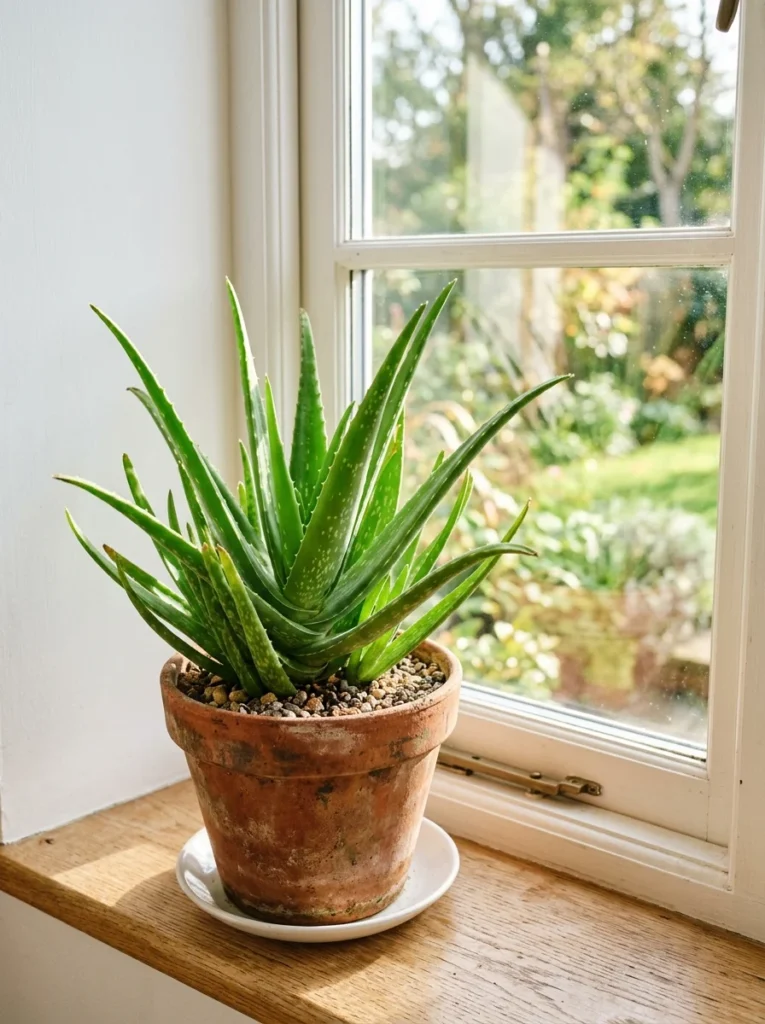
Aloe vera is equal parts houseplant and first-aid kit. A broken leaf = instant soothing gel for sunburns and skin irritation. Beyond its practical magic, it’s incredibly easy to grow — just give it a bright spot and water it infrequently, and it’ll thrive for years.
- Light: Bright direct or indirect sunlight (a south-facing windowsill is ideal)
- Watering: Every 3–4 weeks; one of the best indoor plants that need little water
- Bonus: Functional: the gel inside is used for skin care and minor burns
Over-watering is the #1 killer of aloe vera. When in doubt, don’t water.
8. Chinese Evergreen
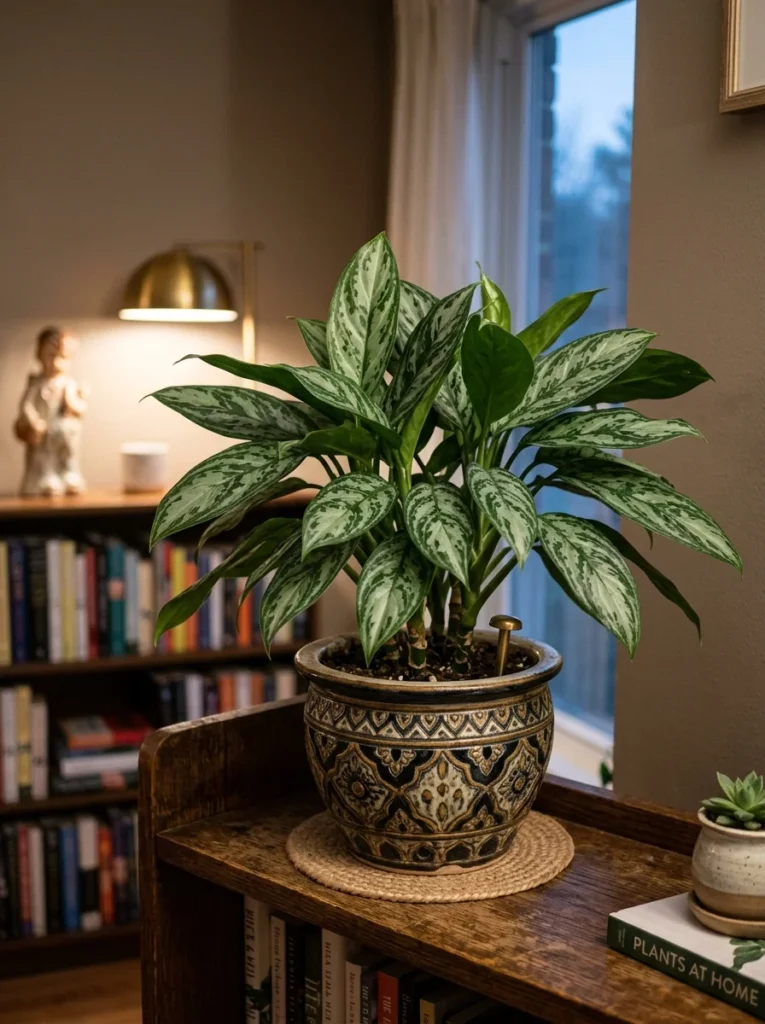
💪 Survival Rating: 9/10
The Chinese evergreen is criminally underrated. It comes in a stunning variety of patterns — silver, green, red, pink — and it’s one of the most tolerant plants around. Low light? Fine. Irregular watering? Sure. Not the most attentive plant parent? No problem. This plant gets it.
- Light: Low to moderate indirect light; one of the best easy plants for low light
- Watering: Every 1–2 weeks; allow the top layer to dry between waterings
- Bonus: Huge variety of colorful foliage options
9. Dracaena
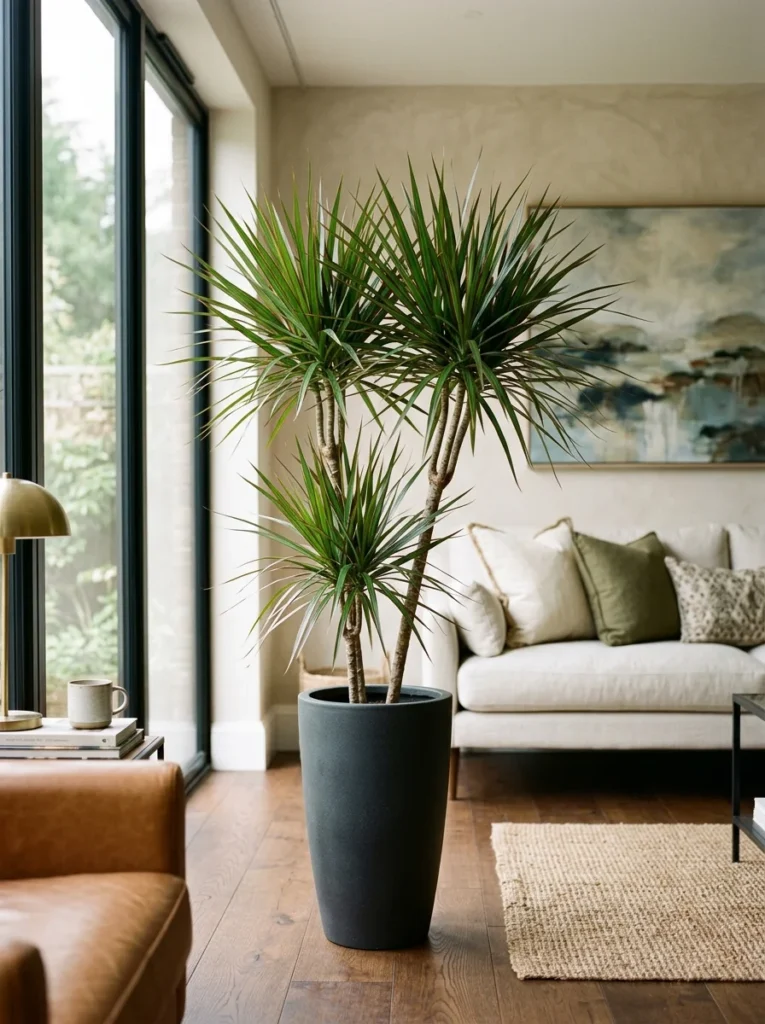
💪 Survival Rating: 8/10
Dracaena is your go-to for that tall, dramatic floor plant energy without the drama of actually keeping it alive. It grows slowly, handles neglect well, and comes in a variety of forms — from the thin, spiky marginata to the broader, more tropical fragrans. A solid choice for apartments and offices alike.
- Light: Moderate indirect light; tolerates low light
- Watering: Every 2 weeks; sensitive to fluoride, so use filtered water if possible
- Bonus: Makes a striking statement as a tall focal plant
10. Rubber Plant
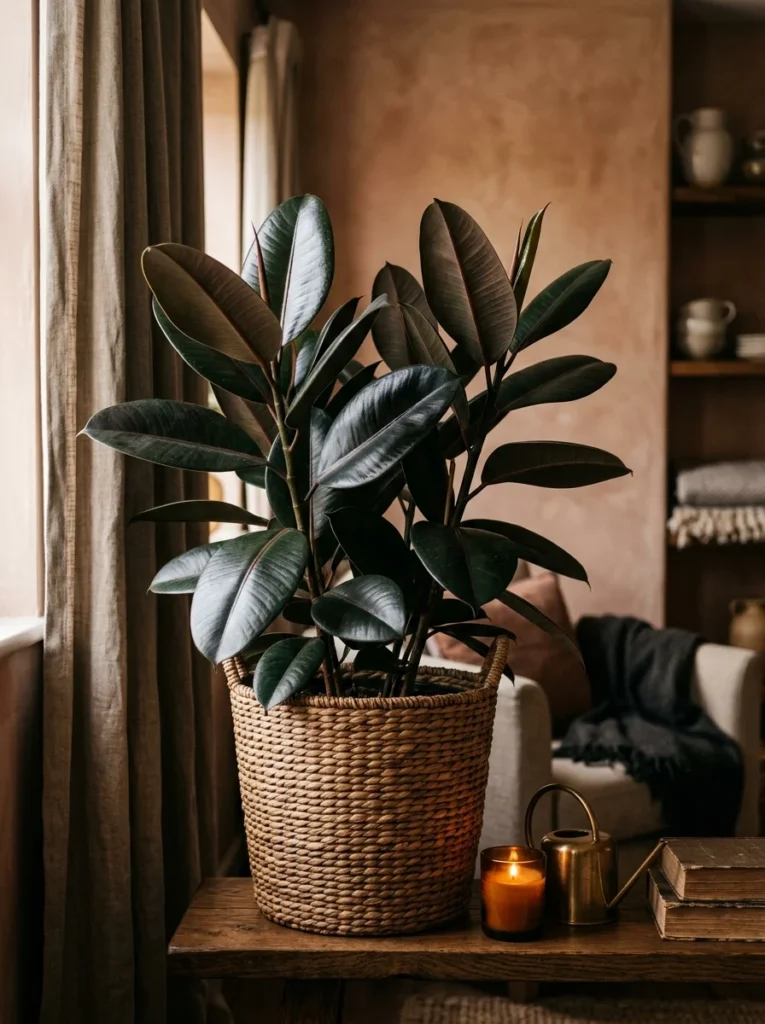
💪 Survival Rating: 8/10
The rubber plant is for those who want their apartment to look like it’s in an interior design magazine. Its large, glossy, deep-green-to-burgundy leaves make an instant statement. It’s sturdier than the finicky fiddle leaf fig (which gets all the Instagram love) and far more forgiving.
- Light: Bright indirect light preferred; adapts to moderate light
- Watering: Every 1–2 weeks; likes to dry out a bit between waterings
- Bonus: One of the best best starter plants for a visual impact
11. Monstera Deliciosa
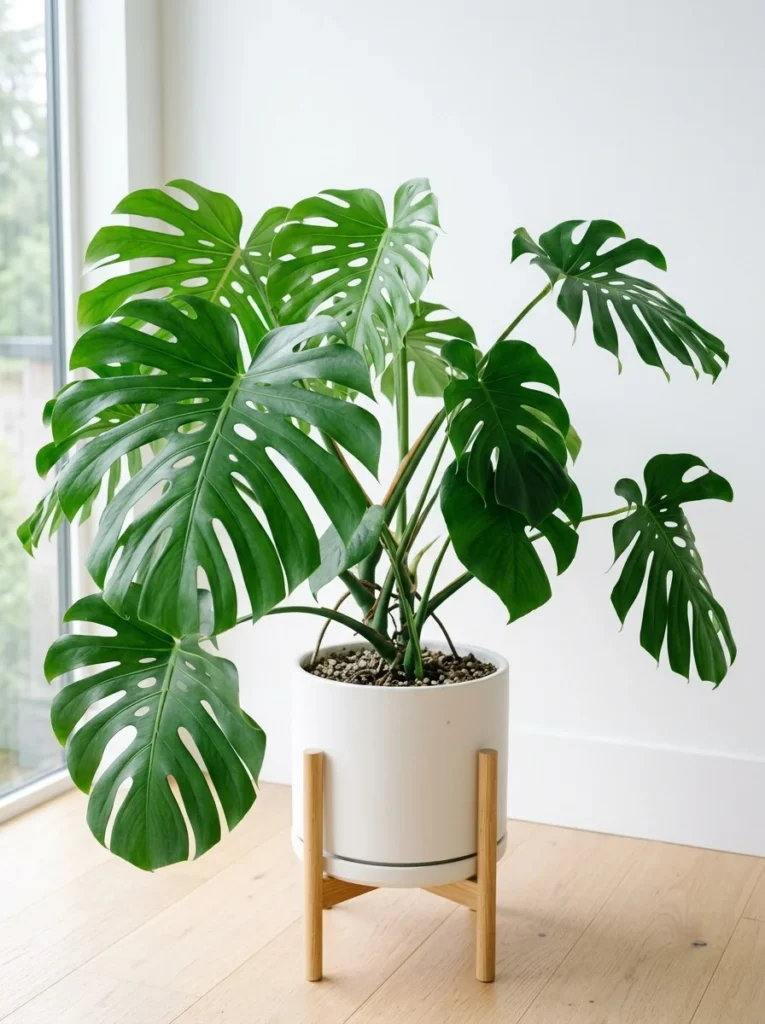
💪 Survival Rating: 8/10
You’ve seen it everywhere — on wallpaper, in cafés, on every plant influencer’s feed. The Monstera deliciosa is the it-plant, and honestly it earns its hype. Give it bright indirect light, water it every 1–2 weeks, and watch it slowly grow into those iconic split leaves that make even the plainest room look tropical and lush.
- Light: Bright indirect light for best leaf development
- Watering: Every 1–2 weeks; allow soil to dry partially between waterings
- Bonus: One of the most recognizable plants in modern home decor
If you love plants but also want your space to look effortlessly styled, the Monstera is the move. For tips on pairing it with garden companions outside, check out these 15 Butterfly Bush Landscaping Ideas That’ll Make Your Yard the Talk of the Neighborhood for outdoor inspiration while your Monstera thrives inside.
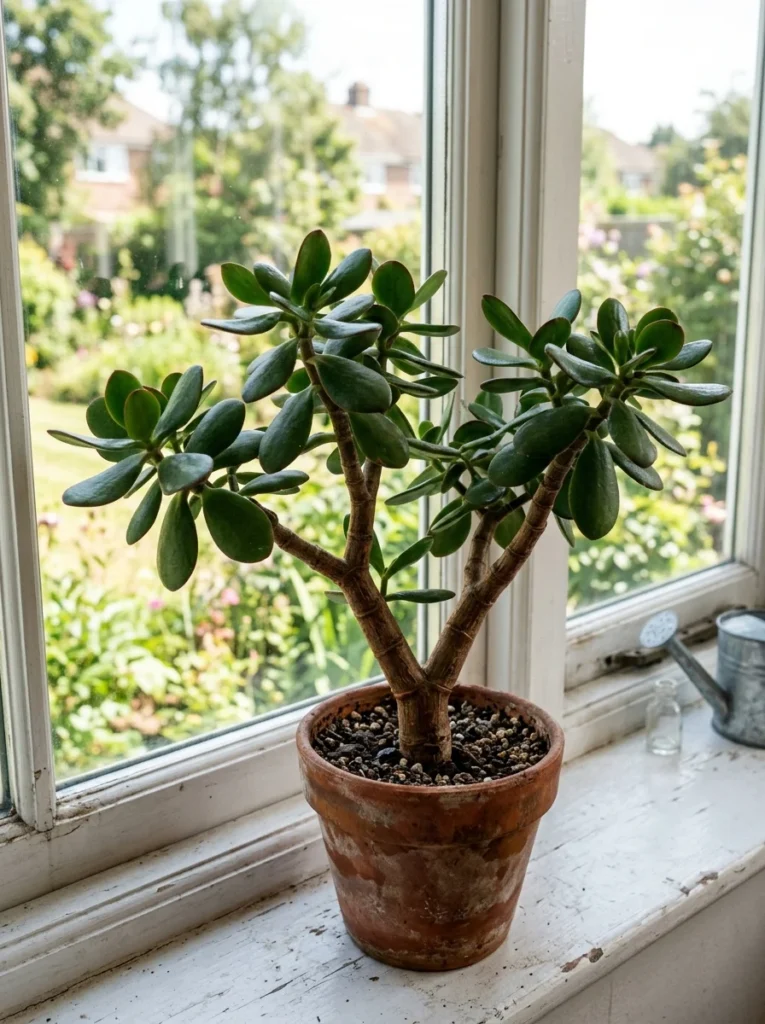
12. Jade Plant
💪 Survival Rating: 8/10
The jade plant is the succulent version of a bonsai — compact, sculptural, and if you take good care of it, it can live for decades. Seriously, jade plants are often passed down through families. They need bright light and very infrequent watering, making them ideal for people who tend to over-think and under-water.
- Light: Bright indirect to direct sunlight; perfect for south-facing windowsills
- Watering: Every 2–3 weeks; let soil dry out completely between waterings
- Bonus: Very long-lived; can become a living heirloom
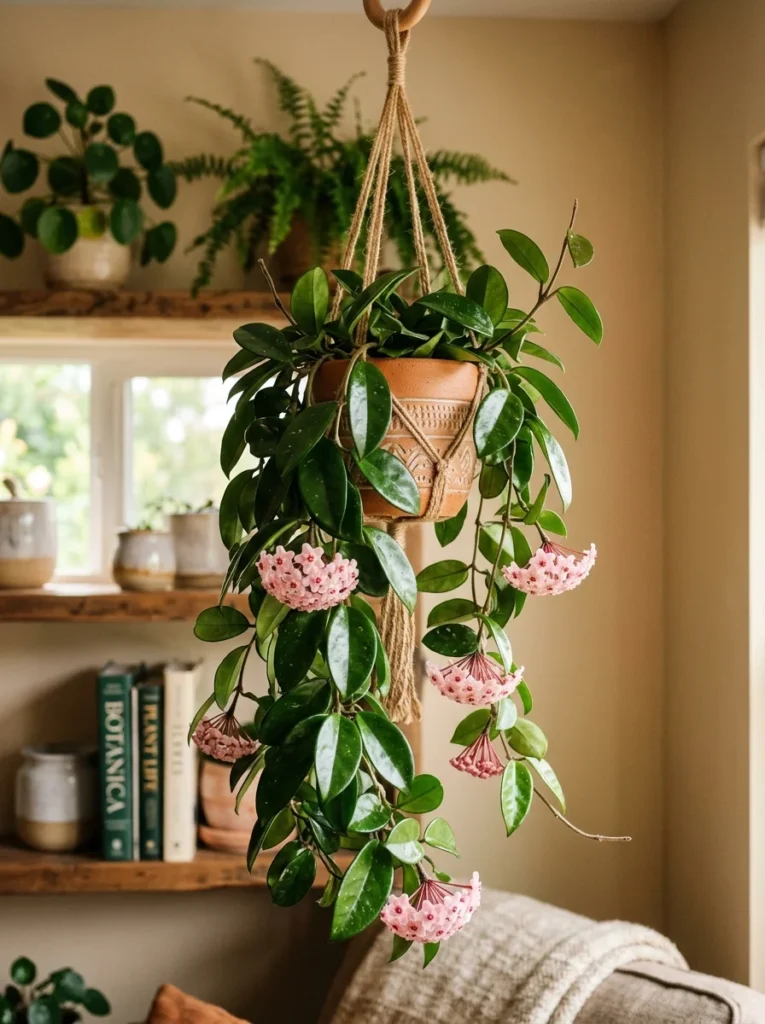
13. Hoya Carnosa
💪 Survival Rating: 8/10
Hoyas are having a major moment in the plant community, and for good reason. The Hoya carnosa (wax plant) has thick, almost artificial-looking leaves and produces clusters of tiny, star-shaped, sweetly scented flowers. It’s slow-growing, drought-tolerant, and extraordinarily long-lived. Some people have hoyas that are 30+ years old.
- Light: Bright indirect light
- Watering: Every 2–3 weeks; very drought-tolerant
- Bonus: Produces fragrant star-shaped flowers when happy
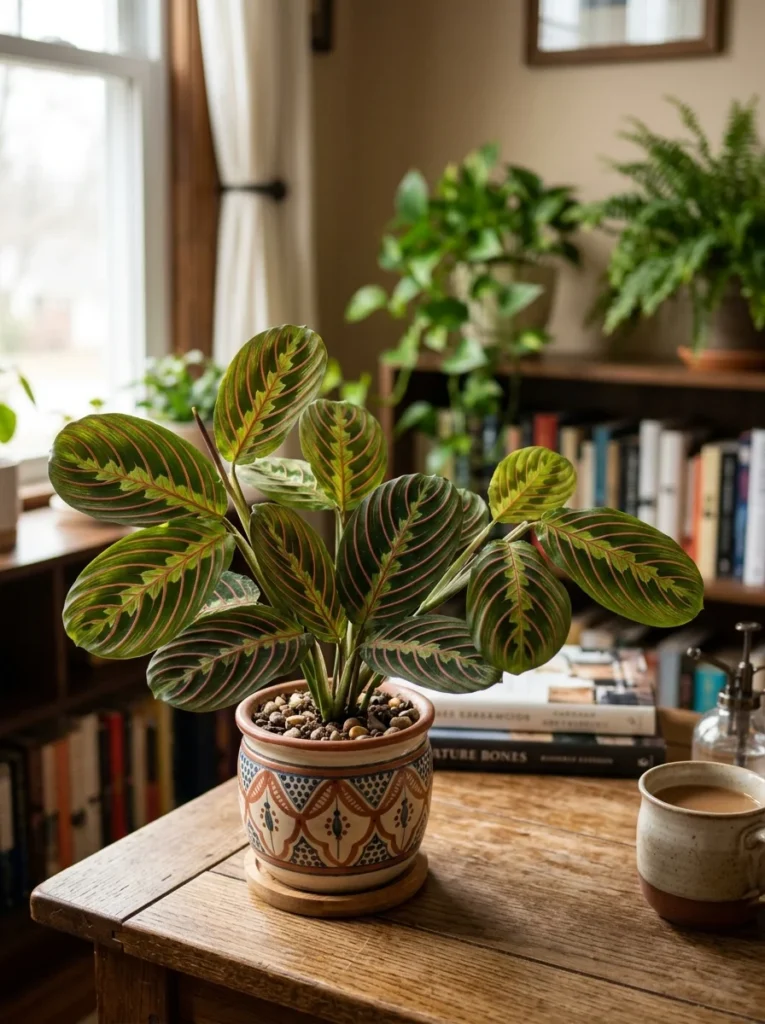
14. Prayer Plant
💪 Survival Rating: 7/10
The prayer plant is one of the most visually interesting plants on this list. Its leaves fold upward at night (like hands in prayer — hence the name) and open back up in the morning. The red veins on the deep green leaves are stunning. It does prefer consistent moisture and humidity, so it’s slightly more hands-on than others on this list — but still totally manageable for beginners.
- Light: Low to moderate indirect light; avoid direct sun
- Watering: Keep soil consistently moist; every 5–7 days
- Bonus: The leaf movement (nyctinasty) is genuinely fascinating to watch
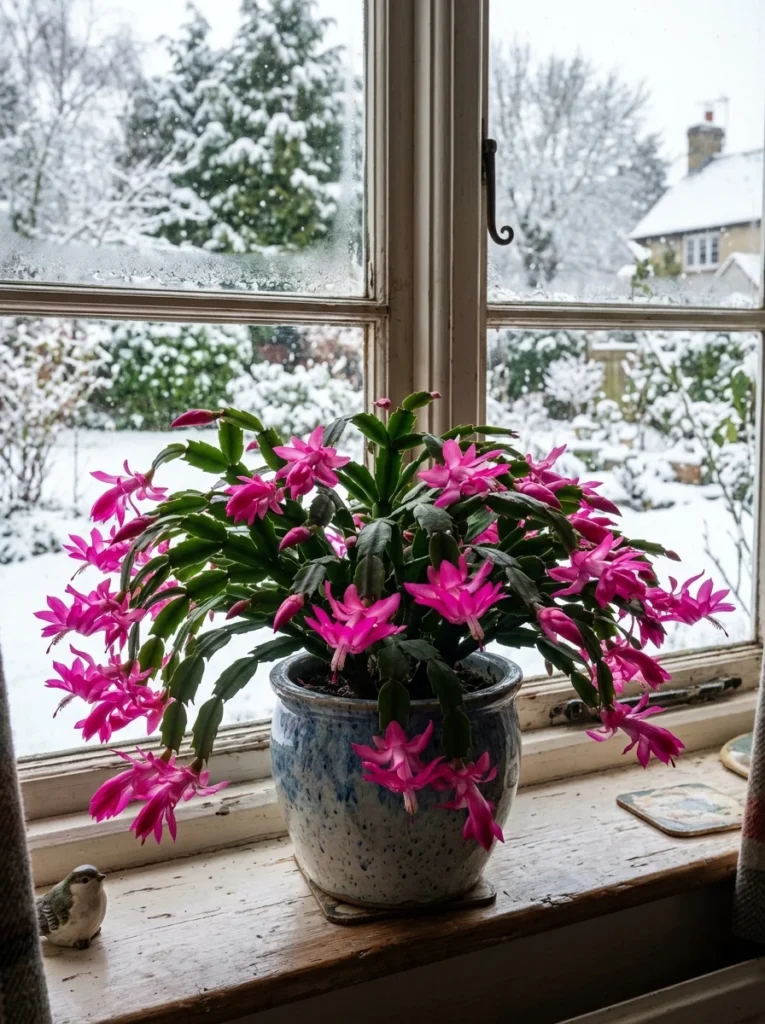
15. Christmas Cactus
💪 Survival Rating: 8/10
Every November or December, Christmas cacti suddenly start showing up in garden centers and grocery stores — and there’s a reason people keep buying them. They’re one of the most rewarding flowering houseplants out there. Give them cooler nights and slightly reduced watering in fall, and they’ll reward you with a burst of vivid blooms right when the days get short and gray.
- Light: Bright indirect light; needs longer nights to trigger blooming
- Watering: Every 1–2 weeks; reduce slightly in fall to trigger flowering
- Bonus: Long-lived; blooms annually with minimal effort
Beginner Plant Care: Quick Reference Table
| Plant | Light Needs | Watering Frequency | Pet Safe? | Best For |
|---|---|---|---|---|
| Snake Plant | Low–Bright Indirect | Every 2–6 weeks | No | Low light spaces |
| Pothos | Low–Bright Indirect | Every 1–2 weeks | No | Trailing/hanging |
| ZZ Plant | Low–Moderate | Every 2–4 weeks | No | Offices/dark rooms |
| Spider Plant | Moderate–Bright | Every 1–2 weeks | Yes | Hanging baskets |
| Peace Lily | Low–Moderate | Every 1–2 weeks | No | Flowering low-light |
| Philodendron | Moderate–Bright | Every 1–2 weeks | No | Vining/trailing |
| Aloe Vera | Bright/Direct | Every 3–4 weeks | No | Sunny windowsills |
| Chinese Evergreen | Low–Moderate | Every 1–2 weeks | No | Low light decor |
| Dracaena | Moderate | Every 2 weeks | No | Tall statement plants |
| Rubber Plant | Bright Indirect | Every 1–2 weeks | No | Bold statement plant |
| Monstera | Bright Indirect | Every 1–2 weeks | No | Tropical statement |
| Jade Plant | Bright/Direct | Every 2–3 weeks | No | Compact sunny spots |
| Hoya Carnosa | Bright Indirect | Every 2–3 weeks | No | Flowering vines |
| Prayer Plant | Low–Moderate | Every 5–7 days | Yes | Decorative foliage |
| Christmas Cactus | Bright Indirect | Every 1–2 weeks | Yes | Seasonal flowering |
FAQs: Beginner Plant Care
How often should beginner houseplants be watered?
Most beginner houseplants do best with watering every 1–2 weeks. The golden rule? Stick your finger an inch into the soil — if it’s dry, water; if it’s still moist, wait. Overwatering kills far more houseplants than underwatering does.
What indoor plants can survive low light?
Snake plant, ZZ plant, pothos, Chinese evergreen, peace lily, and dracaena are all excellent choices for low-light indoor plants. They’ve evolved to handle the dim conditions under forest canopies, so a north-facing apartment is no problem.
Which indoor plants are safe for pets?
Spider plants, prayer plants, and Christmas cacti are pet-safe. Many common houseplants (pothos, peace lily, monstera, ZZ plant) are toxic to cats and dogs — always check the ASPCA plant toxicity database before bringing a new plant home if you have animals.
Do beginner houseplants need fertilizer?
Not aggressively. A balanced liquid fertilizer diluted to half-strength, applied monthly during spring and summer, is more than enough for most beginner plants. Skip fertilizing in fall and winter when plant growth naturally slows.
How do I know if my indoor plant is getting too much water?
Yellow leaves, mushy stems, and soil that stays wet for longer than a week are classic signs of overwatering. If the roots smell bad when you unpot the plant, you’ve likely got root rot — cut away the rotted roots, let them air dry, and repot in fresh, dry soil.
What soil should I use for beginner houseplants?
A standard all-purpose potting mix works for most tropical houseplants. For succulents and cacti (like aloe vera or jade plant), use a well-draining cactus/succulent mix or add perlite to your regular mix. If you’re growing strawberries alongside your indoor plants, this complete guide on how to grow strawberries is a great companion resource for branching into outdoor edibles.
You don’t need to be a seasoned gardener to have a home full of thriving, beautiful plants. Start with two or three from this list — maybe a snake plant for that low-light corner, a pothos to trail from a shelf, and an aloe vera for the sunny windowsill — and see how you feel. Plants are weirdly good for your mental health. Studies back this up. Something about nurturing a living thing, watching new leaves unfurl, realizing you didn’t kill it this time…
It changes you.
Start small, choose forgiving plants, and build from there. And if you do kill one? That’s just tuition. Every plant parent has lost a few.
Have a favorite beginner plant that didn’t make our list? Drop it in the comments — we’d love to hear what’s thriving in your space.





2 thoughts on “15 Best Indoor Plants for Beginners (That Are Actually Hard to Kill)”